Law & Justice
Delaware Court Grants Couple Ownership of Disputed Backyard After 20 Years of Use
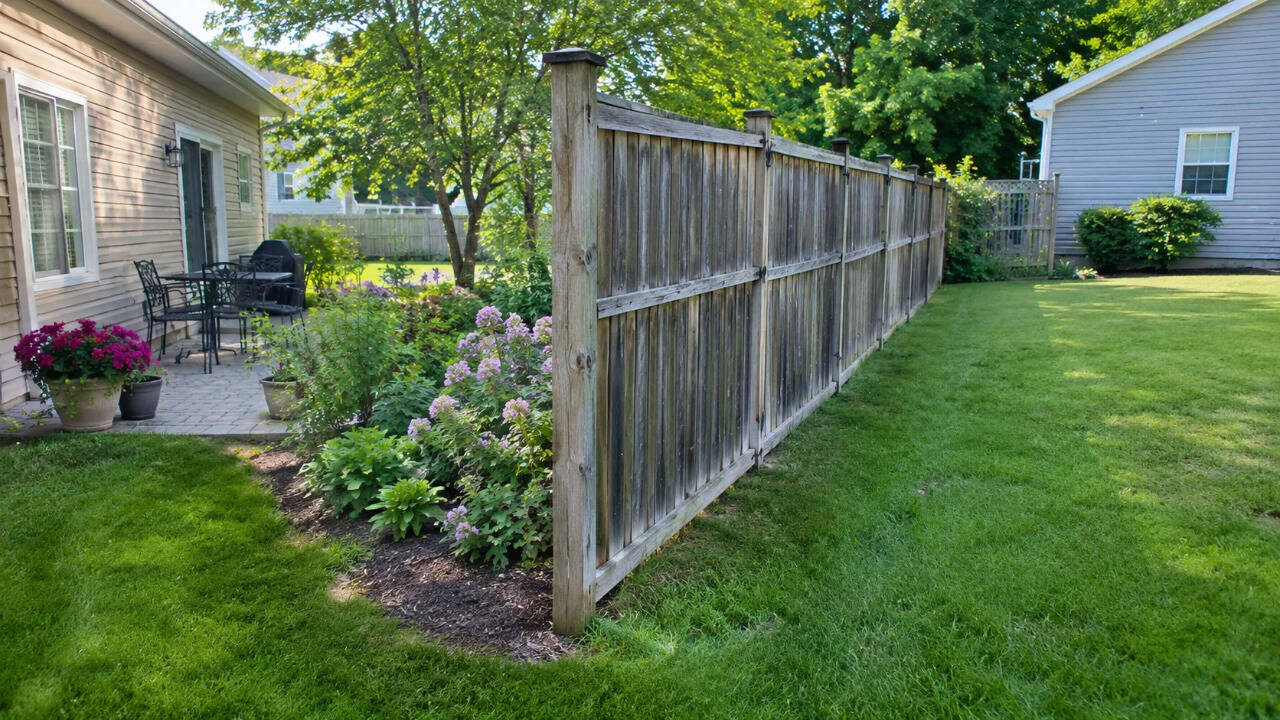
A Delaware couple, Joseph W. C. Murray Jr. and his wife Danielle, who have lived in Newark since 1998, won a court decision that gives them ownership of a strip of land beside their home that had been used by them for more than two decades. The dispute began when the Preradovic family—Rade, Zeljka, and their son Nikola—purchased the neighboring house in December 2022. A survey conducted before the sale revealed that the wooden fence the Murrays had installed in 1998 extended nearly nine feet onto the Preradovics’ property. The Preradovics offered the Murrays three options: pay $30,000 for the land, move the fence to the legal boundary, or remove it. The Murrays declined and instead proposed paying for a survey and boundary change or offering $3,000 for a permanent right to use the land. Negotiations failed, and the Preradovics later lowered their asking price to $10,000 and offered to rent the land for $1,500 a year. The Murrays considered the purchase but wanted the cost of changing the property documents to be shared. Unable to reach an agreement, the Murrays filed a claim with the Delaware Court of Chancery in June 2023.
The court examined the history of the land. The previous owners, the Burkerts, had lived there from 1980 to 1998 and had replaced an older fence with a wooden privacy fence. The raised planter was already present when the Murrays bought the property. Over the years the Murrays maintained the enclosed area, replacing fence sections in 2007 and 2022, and hiring a landscaper from 2007 to keep the yard tidy. The planter itself lay beyond the fence, a point that the court had to consider.
In October 2023 a Magistrate Judge ruled that the Murrays had established ownership of the land enclosed by their fence but did not extend that ownership to the raised planter or the narrow grass strip beside the sidewalk. The Preradovics rejected the decision, while the Murrays argued that the entire area belonged to them. The case was reviewed by Chancellor Kathaleen McCormick, who inspected the properties in August 2024. She noted that the planter outside the fence was connected to the retaining wall inside it and that both used the same drainage system.
The final ruling was based on adverse possession. Delaware law requires continuous, open, exclusive, and actual possession for at least 20 years without the legal owner’s permission. The court found that the Murrays met these conditions, as evidenced by records, photographs, and witness testimony. The court concluded that the fence, planter, and grass strip functioned as one part of the Murrays’ property and granted them ownership of the entire disputed strip. The decision was returned to the Magistrate to determine exact boundaries and issue a formal order of ownership.
Frequently asked questions
What was the basis for the court's decision?
The court applied Delaware's adverse possession law, requiring continuous, open, exclusive, and actual possession for at least 20 years. The Murrays met these conditions, so they were granted ownership of the disputed strip.
What options did the Preradovic family offer to the Murrays?
They offered the Murrays $30,000 to buy the land, to move the fence to the legal boundary, or to remove the fence. Later they lowered the price to $10,000 and offered to rent the land for $1,500 a year.