World
Unconnected Booth in Japan Offers Grief‑Seekers a Symbolic Voice
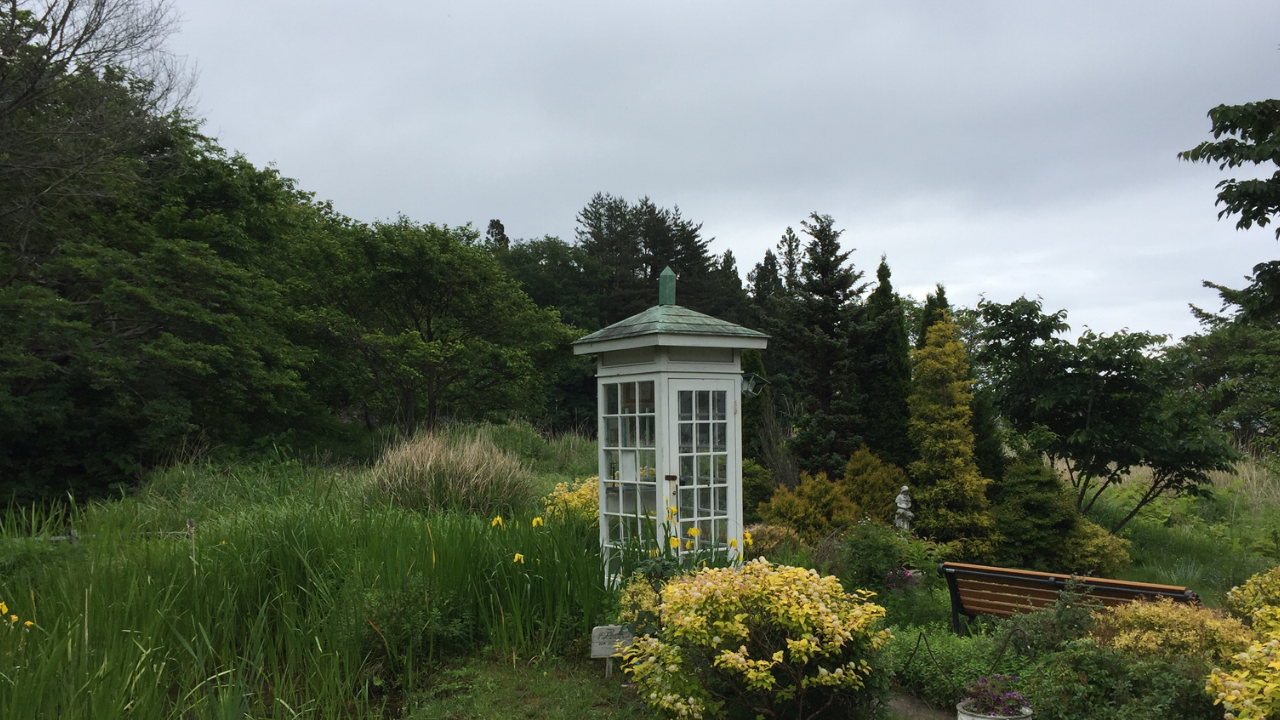
In a quiet garden in Otsuchi, Iwate Prefecture, a white telephone booth has become a place of comfort for people grieving lost loved ones. The booth, called the Wind Phone (Kaze no Denwa), contains an old rotary telephone that is deliberately disconnected, with no signal or line. Visitors pick up the receiver, dial the name of the person they wish to speak to, and talk as if the wind carries their words. A notebook inside the booth allows written messages.
The idea began in December 2010 when garden designer Itaru Sasaki lost his cousin to cancer. Sasaki placed the telephone in a white, glass‑panelled booth in his garden as a personal way to feel connected to his cousin. Three months later, the March 11, 2011 earthquake and tsunami devastated Otsuchi, killing about 1,400 residents. Sasaki opened the booth to the public, and people who had lost family members began using it to express grief, share updates, and say things they had never managed to say.
Since then, more than 30,000 people have visited Sasaki’s garden. The concept has spread worldwide; a July 2025 Yomiuri Shimbun report noted that wind phones now exist at over 400 sites in 17 countries, including the United States, Germany and South Africa. Some installations were created to help people cope with losses from COVID‑19, wars and other tragedies.
The Wind Phone does not claim to contact the dead; it offers a symbolic space for continuing a conversation that ended too soon. Psychologists note that maintaining an emotional connection can help people navigate loss, and the booth provides a physical place to say unsaid words.
The idea has also entered popular culture. In 2020, filmmaker Nobuhiro Suwa released Voices in the Wind (Kaze no Denwa), a film about a woman who loses her family in the 2011 tsunami and connects with the Wind Phone. The film received an honourable mention in the Generation section of the 2020 Berlin International Film Festival.
Frequently asked questions
What is the Wind Phone and how does it function?
The Wind Phone is a white telephone booth in Otsuchi, Japan that contains a disconnected rotary telephone. Visitors pick up the receiver, dial the name of a lost loved one, and speak as if the wind carries their words; a notebook inside allows written messages.
Who started the Wind Phone and what inspired it?
Itaru Sasaki, a garden designer, started the Wind Phone in December 2010 after his cousin died of cancer; he placed the telephone in a white, glass‑panelled booth in his garden as a personal way to feel connected to his cousin.
How many Wind Phone sites exist worldwide and in which countries?
By July 2025, there were over 400 Wind Phone sites in 17 countries, including the United States, Germany, and South Africa.