World
BRICS Parliamentary Forum in Delhi Ends with Call for UN Security Council Reform and Zero Terrorism Tolerance
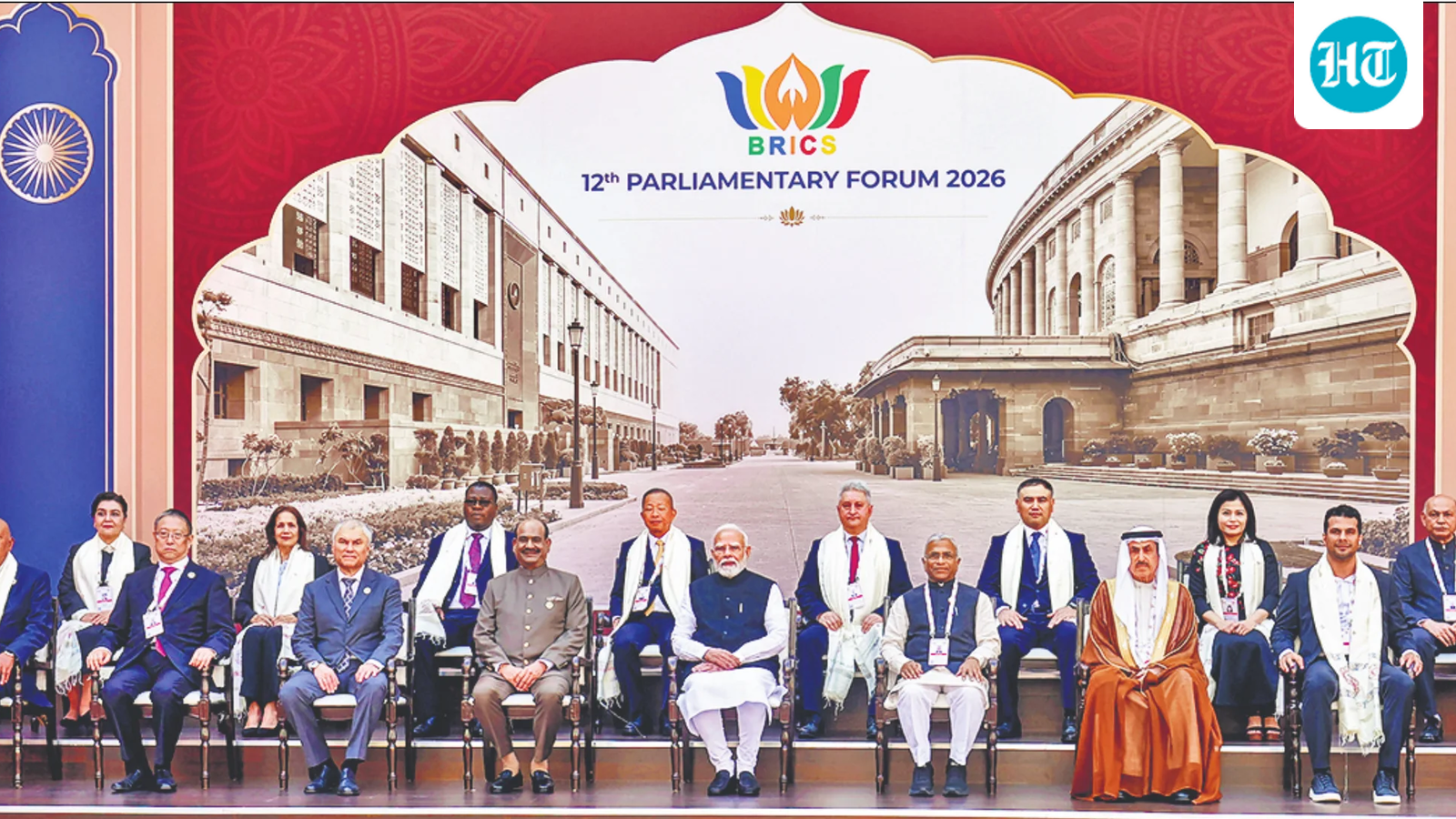
The 12th BRICS Parliamentary Forum concluded in Delhi on Tuesday, adopting a joint declaration that supports reform of the United Nations Security Council, calls for zero tolerance of terrorism, and seeks greater representation of the Global South in global decision‑making. Lok Sabha Speaker Om Birla, who presided over the forum, handed the chairmanship to China for the next BRICS summit in 2027. In his address, Birla said, “Permanent solutions to global challenges can only be forged through dialogue, not war; in peace, not conflict; and in collaboration, rather than competition.” He also urged a global framework based on respect for national sovereignty, peaceful dispute resolution, and equitable development.
The forum, held on 26 and 27 October under the theme “Fostering Parliaments for People‑Centric Development,” brought together presiding officers and parliamentary representatives from BRICS member countries and partner nations. It focused on strengthening parliamentary institutions, the use of artificial intelligence and digital technologies, and sustainability. The event took place during India’s 2026 BRICS chairmanship, which carried the theme “Building for Resilience, Innovation, Cooperation and Sustainability.”
The joint declaration reaffirmed the principles of the United Nations Charter and called for comprehensive UN reform, including the Security Council, to make the international system “more just, equitable, democratic, representative, effective, and efficient.” It expressed a desire to strengthen BRICS interaction within international parliamentary fora, such as the Inter‑Parliamentary Union, to amplify the voice of the Global South.
On counter‑terrorism, the declaration condemned the April 22, 2025 terrorist attack in Jammu and Kashmir that killed 26 people. It called for action against cross‑border movement of terrorists, terror financing, and safe havens, and urged “zero tolerance for terrorism” while demanding an end to double standards in counter‑terrorism efforts.
The declaration also highlighted cooperation on emerging technologies, including artificial intelligence, and proposed a digital public infrastructure repository for BRICS countries. It emphasized the need to strengthen digital sovereignty by protecting data privacy and security and building resilient national technological ecosystems.
Regarding climate change, member countries called for stronger mitigation and adaptation efforts, stronger implementation of the 2030 Agenda for Sustainable Development and its Sustainable Development Goals, and adherence to the principle of common but differentiated responsibilities.
The forum expressed concern over escalating tensions in the Middle East and West Asia, urging restraint, protection of civilians, and dialogue toward lasting peace. It reaffirmed unwavering support for the peaceful resolution of the Israeli‑Palestinian conflict based on a two‑state solution with the two states living side by side in peace and security.
Birla said parliaments must evolve beyond law‑making to become more transparent, effective, and citizen‑centric institutions. He highlighted the potential of AI and digital tools to improve parliamentary research, analysis, and public engagement. “Global peace truly means security, respect, justice, and the assurance of a better future for everyone—especially the younger generation,” he added, noting that future generations will judge current leaders by the safety and prosperity of the world they leave behind.
Frequently asked questions
What was the main outcome of the 12th BRICS Parliamentary Forum?
The forum adopted a joint declaration supporting UN Security Council reform, zero terrorism tolerance, and greater Global South representation.
Who will chair the next BRICS summit?
China will chair the next BRICS summit in 2027, as handed over by Lok Sabha Speaker Om Birla.