World
Lula’s Re‑election Seen as a Stabilizer for BRICS Amid U.S. Pressure
By Urooba Jamal
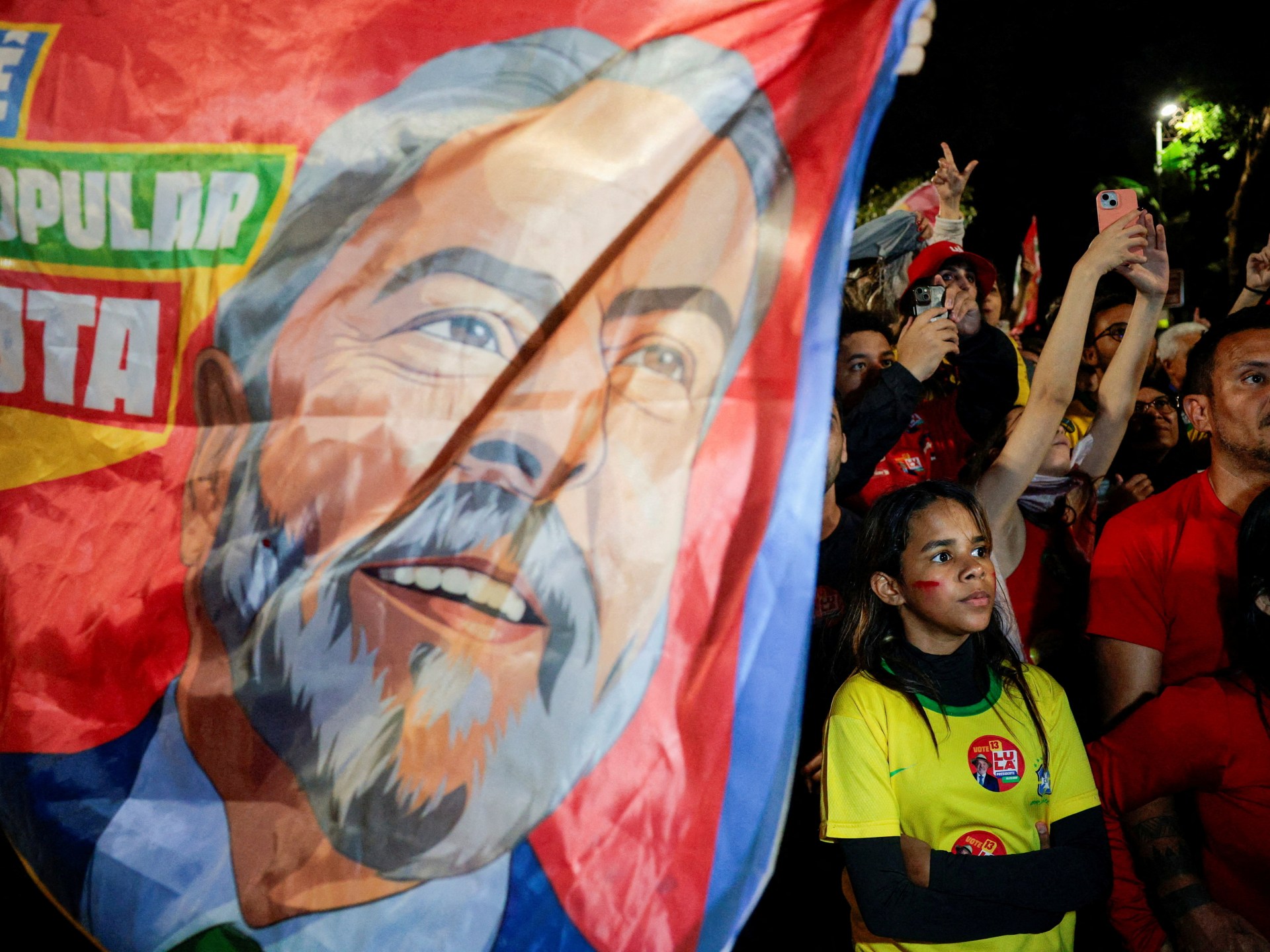
When Brazil’s President Luiz Inacio Lula da Silva won an unexpected fourth term on Sunday, his supporters celebrated a historic victory that many analysts say could prevent a fracture within the BRICS alliance. The win comes at a time when U.S. President Donald Trump is attempting to reassert American influence and has portrayed BRICS as a threat to U.S. interests. A victory for Lula’s rival, Flavio Bolsonaro, who has ties to Trump and has called for Brazil to reconsider its role in BRICS, could have weakened the bloc’s political cohesion and slowed cooperation on trade and financial reform.
Esmat Zaidan, a public policy professor at Qatar’s Hamad Bin Khalifa University, told Al Jazeera that Lula’s success is important for BRICS’ political continuity in the current climate, as the bloc seeks to increase its role and strengthen global governance. Analysts noted that under Bolsonaro, Brazil’s future in BRICS might have floundered, while Lula’s return gives the alliance one fewer reason to fear a retreat.
Imran Khalid, a geostrategic analyst and senior fellow at Foreign Policy in Focus, explained that BRICS decisions are made by consensus and that an unwilling founding member can slow progress from within. He cautioned that the bloc’s distinct economic interests and geopolitical goals mean that Lula’s victory does not eliminate internal differences.
Geopolitical analyst Guy Burton agreed that while BRICS represents a large share of the world’s population, economy and trade, it has never acted as a unified political unit. He noted that the bloc’s diversity, including members such as Iran and the UAE on opposite sides of the current war, limits its cohesion.
Zaidan said the broader concern among emerging economies is their exposure to Washington’s decisions on trade, tariffs and international economic relations. He added that China and Russia’s support for Lula, with Xi Jinping backing him against outside interference and the Kremlin praising his work for BRICS, reflects a desire for greater independence without confrontation.
The alliance’s ambition to promote trade in local currencies rather than the U.S. dollar could gain political traction with Lula’s victory, Zaidan said. Khalid noted that after scrapping the idea of a common BRICS currency at the September summit in New Delhi, the goal of 30 percent of lending in member currencies has become more viable. He pointed to Brazil and China’s agreement in 2023 to settle more trade in reais and yuan as a step toward reducing dollar dependence.
Zaidan emphasized that political will alone is insufficient; reliable payment infrastructure, sufficient currency liquidity, appropriate financial regulations and businesses willing to use these arrangements are also required. For now, the dollar remains dominant in foreign exchange transactions, and a tipping point may be a decade or more away, Burton said.
Ultimately, Lula’s re‑election could help BRICS move from political discussions toward practical financial cooperation, with dollar dependence reduction described as gradual, uneven and driven by economic feasibility as well as geopolitical ambition. How Washington reacts remains uncertain, as Trump’s administration balances a desire to remain the world’s superpower with a more protectionist America‑first stance, Burton noted.
Frequently asked questions
Who won Brazil's presidential election?
Luiz Inacio Lula da Silva won a fourth term.
How might Lula's victory affect BRICS?
It could prevent a fracture within BRICS and strengthen its political continuity.
What is the US stance on BRICS?
Trump portrays BRICS as a threat to U.S. interests and seeks to reassert American influence.