World
Tehran Holds Firm as U.S. Midterms and Israel Elections Loom
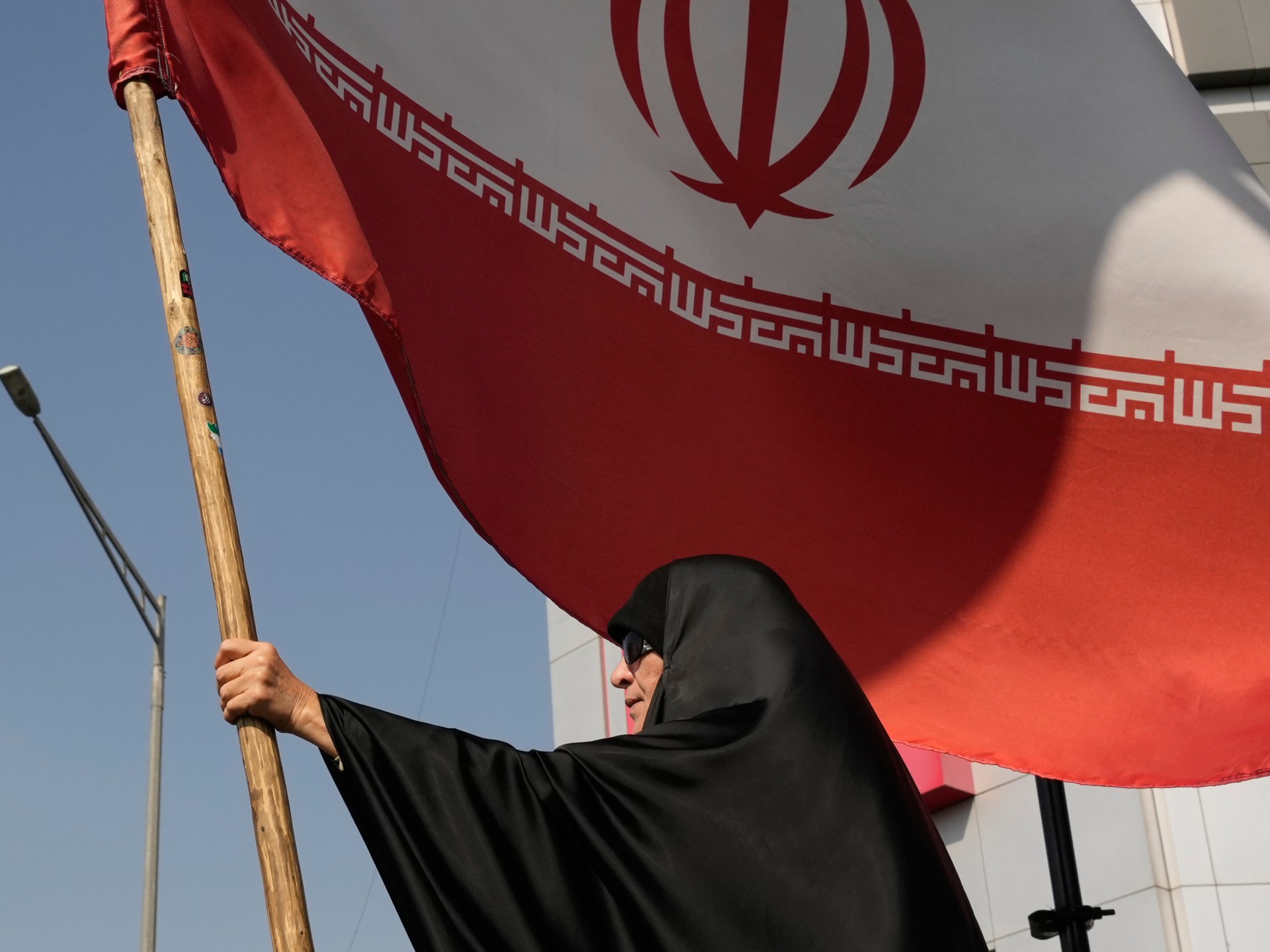
Tehran remains steadfast on its demands amid growing diplomatic efforts to prevent a further escalation of the eight‑month U.S.–Israel war. China announced it will send an envoy to regional countries to help avoid another round of conflict, underscoring the urgency of a peaceful solution that has disrupted global energy markets.
On Monday, senior officials from Saudi Arabia, Pakistan and Turkey—members of the Mecca defence pact—met with Iranian officials, pledging to continue discussions on “peace and security” in the region. Tehran, however, appears unwilling to budge, especially given its leverage over maritime trade in the Strait of Hormuz, through which one‑fifth of global oil and LNG were shipped before the war.
Negar Mortazavi, editor and host of The Iran Podcast, told Al Jazeera that Iran’s priority is not merely a ceasefire but a permanent end to the war and a deterrent against repeated U.S. and Israeli attacks. Tehran insists on sanctions relief, an end to the U.S. naval blockade of its Gulf ports, and guarantees that the U.S. will not renew attacks in exchange for normal traffic in the Strait.
The U.S. wants Iran to make additional concessions, including on its nuclear program, before a final peace settlement is reached. Experts say Iran’s calculations are driven by distrust of Washington—after three U.S. strikes on Iran since June 2025—belief that economic pressure could force better U.S. concessions, and the upcoming elections in Israel and the U.S.
Iran’s position stems from a belief that previous diplomatic efforts failed to protect it from renewed attacks. The first U.S. and Israel strikes on February 28 occurred while peace talks were underway in Oman. A memorandum of understanding brokered by Pakistan and Qatar in June aimed to reopen the Strait and end the blockade, but attacks resumed, leading to sustained U.S. strikes in July and retaliatory Iranian strikes on U.S. assets and energy infrastructure in neighboring Gulf countries and Jordan.
Sina Toossi, a senior non‑resident fellow at the Center for International Policy, said the failure of that arrangement hardened Tehran’s stance. “Iran believes previous negotiations and ceasefire arrangements failed to protect it from renewed military attacks, and it is therefore seeking more tangible and durable guarantees,” he told Al Jazeera.
U.S. President Donald Trump has been ambiguous about future action. He asked reporters, “Do I make a deal with them or do I finish them off?” and said attacks on Iran would not occur until after the U.S. midterms on November 3. Mohsen Rezaei, secretary of Iran’s Supreme National Security Council, said Iran’s armed forces are ready to respond to any new attacks, including invading Tehran’s neighbours and striking U.S. military bases, as part of a new “offensive” strategy.
The U.S. midterms next week will decide control of Congress for the final two years of Trump’s presidency. The war is unpopular with Americans; a Reuters/Ipsos survey found only 34 percent approved of Trump’s handling of the conflict. Republican majorities in both houses are slim—53‑47 in the Senate (including two independents) and 218‑214 in the House. Rising energy prices, especially diesel, have added pressure on farmers and small businesses.
Some Iranian officials suggest Tehran may be prolonging negotiations to deny Trump a political victory before the elections. A Republican setback could limit Trump’s options, especially if Democrats gain control and increase scrutiny of the war’s conduct. Mortazavi said Tehran wants to teach Washington that attacking Iran carries a high price, using a multilayered deterrence strategy.
Israel’s election on Tuesday adds another dimension. A defeat for Prime Minister Benjamin Netanyahu could complicate joint U.S. attacks on Iran, as he was a key force behind Trump’s decision to go to war. An opposition victory led by former military chief Gadi Eisenkot could ease tensions, but Netanyahu’s removal would not necessarily soften Israel’s stance toward Iran.
Iran’s control of the Strait of Hormuz remains a powerful bargaining chip. The waterway carried about one‑fifth of the world’s energy supplies before the war. October saw the highest number of attacks on commercial shipping around Hormuz. Brent crude rose above $117 a barrel last week, compared with about $72 pre‑war, after Iranian attacks on tankers.
Chris Beauchamp, chief market analyst at IG Group, said Iran is deliberately exploiting economic pressure as part of an endurance contest with Washington. “They know they are in an attritional race with the U.S. to see who breaks first,” he told Al Jazeera.
The latest diplomatic initiative reflects regional concern about another round of fighting. Saudi Arabia, Pakistan and Turkey agreed to continue discussions on regional peace and security, amid fears of escalation. The talks come after weeks of attacks on Saudi Arabia by Yemen’s Iran‑aligned Houthi rebels.
Rami Khouri, a nonresident fellow at the Arab Center in Washington, said the meeting’s immediate goal is to de‑escalate, return to diplomacy, and establish a permanent ceasefire. He added that the talks could signal a shift away from a Washington‑dominated security order toward one where Middle Eastern and other regional nations have greater influence.
CIP’s Toossi said regional powers recognize that their security cannot be separated from Iran’s, despite differences. “It will be difficult to stabilise Yemen while the wider U.S.–Iran confrontation continues, just as it will be difficult to reach a durable settlement with Iran while regional military escalation remains a constant threat,” he said.
Ultimately, Tehran’s lack of trust in Washington remains the biggest obstacle. Mortazavi said, “After two wars, Tehran is deeply skeptical of American commitments and wants concrete guarantees that any agreement will not simply become another temporary pause before the next attack.” Tehran is willing to negotiate and has presented a proposal to end the war, but it believes it retains significant leverage, particularly in the Strait of Hormuz, and will not surrender that leverage under military or economic pressure. The goal is a permanent end to the war, not another temporary ceasefire that leaves the underlying conflict unresolved.