Law & Justice
Supreme Court to Re‑examine Election Commission’s Decision‑Making After Petitioners Given 10 Days to Respond
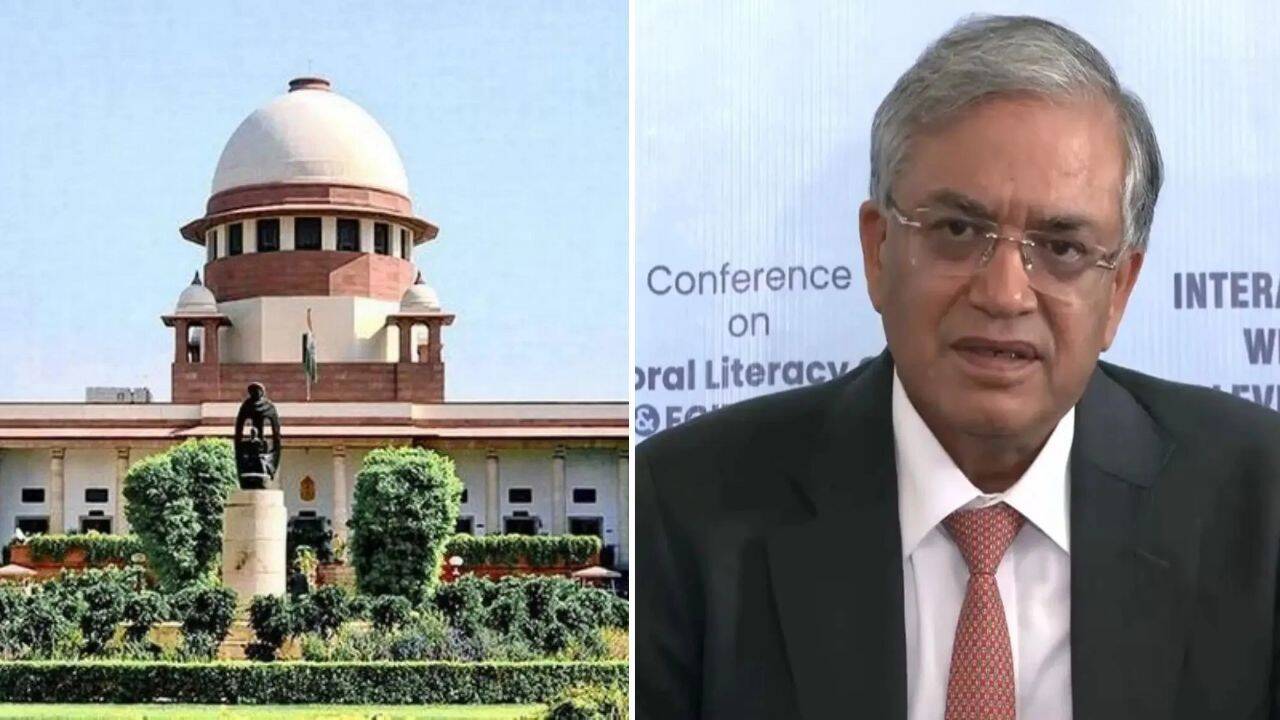
The Supreme Court adjourned a hearing on Tuesday to 17 November to review the Election Commission of India’s (ECI) decision‑making process amid allegations that key decisions, including those related to the Special Intensive Revision (SIR) of electoral rolls, were taken without unanimous consent. Chief Justice of India Surya Kant told the bench that the court would examine all aspects of the ECI’s procedures. The three‑judge bench, consisting of CJI Surya Kant and Justices Joymalya Bagchi and V Mohana, granted petitioners 10 days to file rejoinders to the ECI’s counter‑affidavit, which was submitted on Monday and asserted that the decisions in question were unanimous.
Senior advocate Abhishek Manu Singhvi, appearing for opposition leader Rahul Gandhi and other INDIA bloc leaders, urged the court to direct the ECI to preserve file notings and internal communications related to its decisions, arguing that such records are essential to determine whether the SIR decisions were made unanimously or unilaterally.
The petitions challenge Chief Election Commissioner Gyanesh Kumar, alleging that several ECI decisions, including those related to the SIR, were issued without the concurrence of the other two Election Commissioners. The bench also issued notices to the ECI and other respondents on a fresh petition filed by Rajya Sabha MP Dola Sen, who claims that changes were made to Form 6 during the Bihar SIR without Supreme Court approval. Senior advocate and MP Maneka Guruswamy, appearing for Sen, told the court that the poll panel had incorrectly claimed that the changes to Form 6 were approved by the top court.
CJI Surya Kant asked senior advocate Vikas Singh, appearing for first petitioner Rakesh Kumar Singh, to file a rejoinder within 10 days to the ECI’s reply affidavit. Earlier on Monday, the ECI filed a 248‑page affidavit strongly defending the SIR and rejecting allegations that Form 6, the statutory form used for voter registration, had been amended. The affidavit, filed by Deputy Election Commissioner Bhanu Prakash Yeturu on behalf of the ECI, stated that the poll panel had no changes to the statutory Form 6 and that the affidavit itself had been approved by a unanimous decision of all three Election Commissioners.
The petitions followed a report by The Indian Express on 25 September, which said Election Commissioners Sukhbir Singh Sandhu and Vivek Joshi had recorded objections at least 14 times over the preceding 10 months to decisions and orders concerning the SIR, claiming that the decisions were issued without their knowledge or recommendation. The allegations triggered protests by opposition parties and the Cockroach Janta Party (CJP), which demanded the removal of CEC Gyanesh Kumar.
The Supreme Court will take up the matter again on 17 November after the petitioners file their rejoinders to the ECI’s affidavit.
Frequently asked questions
When will the Supreme Court review the Election Commission’s decision‑making process?
The Supreme Court adjourned the hearing to 17 November to review the ECI’s decision‑making process.
What did the Election Commission’s counter‑affidavit assert?
The ECI’s counter‑affidavit asserted that the decisions in question were unanimous.
How many days were given to petitioners to file rejoinders?
Petitioners were granted 10 days to file rejoinders to the ECI’s counter‑affidavit.