Law & Justice
Forensic Expert Challenges Official Verdict on Epstein’s Death
By Today News Hours Editorial Desk
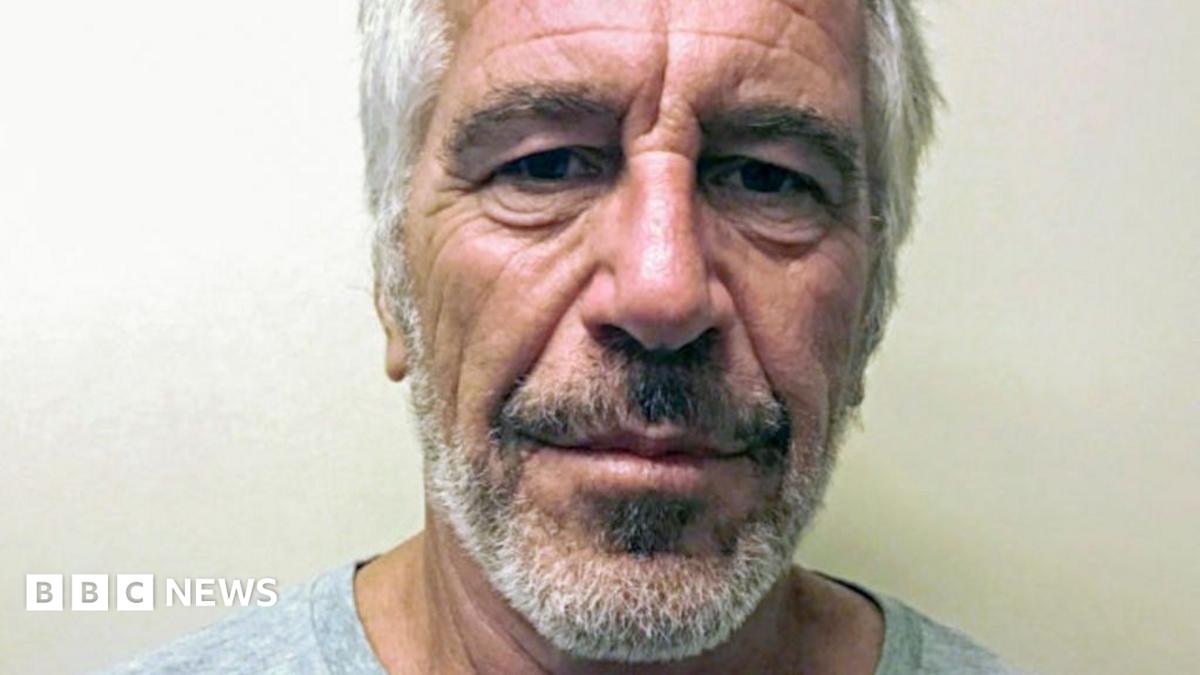
Professor Michael Freeman, a forensic expert, told BBC Newsnight that his review of the New York City medical examiner’s file suggests Jeffrey Epstein was strangled, likely from behind, rather than having committed suicide. The medical examiner, Dr Barbara Sampson, who performed the autopsy in 2019, concluded that Epstein’s injuries were consistent with suicide by hanging and found no defensive wounds that would indicate a homicide. Sampson has stated, "I stand firmly behind our determination of the cause and manner of death for Mr. Epstein. The cause is hanging, the manner is suicide."
Freeman, who has served as a cause‑of‑death expert for attorneys‑general in U.S. death‑in‑custody cases, including the George Floyd investigation, published his findings and the examiner’s files after obtaining them from Epstein’s brother, Mark Epstein. He did not view the body but based his conclusions on the files and photographs provided. Freeman said he was not paid by Mark Epstein and that his analysis is independent.
He identified signs of assault, such as a deep haemorrhage on Epstein’s left shoulder and injuries that could be consistent with a blow to the face. Freeman argued that the evidence best fits strangulation with a ligature, which was likely also used to suspend the body from the bunk bed. He noted fingernail marks above the ligature on Epstein’s neck, which he said would be consistent with strangulation from behind and an attempt by the victim to remove the ligature. Freeman stated that the injuries and the body’s position do not align with a suicide, leaving homicide as the only plausible explanation.
The medical examiner’s report to the Department of Justice Office of the Inspector General described Epstein’s injuries as more indicative of suicide by hanging and noted no defensive wounds typical of strangulation victims. Freeman said he would have expected a photograph of the body before it was removed in an investigation of a hanging death in custody.
According to a DOJ investigation, the guard who found Epstein immediately called for a second colleague, lowered the body to the floor, and began resuscitation attempts. Epstein’s death occurred a month after he was briefly placed on suicide watch, the report said.
When asked who might have killed Epstein if his interpretation were correct, Freeman said he had no idea and that it was outside the scope of his investigation.
Epstein was convicted in 2008 of soliciting prostitution from a minor and was registered as a sex offender. He avoided a lengthy prison sentence through a plea deal. Eleven years later he was charged with running a network of underage girls for sex and was awaiting trial in 2019 when he was found dead at the Metropolitan Correctional Center in New York City.