World
Iranian Citizens Anticipate Possible Resumption of Attacks Following Israeli and U.S. Elections
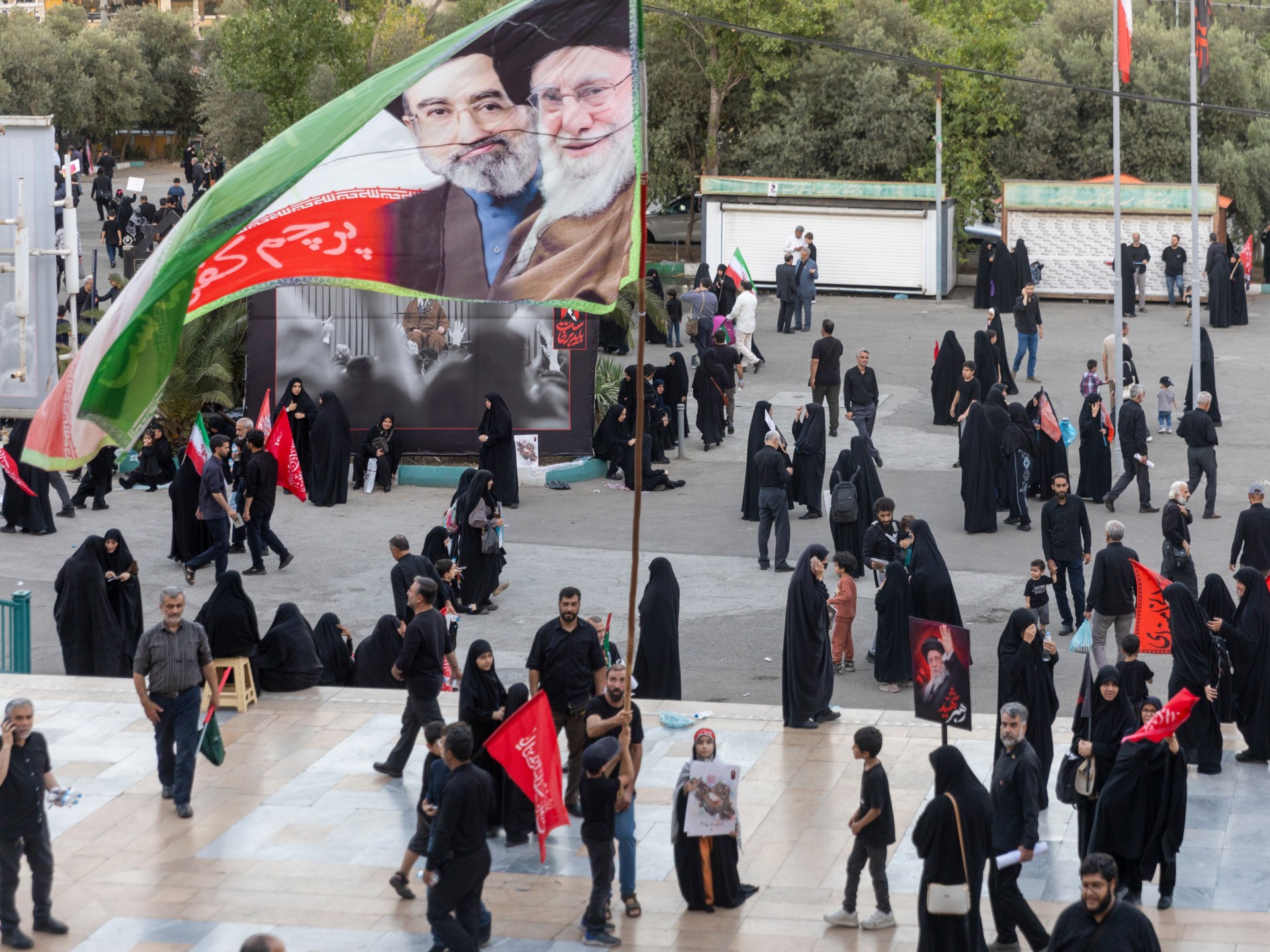
The United States and Israel have hinted at strikes against Iranian civilian infrastructure around their elections, prompting concern among Iranians. Israeli voters are deciding whether Prime Minister Benjamin Netanyahu will remain in office, while U.S. midterm elections on November 3 could influence President Donald Trump’s final years in office. Many Iranians are watching both elections closely, aware that the outcomes could have serious consequences for their future.
Since Israel and the U.S. launched an unprovoked war on Iran on February 28, Iranians have endured bombings, a blockade and sanctions. Although a memorandum of understanding between Washington and Tehran in June reduced U.S. and Israeli attacks, the threat of war has resurfaced. Political commentators believe the U.S. and Israel could restart the war after the elections, and Iranians are preparing for further strikes.
"I haven’t followed the Israeli election very closely. But I think there will be more fighting whether Netanyahu wins or Eisenkot or someone else," said 37‑year‑old Tehran resident Sajad to Al Jazeera, asking to remain anonymous for security reasons. He believes Israeli officials’ rhetoric signals an ambition to overthrow the Islamic Republic, which has governed Iran since the 1979 revolution. Some Iranians inside and outside the country support this view, but cyber intelligence operations by both Israel and Iran make it difficult to gauge online reactions accurately.
Iranian authorities label pro‑Israeli Iranians as "homeland sellers" and punish perceived cooperation with Israel on national security grounds. They also blame the U.S. and Israel for the nationwide protests in January, during which thousands of civilians are believed to have been killed. The United Nations has said Iranian security forces committed crimes against humanity while cracking down on the protests.
"I think some people’s viewpoints adjusted after some of the comments from the U.S. and Israel, and after they bombed infrastructure that we need to live, like oil and gas, power and steel," said 32‑year‑old Tehran resident Shayan to Al Jazeera. "I think most Iranians don’t have a choice in the matter, but want some stability and peace."
President Trump has threatened to bring about the "death of a civilisation" in Iran and suggested the country’s map may look different after a war. He has repeatedly threatened to launch more major strikes against Iranian power plants, bridges and other civilian infrastructure if hostilities resume. U.S. media report that the country’s military is prepared to attack in the coming days if ordered. Trump has also threatened to prolong a naval blockade of Iran’s southern ports, which has halted the country’s oil exports and disrupted trade since July. Combined with stringent sanctions, U.S. measures have made Iranians poorer and more isolated.
The Netanyahu government has also threatened to strike Iranian infrastructure again, including energy facilities. Defence Minister Israel Katz has said he wants to send Iran "back into the Stone Age." Opposition figures such as Yair Lapid, Yair Golan, Naftali Bennett and Gideon Eisenkot have praised U.S.–Israeli attacks on Iran during the current war and last year’s 12‑day war. They share goals of removing Iran’s enriched uranium stockpiles, dismantling its nuclear programme and eliminating the Tehran‑backed "axis of resistance" of armed forces that oppose Israel and the U.S. across the region.
Israeli politicians, both government and opposition, are generally united on the war aims of overthrowing the Iranian establishment but differ on the method. Eisenkot supports Netanyahu’s military strikes and praises Trump’s decision to launch attacks as courageous, but also says that military operations cannot realistically overthrow the Islamic Republic and that change must come from Iranians themselves.
Some Iranians have mentally prepared for conflict after the elections. They have formed groups with friends in different parts of the country to warn each other of imminent strikes if they hear fighter jets overhead. Some groups use domestic messaging apps or text messages, as Iranian authorities have warned of more internet and communication shutdowns if deemed necessary.
"In all seriousness, 90 million people have our eyes to the sky to see when there will be war. Damn this life we’ve lived," a user named Ali wrote on X.
Frequently asked questions
Which elections are influencing potential attacks on Iran?
The Israeli election deciding whether Prime Minister Benjamin Netanyahu will remain in office and the U.S. midterm election on November 3.
What threats have the U.S. and Israel made regarding Iranian infrastructure?
They have threatened strikes on civilian infrastructure such as power plants, bridges, oil and gas facilities, and a naval blockade of Iran’s southern ports.