World
Jordan Launches Airstrikes on Southern Syria After Church Attack
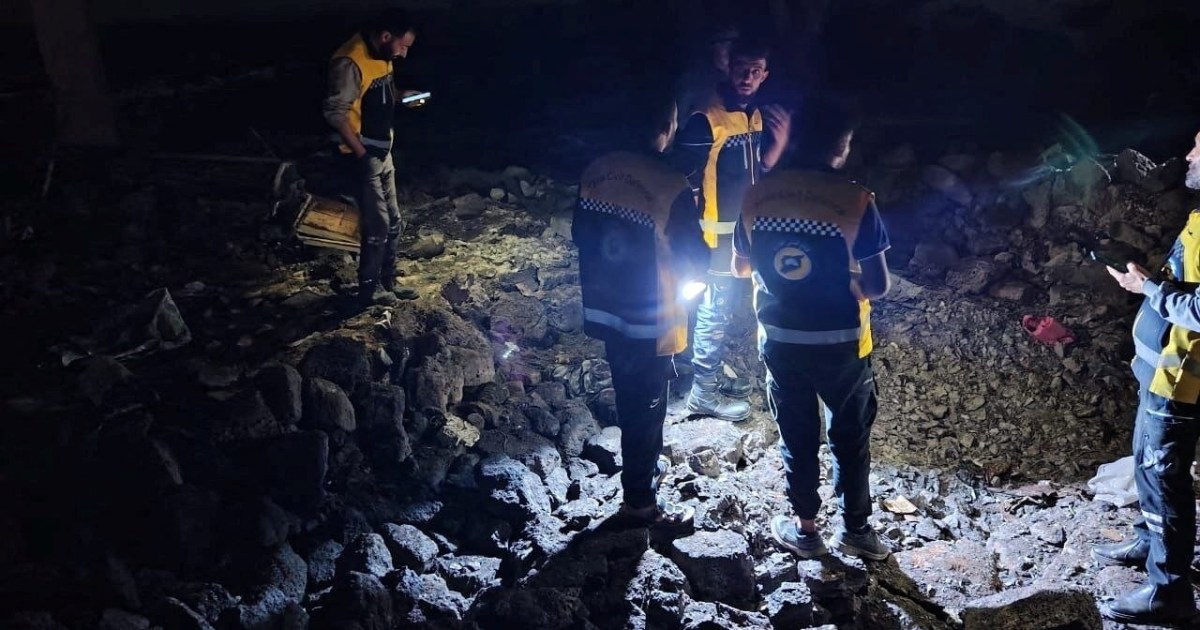
Jordan’s air force carried out retaliatory strikes on what it described as “dens of terrorist organizations” in southeastern Syria, targeting sites in the rural areas of Deraa and Suwayda. In a statement posted on X, the Jordanian Armed Forces said fighter jets destroyed several terrorist sites, killing and wounding many elements of the organizations and destroying a number of their vehicles. The forces added that the operation was conducted in coordination with Damascus.
The attacks followed an October 23 assault on a Greek Orthodox church in Jordan’s Karak governorate, which killed nine people. Jordanian authorities arrested three suspects—Hazza Zaidan Mohammed, Meshal Zaidan Mohammed, and Ahmad Sami Hussein—after a shootout related to the church attack. Jordan’s King Abdullah II ordered a hard‑line response, and Interior Minister Mazin al‑Farrayeh announced an investigation into the factors driving youth toward extremism.
Syria’s Ministry of Foreign Affairs expressed “complete reservation” over the strikes, stating they occurred without prior coordination or notification with the Syrian side. A Syrian Foreign Ministry official called the attacks a “treacherous attack.” According to the Ministry of Emergency and Disaster Management, seven people were killed, including three children, in the Jordanian air attacks. The casualties were reported as follows:
• In al‑Taff, a village in the Lajat area of northeastern Deraa province, a strike on a tent killed five members of one family, including three children and a woman. Three other family members were injured. • In al‑Shayah farms near Nassib, a strike killed 80‑year‑old Riyad Karrad, whose body was taken to Deraa National Hospital. • In Muzayrib, a strike hit a home in the Ein al‑Basal area of western Deraa countryside; no casualties were reported. • In the town of Shuhayb, northern Suwayda countryside, a strike on a home killed 60‑year‑old Mutlaq Abu al‑Khail; rescue teams were still recovering his body.
Syria’s civil defence agency recovered the bodies of those killed, and the Ministry of Emergency and Disaster Management said its teams responded to attacks at four sites. No immediate comment from Jordan addressed Syria’s accusations that civilians, not armed fighters, were killed.
Shortly after the attacks, Syrian customs authorities closed the Nassib border crossing with Jordan, the only passenger and commercial traffic route between the two countries.
Jordan has conducted multiple cross‑border air attacks on Syria since 2023, claiming to target drug and arms smugglers linked to Iran‑allied groups. Human Rights Watch has called for accountability after attacks that killed civilians, including women and children, in January 2024.
Syria’s Foreign Ministry said it was in contact with Jordan to establish the circumstances of the operation and would address the aftermath while “safeguarding Syria’s security and sovereignty.”