Politics
Serbia Holds Snap Parliamentary Election Amid Student‑Led Protest Movement
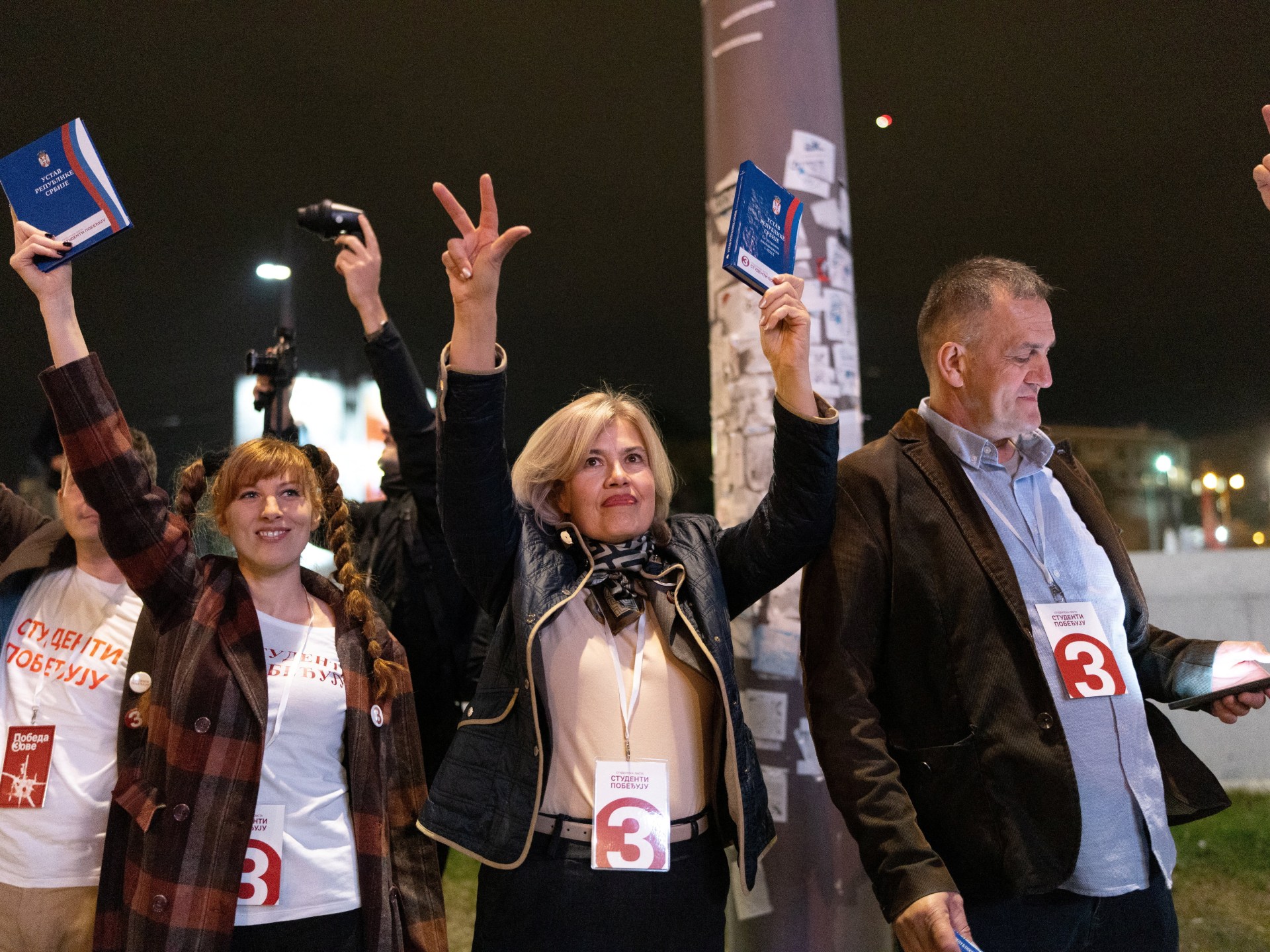
Serbia will hold a snap parliamentary election on October 25, a vote that could determine whether President Aleksandar Vučić’s Serbian Progressive Party (SNS) can extend its 14‑year rule or whether a student‑led movement can unseat him. The election, originally scheduled for late 2027, was called early after Vučić resigned from the presidency in September, ahead of the end of his second and final constitutional term, and is now the central contest for his attempt to retain political power before a separate presidential election.
The student‑backed list, Student List–Students Win (Studentska lista–Studenti pobeduju), is the main challenger. It brings together candidates with little or no previous political experience, including academics, teachers and other professionals, and campaigns on restoring the rule of law, ending corruption and rebuilding institutions. The list has avoided focusing on divisive issues such as Kosovo, EU membership or relations with Russia.
The movement grew out of a nationwide protest that began after a concrete canopy collapsed at a railway station in Novi Sad in November 2024, killing 16 people. The tragedy sparked demands for accountability that evolved into a broader anti‑government campaign, with students emerging as the driving force. The protests have become Serbia’s largest social mobilisation since the overthrow of Slobodan Milošević.
Opposition parties have either chosen not to run or are contesting the election with the risk of failing to clear the 3 percent threshold required for parliamentary entry. Some have opted to support the student list. The election is therefore seen as a referendum on whether the SNS system should continue.
The outcome will shape whether Serbia attempts to reset institutions that critics say have been hollowed out by years of party control. The SNS denies allegations of abuse and corruption, but opponents and rights groups accuse it of pressuring independent media, engaging in electoral malpractice and using state resources to maintain power.
If the student list succeeds, it could bring a large group of politically inexperienced and ideologically diverse politicians into parliament, potentially reducing the influence of traditional opposition parties and prompting a wider reorganisation of Serbia’s political landscape.
A new government would face the challenge of rebuilding a democratic system after what critics describe as 14 years of systematic damage to institutions, the rule of law and public trust, compounded by deep social divisions and rampant corruption. The student movement has avoided detailed commitments on foreign policy, but a new government would likely need to address democratic reform, judicial independence, free media and corruption to renew cooperation with Brussels and revive the EU accession process.
Foreign policy remains an unknown in the student list’s programme. Candidates have taken a hard line on Kosovo, proposed reviewing agreements reached under EU auspices and floated a referendum on EU membership within six months of taking office. They have also signalled continuity in relations with Russia.
Voters will elect all 250 members of the National Assembly in a single nationwide constituency. One ballot is cast for a party or coalition list, with seats allocated proportionally. Electoral lists generally need at least 3 percent of votes to enter parliament, while recognised minority lists are exempt from the threshold. The list or coalition that commands a majority in the 250‑seat assembly will form a government. Polls will close on Sunday at 8 pm local time, with preliminary results expected about two hours later.