Politics
Netanyahu Expresses Panic as Eisenkot Secures Key Knesset Positions
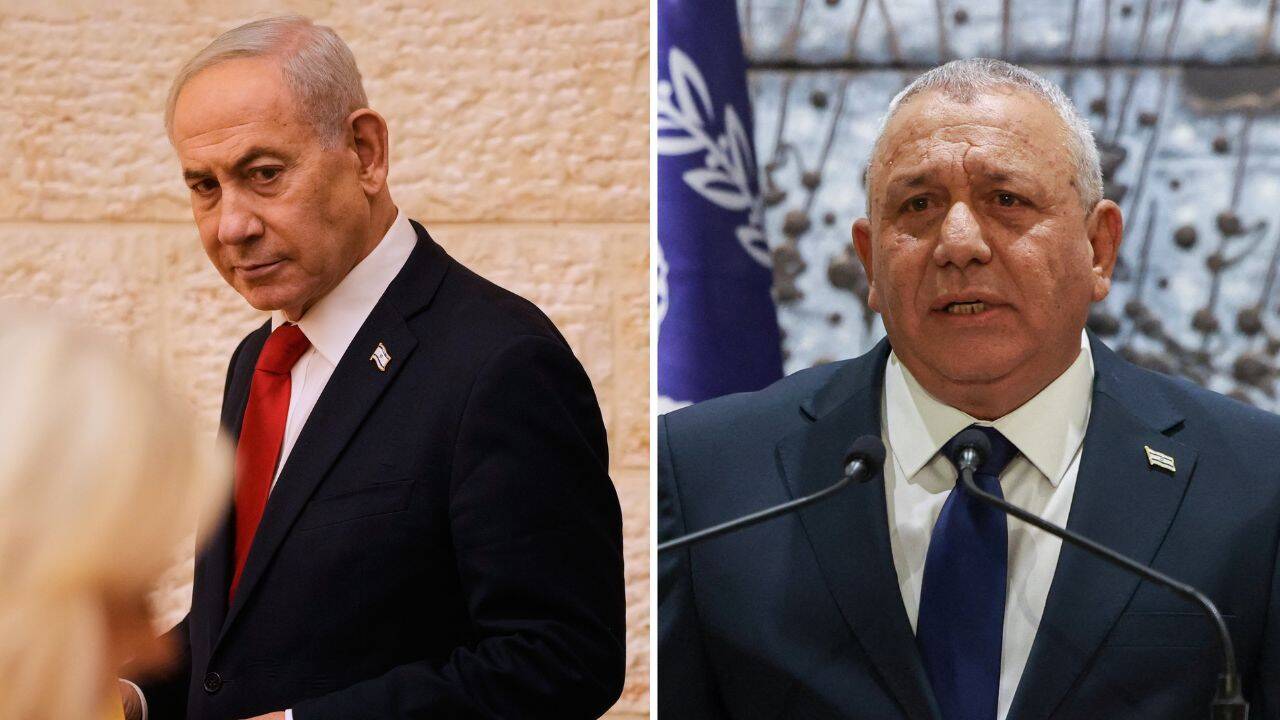
Benjamin Netanyahu is reportedly in "panic" over the possibility of opposition leader Gadi Eisenkot ousting him as Prime Minister, former adviser Nir Hefetz said on Tuesday during an interview with 103FM. "Panic is a major factor in his decision-making," Hefetz told The Jerusalem Post, adding that he could almost hear the atmosphere of panic. He described frequent urgent calls from Netanyahu’s wife, Sara, and son, Yair, and noted that people such as Qatar’s representatives and Knesset Speaker Amir Ohana were present in the Prime Minister’s Office.
Hefetz said Netanyahu fears losing power and that it would be difficult for him and his family, citing the status and privileges of the prime minister’s role. He suggested that Netanyahu’s call for a national unity government could be a move to slow Eisenkot’s efforts to form an alternative administration. "The closer Gadi Eisenkot gets to forming a government, the less Netanyahu will be willing to settle for," Hefetz said.
Eisenkot, a former Israeli military chief, secured an agreement with four opposition leaders on key Knesset positions, strengthening their push to replace Netanyahu. The agreement was reached with Naftali Bennett, Yair Golan, Avigdor Liberman and Yair Lapid. The parties nominated former minister Matan Kahana, a member of Eisenkot’s Yashar party, as their candidate for Speaker of the Knesset. Liberman will head the Foreign Affairs and Defence Committee, while Liran Avisar Ben Horin of Bennett’s B’Yachad party has been nominated to chair the Finance Committee, becoming the first woman to hold the post. Incoming lawmaker Roy Folkman has been nominated to head the House Committee. The parties also agreed to establish special committees, with details to be announced separately.
Eisenkot announced the decision on X, stating, "I have reached an agreement with my partners, the leaders of the change and reform parties—Naftali Bennett, Yair Golan, Avigdor Liberman, and Yair Lapid—on the prospective candidates for key positions in the 26th Knesset during the period for forming a government." He added that the Speaker of the Knesset would be former minister and incoming MK Matan Kahana.
Netanyahu’s governing bloc won 53 seats in the 120‑member legislature, while the Zionist opposition parties secured 48 seats. Arab‑led parties hold the remaining 19 seats. Eisenkot received the mandate to form the next government from President Isaac Herzog on Sunday after securing recommendations from lawmakers representing 67 seats, compared with 46 for Netanyahu. The backing included support from Arab lawmakers, although most leaders of the Zionist opposition parties have ruled out including Arab parties in a government. Eisenkot has 28 days to form a government, with a possible two‑week extension.
The ultra‑Orthodox parties, which hold 13 seats and have traditionally been Netanyahu’s allies, could prove crucial to the coalition negotiations. Liberman has called for a compromise with Haredi parties over exemptions from military service for ultra‑Orthodox men, marking a shift from his longstanding position on the issue.
Netanyahu’s Likud party said he would seek cabinet approval to appoint foreign minister Gideon Sa’ar as interior minister in addition to his current portfolio. The position has been vacant since July 2025, when Moshe Arbel of the Shas party resigned amid a coalition dispute over the Haredi draft issue. Netanyahu had since taken over some of the ministry’s responsibilities.
Hefetz compared Eisenkot with former prime minister Naftali Bennett, arguing that Netanyahu viewed the former IDF chief of staff as a more formidable political opponent. He said Netanyahu knows Eisenkot is not afraid of him and that Eisenkot’s reputation and personal credibility could help him secure support from potential coalition partners, particularly ultra‑Orthodox parties.
Hefetz also discussed the possible implications of Netanyahu losing office for his ongoing corruption trial. He suggested that the prime minister’s current position had influenced the court’s handling of his schedule and that judges could impose stricter attendance requirements if he moved to the opposition.
Frequently asked questions
Who was nominated as Speaker of the Knesset in the agreement?
Former minister Matan Kahana, a member of Eisenkot’s Yashar party, was nominated as Speaker of the Knesset.
What is Netanyahu’s reaction to Eisenkot’s moves?
Netanyahu reportedly panics, fears losing power, and may call for a national unity government to slow Eisenkot’s efforts to form an alternative administration.
How many seats does Netanyahu’s governing bloc hold in the Knesset?
Netanyahu’s governing bloc won 53 seats in the 120‑member legislature.