Politics
Netanyahu’s Caretaker Government Holds War‑Making Power Amid Calls for Iran Strike
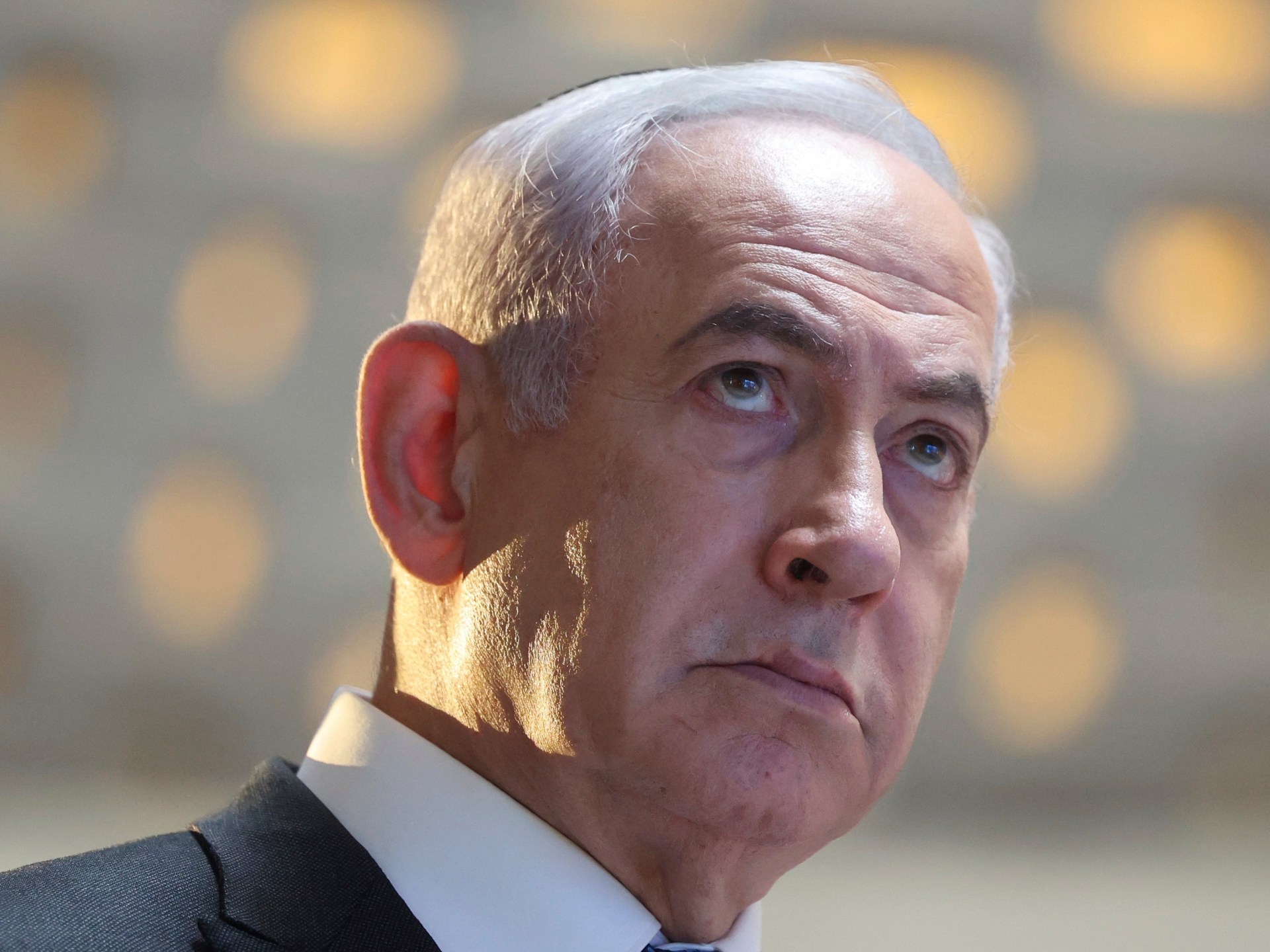
Israel’s caretaker government, led by Prime Minister Benjamin Netanyahu, retains the legal authority to launch military action, even though it no longer holds a parliamentary majority. Article 30 of Israel’s Basic Law gives an interim government the same duties as a regular one, but the Supreme Court has ruled that outgoing governments should avoid irreversible policy moves unless urgent. Experts say that security matters are a clear exception to this restraint, allowing a caretaker prime minister to take Israel to war.
Reports from Israeli media indicate that Netanyahu’s security cabinet has instructed the military to increase preparations for an attack on Iran. The directives could lead to actions that might trigger a conflict. Netanyahu has reportedly been calling U.S. President Donald Trump to press for a new campaign against Iran, with some conversations becoming heated. A U.S. military official quoted by KAN said Washington had warned Israel to prepare for a potential confrontation, but CENTCOM later dismissed the reports as speculation.
The Israeli military establishment has stated that there is no urgent need to attack Iran, a view presented to Netanyahu and opposition leader Gadi Eisenkot during a briefing on Wednesday. The opposition has urged Netanyahu to avoid any military action unless it is critical. Avigdor Lieberman, leader of the Yisrael Beytenu party, warned that the caretaker government should not make decisions that could drag Israel into war without parliamentary oversight. Eisenkot echoed this in a letter, arguing that deploying forces without an immediate threat could have devastating consequences for Israeli democracy.
Netanyahu insists that all decisions are based on security considerations. Domestic reactions would likely split along party lines: supporters of Netanyahu’s coalition would favor action, while those backing the change bloc would oppose it. Many Israelis, however, would rally around the flag if hostilities resumed, though they would question the justification and objectives of a new campaign.
The U.S. remains a key factor. Washington has emphasized economic pressure on Iran rather than large‑scale military action, and Netanyahu’s prospects for a joint operation are limited by the U.S. stance. Experts suggest that a lack of urgency, U.S. opposition, and reservations among senior Israeli commanders could frame the decision as a political maneuver.
Caretaker governments in Israel have previously launched military actions. In May 2021, weeks after losing seats in elections, Netanyahu ordered an 11‑day war in Gaza that killed at least 260 Palestinians and 13 Israelis. The conflict stalled government formation but a new coalition led by Naftali Bennett and Yair Lapid was formed the following month. Former prime ministers Ehud Olmert and Yair Lapid also ordered military action in Gaza while serving in caretaker roles, with Olmert’s 2008 war being the deadliest.
Frequently asked questions
Does Israel's caretaker government have the authority to launch military action?
Yes, Article 30 of Israel’s Basic Law gives an interim government the same duties as a regular one, so the caretaker government retains war‑making authority.
What actions has Netanyahu’s security cabinet taken regarding Iran?
The security cabinet has instructed the military to increase preparations for an attack on Iran, and Netanyahu has reportedly called President Trump to press for a new campaign.