Politics
Ultra-Orthodox Draft Debate Drives Israel’s Election Campaign
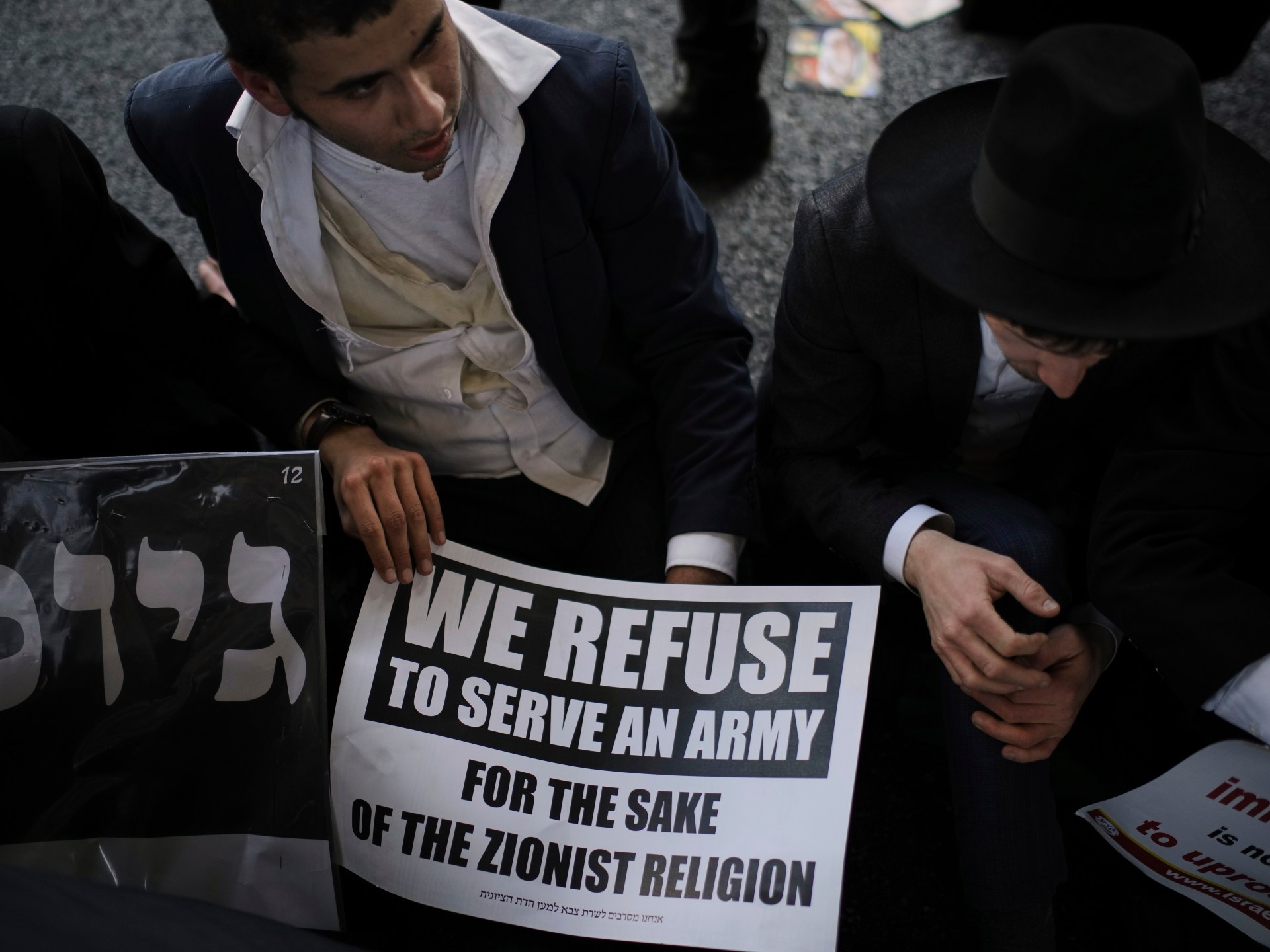
Israel’s October 27 election campaign is dominated by the debate over whether the country’s ultra‑Orthodox Jewish minority should serve in the military. About 80,000 ultra‑Orthodox men aged 18 to 24 are currently avoiding service, a number that grows as the army reports staff shortages. Haredi parties Shas and United Torah Judaism (UTJ) argue that Torah study and prayer preserve Israel’s character, while critics say the men are dodging their share of the nation’s wars, especially after the Hamas attack on October 7, 2023.
In May, protests erupted after a Supreme Court ruling required the army to begin drafting ultra‑Orthodox men. The ruling threatened Netanyahu’s government, which had relied on Haredi support in exchange for easing draft requirements. Netanyahu later said he opposed arresting 40 Haredim who had evaded the draft after returning from the United States, arguing that the arrests were an attempt to harm the drafting process.
A September poll by the Israel Democracy Institute found 72 percent of Israelis wanted Haredim drafted alongside other eligible citizens. In early October, a clash in Modi’in between Haredim and forces attempting to arrest a draft dodger drew condemnation from Netanyahu’s opponents. Former Chief of Staff Gadi Eisenkot, whose Yashar party leads a narrow lead over Likud, said the incident reflected a dangerous worldview that normalizes draft evasion.
Likud lawmakers have also voiced concerns that ultra‑Orthodox non‑conscription could threaten Israel’s future. Daniel Bar‑Tal, a psychology professor at Tel Aviv University, noted that the issue unites secular and Zionist religious groups but clashes with the ultra‑Orthodox right.
Shas and UTJ have ruled out joining any coalition that does not pass laws exempting their community from military service, even if it makes coalition building difficult. Pollster Mitchell Barak said the opposition is framing the election as a choice between draft dodgers and those who protect and serve.
The debate occurs amid broader crises: the Gaza war that began in October 2023 killed nearly 74,400 people and devastated the region, placing a heavy financial burden on the state. Higher taxes and a high cost of living have increased public discontent. An August survey found 42 percent of Israelis said their finances had worsened since the war, with families of reservists hit hardest.
The Haredi population, 1.26 million or 12.5 percent of Israelis, is growing. Projections suggest that by 2065, between 20 percent and a third of the population will be Haredi, many of whom refuse to work or serve in the army in favor of Torah study. Shmuel Rosner of The Jewish People Policy Institute said the growing Haredi sector places a greater burden on others, noting that the community’s refusal to consider change during times of danger shows it depends on Israel financially and contributes little otherwise.