Health
Three Families Report Serious Illnesses After Visiting Christchurch Harbour Beaches
By Today News Hours Editorial Desk
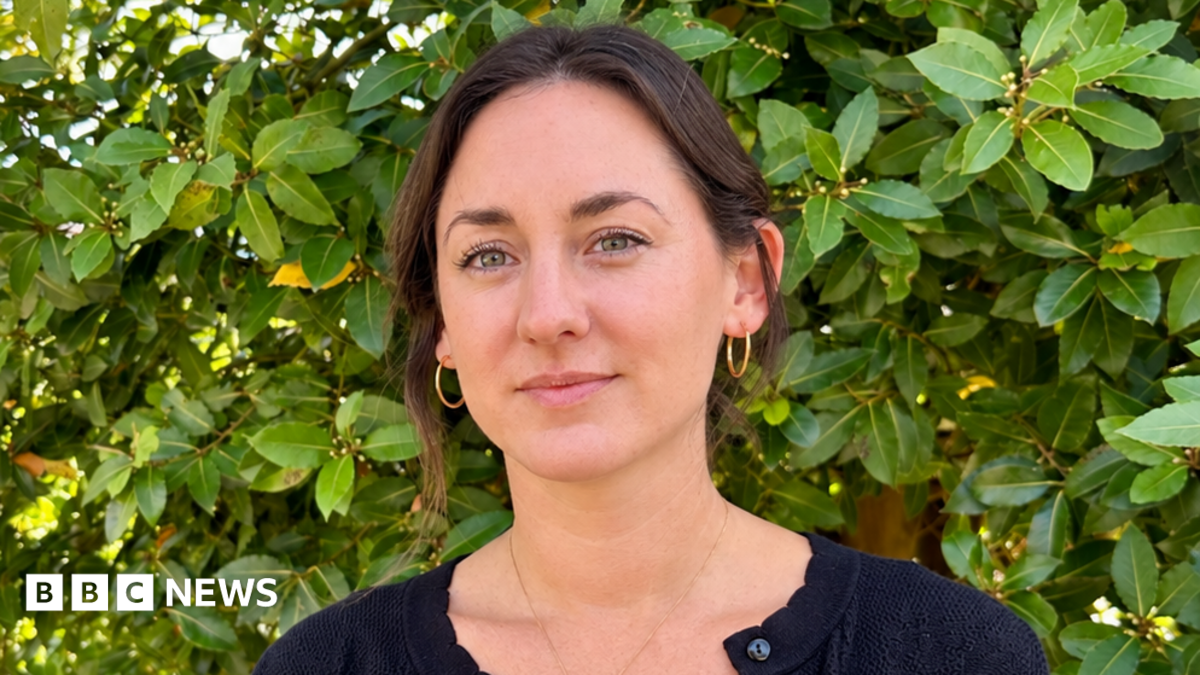
Three families have reported serious illnesses in their children after spending time in and around Christchurch Harbour during the summer holidays. The Hampshire mother, Ellie, says her three‑year‑old daughter, Violet, began vomiting two weeks after a family visit to Avon Beach in Dorset. Violet was hospitalized for five days and diagnosed with Hepatitis A, a condition that is extremely rare in the UK. "It was very quickly scaled up to this is a serious kind of emergency situation," Ellie recalled. She now continues to give her daughter medication and blood tests.
Aisling, a resident of the area, has two eight‑year‑old twins who regularly visit Avon Beach. Her daughter Keeva swallowed a large amount of seawater after being hit by a wave while swimming. Four days later, Keeva was taken to hospital after becoming lethargic, developing a high temperature and passing blood. Doctors diagnosed campylobacter, a bacterial infection that can be transmitted through contaminated water. Aisling says she believes the illness is linked to the sea and is seeking answers from the Environment Agency (EA) and local council.
The family of three‑year‑old Ivy from Poole, Dorset, reports that her life has become a "nightmare" since she was diagnosed with E. coli in August. Ivy fell from a paddle‑board in Mudeford during the summer holidays and has been readmitted to hospital several times. E. coli can be transmitted through contaminated food, contact with infected animals or contaminated water.
The EA is conducting additional inspections and bacterial sampling around Christchurch Harbour as part of its investigation into water quality concerns. It is also setting up joint monitoring with Christchurch Harbour and the Marine Society to track changes in water quality in real time. The UK Health Security Agency (UKHSA) says cases of E. coli and campylobacter in Dorset are not above expected levels for the time of year.
Oceanographer Dr Simon Boxall of the University of Southampton explains that Christchurch Harbour is a mixing basin where river water combines with seawater. He notes that the build‑up of sand and mudbanks near the harbour entrance has altered water movement, creating a back eddy that could direct water back toward Avon Beach and Hengistbury Head. He also suggests that unusually warm weather this summer may have encouraged bacterial growth.
The families say they may never know exactly how their children became ill, but they want monitoring to continue so people can make informed decisions about using Christchurch Harbour and its surrounding beaches. If you have been affected by the issues in this story you can contact Jo Palmer via jo.palmer@bbc.co.uk.
Frequently asked questions
What illnesses were reported among children after visiting Christchurch Harbour beaches?
The families reported Hepatitis A, campylobacter, and E. coli infections.
What actions is the Environment Agency taking in response to the illnesses?
The Environment Agency is conducting additional inspections and bacterial sampling around Christchurch Harbour and setting up joint monitoring with Christchurch Harbour and the Marine Society.
Why might bacterial growth have increased in Christchurch Harbour this summer?
Oceanographer Dr Simon Boxall noted that the build‑up of sand and mudbanks near the harbour entrance altered water movement, creating a back eddy that could direct water back toward Avon Beach and Hengistbury Head, and unusually warm weather may have encouraged bacterial growth.