Politics
Morocco Names First Female Prime Minister Amid Low Voter Turnout and Economic Challenges
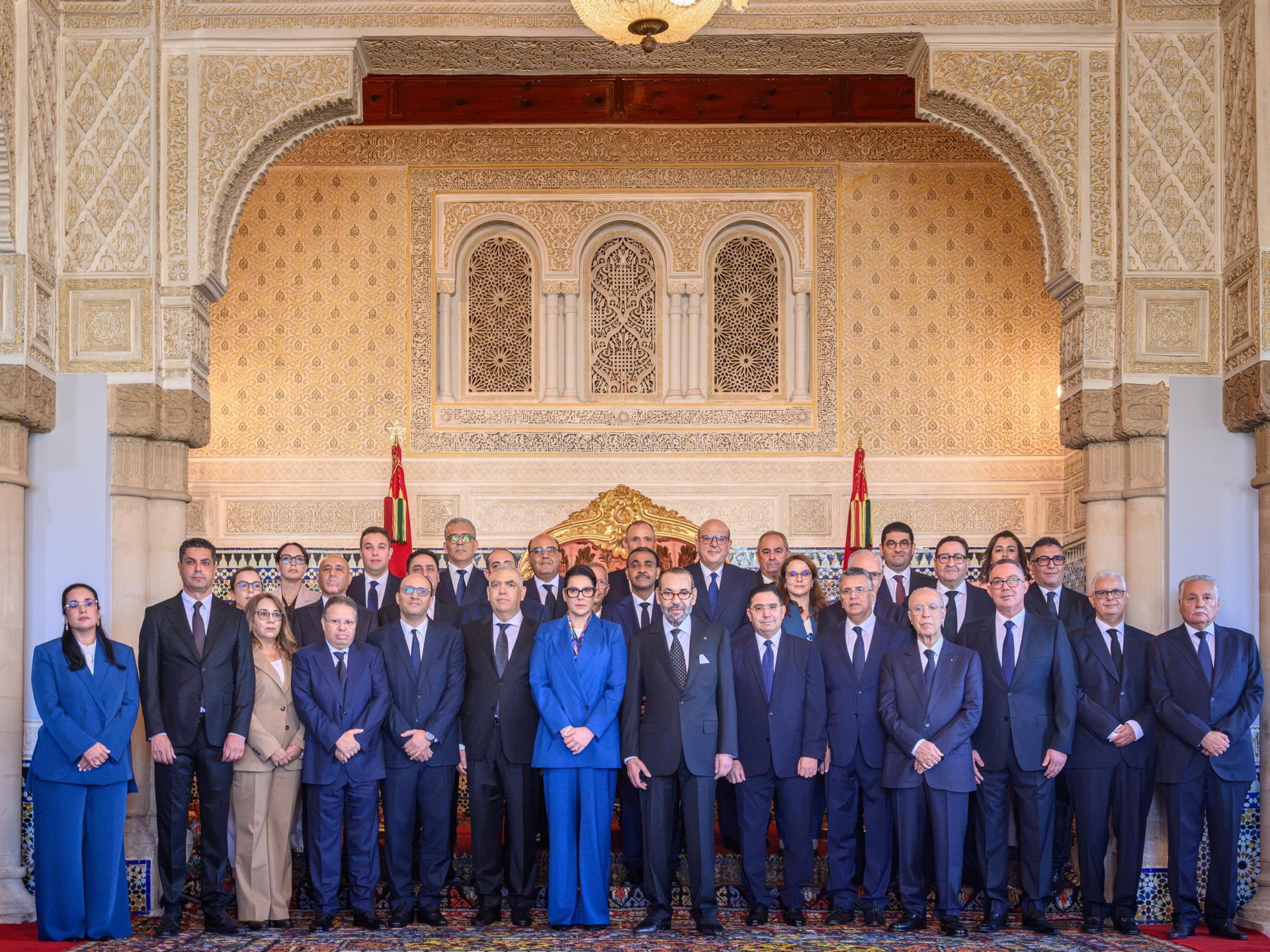
On October 16, King Mohammed VI appointed Fatima Zohra Al Mansouri as Morocco’s new prime minister, making her the first woman to head the country’s government. Al Mansouri is a member of the Authenticity and Modernity Party (PAM), which won the most seats in the September parliamentary elections. PAM, founded in 2008 by Ali Himma—a close adviser to the king—has long been viewed as linked to the monarchy. The party formed a coalition with three other parties to secure a parliamentary majority.
The new cabinet retains more than half of the members of the previous government and includes ministries that fall under the king’s sovereign powers. Despite the continuity, many Moroccans question the purpose of the elections, noting that 62 % of eligible voters did not cast ballots. The authorities urged voters to participate, and observers reported suspicions of irregularities, though official records were not fully released.
Al Mansouri’s government faces a demanding agenda. At the first Council of Ministers meeting on October 17, a 2027 Finance Bill was presented, emphasizing social issues, purchasing power, and youth inclusion. The plan must contend with a difficult international economic climate, rising energy prices, and higher input costs for key sectors such as phosphate production. The state‑owned OCP Group, a major source of national wealth, is experiencing challenges, and concerns about El Niño and potential food‑security risks persist after seven years of drought.
Tourism, another vital revenue stream, may suffer from global travel slowdowns, higher transport costs, and geopolitical tensions in the Gulf and Europe. Opposition parties, including the Islamist PJD and the radical left, remain vocal. Ministers with sovereign portfolios also face scrutiny: the foreign minister deals with public opposition to normalisation with Israel; the interior minister confronts allegations of electoral manipulation; and the minister of religious affairs has faced backlash over remarks about Morocco’s secular status and comments about Ceuta during a religious ceremony.
The new administration’s tenure will be shaped by these domestic and international challenges, many of which lie beyond its control.
Frequently asked questions
Who was appointed as Morocco's first female prime minister?
Fatima Zohra Al Mansouri
What percentage of eligible voters did not cast ballots in the September parliamentary elections?
62%
Which party won the most seats in the September parliamentary elections?
Authenticity and Modernity Party (PAM)