World
Hokkaido Village Transforms Scallop Shell Waste into Enhanced Safety Helmets
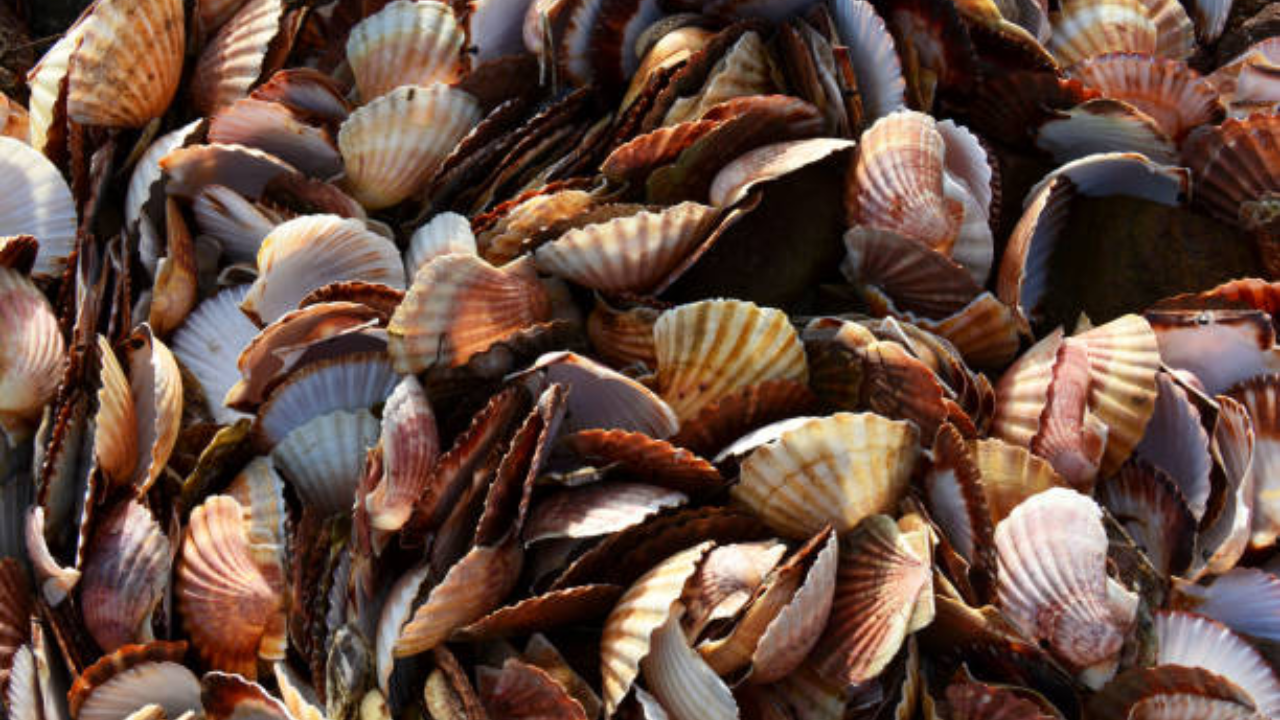
Sarufutsu, a village in Hokkaido, Japan, known for its scallop industry, faces an annual accumulation of approximately 40,000 tons of empty scallop shells. These shells, a byproduct of processing, posed an environmental concern due to their potential to leach and contaminate soil, particularly after a decline in overseas export post-2021.
Koushi Chemical Industry, leveraging bioplastic techniques from Osaka University, developed a method to convert this waste into a new material. The process involves cleaning, boiling, sterilizing, and then crushing the discarded shells into a fine calcium carbonate powder. This powder is subsequently blended with recycled plastic, including manufacturing offcuts, to create a moldable material named Shellstic. Shellstic comprises roughly one-fifth to one-half shell content and is estimated to emit 36 percent less carbon dioxide during production compared to virgin plastic.
This material is used to produce Shellmet, a safety helmet designed in collaboration with Tokyo agency TBWA/Hakuhodo. The Shellmet incorporates biomimicry, featuring a ribbed, fan-grooved surface similar to a natural scallop shell. Computer simulations indicated that this ribbed design could reduce stress on the helmet by approximately 30 percent compared to a smooth dome. Tests demonstrated that the Shellmet is about 33 percent stronger than an equivalent helmet made from ordinary plastic. The calcium carbonate in the shells acts as a reinforcing filler, stiffening the plastic matrix. While Shellmet offers a local solution for Sarufutsu's fishing association, it will not fully address the 40,000 tons of shell waste annually.