World
Netanyahu Presses Trump Daily for Iran Action as Arab Leaders Urge Diplomacy
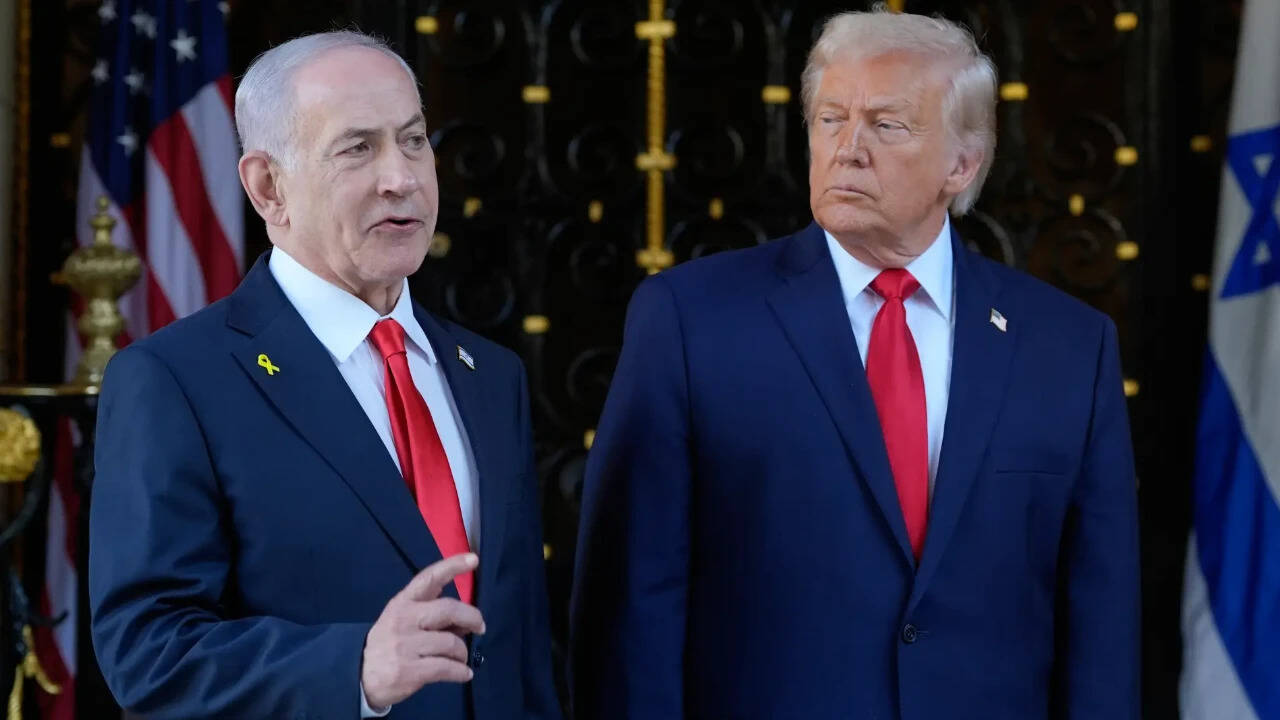
Israeli Prime Minister Benjamin Netanyahu has been calling U.S. President Donald Trump every day to urge a resumption of military action against Iran, while Arab and Muslim leaders and White House officials are working to prevent a new escalation and steer Washington toward negotiations. A source briefed on the discussions told the Financial Times that Netanyahu’s daily calls are aimed at restarting the war, and that those within the White House who oppose war are trying to counter that pressure. Regional leaders have urged Trump not to heighten the conflict and to give diplomacy more time, especially after last week’s midterm elections. In recent days, Saudi Crown Prince Mohammed bin Salman, UAE President Sheikh Mohamed bin Zayed Al Nahyan, Qatar’s Emir Sheikh Tamim bin Hamad Al Thani and Turkish President Recep Tayyip Erdogan have all spoken to the president to persuade him to prioritize diplomatic efforts.
Trump has signaled that renewed U.S. military action against Iran is unlikely for now, saying there is "positive momentum" toward ending the conflict. He made these remarks after meeting Qatari Prime Minister Sheikh Mohammed bin Abdulrahman Al Thani at the White House on Monday, a meeting that also included Vice‑President J.D. Vance. Qatar has been leading regional efforts to broker an interim agreement between Washington and Tehran. A diplomat briefed on the meeting described it as "positive," noting that diplomacy was agreed to be the preferred way forward.
Trump stated that the Iran war is "effectively over" and that a fresh U.S. attack was not necessary at this stage, though he said American forces remain ready to act if circumstances change. In a post on Truth Social, he said there was "positive momentum toward an end to this Conflict" and that the U.S. would continue to protect its interests. He also noted that Qatar, Saudi Arabia, the UAE, Bahrain, Kuwait and other countries preferred the status quo, including the continuation of the U.S. naval blockade of Iran.
The remarks come amid uncertainty over whether Trump would order new strikes after the midterm elections. The war and its impact on fuel prices were key issues for U.S. voters, with Republicans suffering major losses in the polls. Arab and Muslim leaders fear that renewed military action could plunge the region into a deeper crisis and trigger a strong Iranian response against neighboring countries.
Anwar Gargash, diplomatic adviser to the UAE president, said the priority should remain diplomatic efforts. "The priority must remain the pursuit of political diplomatic solutions capable of producing a more sustainable regional balance," he said. Gargash added that it was perhaps too early to assess the impact of the U.S. midterm election results on Washington’s approach toward Iran, but expressed hope that they would reinforce efforts to pursue diplomatic solutions and ensure stability in the Gulf.
Iran has warned it is prepared to respond to any fresh attacks and has threatened to target undersea cables in the Strait of Hormuz and data centres in the region, raising concerns that any renewed confrontation could spread beyond the immediate conflict zone.
The diplomatic push comes as mediators have struggled for weeks to break a deadlock between Washington and Tehran over an interim agreement. Both sides have been working with mediators on a proposal based on a version of a seven‑day plan presented by Iran in September. Trump had rejected the proposal.
Frequently asked questions
How often has Netanyahu been calling President Trump?
Netanyahu has been calling Trump every day to urge a resumption of military action against Iran.
What has President Trump said about renewed U.S. military action against Iran?
Trump said renewed U.S. military action is unlikely for now, that the Iran war is "effectively over," and that a fresh U.S. attack is not necessary at this stage, though forces remain ready if circumstances change.
Which Arab leaders have urged Trump to prioritize diplomacy over war?
Saudi Crown Prince Mohammed bin Salman, UAE President Sheikh Mohamed bin Zayed Al Nahyan, Qatar’s Emir Sheikh Tamim bin Hamad Al Thani, and Turkish President Recep Tayyip Erdogan have all spoken to Trump to persuade him to prioritize diplomatic efforts.