
The ongoing conflict involving the United States, Israel, and Iran continues to escalate, with missile attacks, drone strikes, and retaliatory operations reported across several parts of the Middle East.
The war, which began in late February following joint US–Israeli military strikes inside Iran, has entered its second week. According to military reports, thousands of targets have already been struck during the operation as both sides intensify their campaigns.
Iran has launched missile and drone attacks targeting Israel and several Gulf countries, raising alarms across the region. Air defence systems in countries such as the United Arab Emirates and Saudi Arabia have reportedly intercepted incoming drones and missiles aimed at key areas and energy infrastructure.
Authorities in Gulf nations have taken precautionary measures amid the rising threat. In some locations, missile sirens have sounded and passengers at major airports were directed to shelter as air defence systems responded to incoming threats.
The conflict is also affecting global energy markets. Oil prices have surged as concerns grow about potential disruptions to supply routes in the region, particularly around the Strait of Hormuz, a crucial shipping route for global oil trade.
Diplomatic tensions have also intensified. Iranian officials have stated that negotiations with the United States are no longer under consideration, while continuing missile attacks as part of their response strategy.
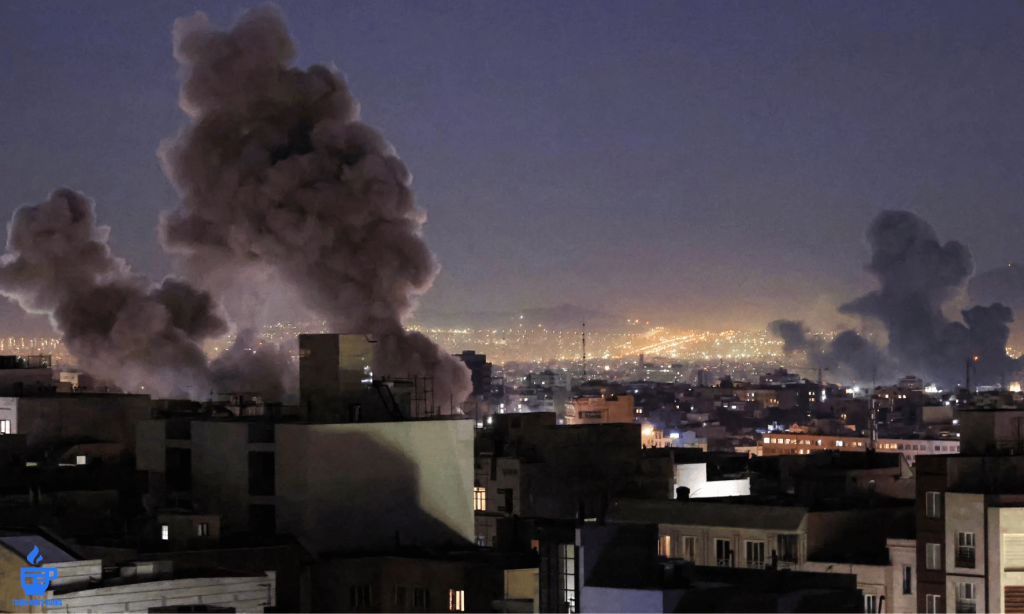
Meanwhile, international leaders and organizations have called for restraint and de-escalation, warning that further expansion of the conflict could destabilize the entire region and disrupt global markets.
As the situation develops, governments and markets worldwide remain closely watchful, with concerns about security, energy supplies, and international stability continuing to dominate global attention.

