
On World Obesity Day 2026, the World Obesity Atlas revealed alarming statistics about childhood obesity in India, where the country now ranks second worldwide in terms of the number of obese children. The report draws attention to the rapid increase in obesity rates among Indian children, underscoring the urgent need for preventive measures and public health interventions.
The report cites that India’s childhood obesity numbers have surged in recent years, with unhealthy diets, sedentary lifestyles, and lack of physical activity contributing to the crisis. This growing trend places children at a higher risk for serious health conditions, including Type 2 diabetes, heart disease, and hypertension at a young age.
In addition to dietary factors, experts also point out the role of increased screen time, limited outdoor play, and changes in social habits as contributing factors to the rise in childhood obesity. These habits have led to a generation of children who are less physically active and more prone to developing long-term health issues.
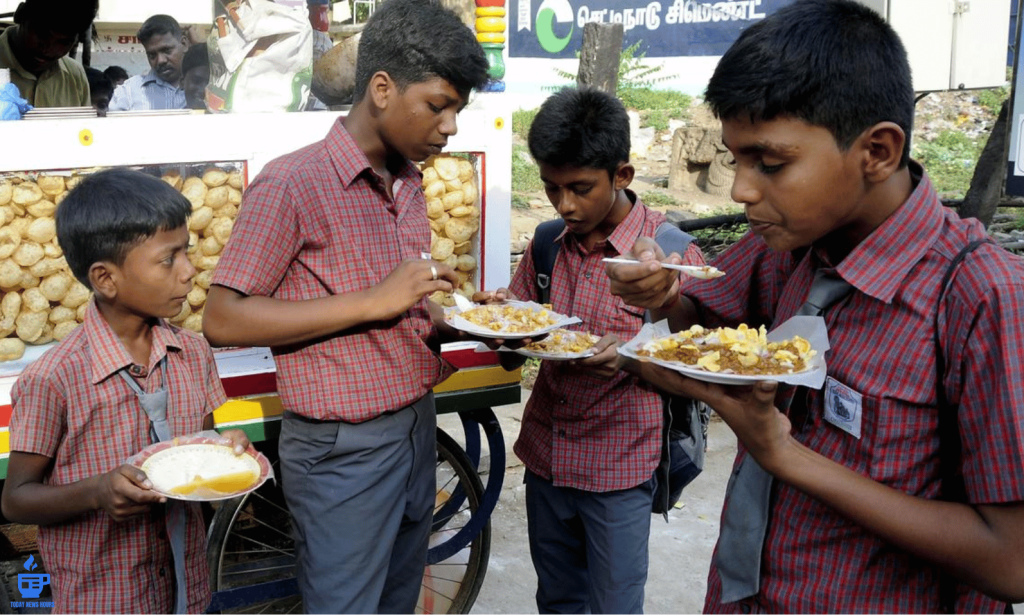
The latest data from the World Obesity Day Atlas 2026 is a wake-up call for the nation, with public health authorities urging for a multi-faceted approach to tackle this growing problem. These recommendations include promoting better eating habits in schools, increasing physical activity in children, and encouraging healthier food options at home and in communities.
India’s position as the second-worst country for childhood obesity highlights the scale of the health challenge it faces. It’s imperative that the government, health organizations, and families work together to reverse these trends and create a healthier environment for children.

