Technology
Google Creates Isolated ‘Mirror Dimension’ Web to Safely Train Gemini‑Powered Browsing Agents
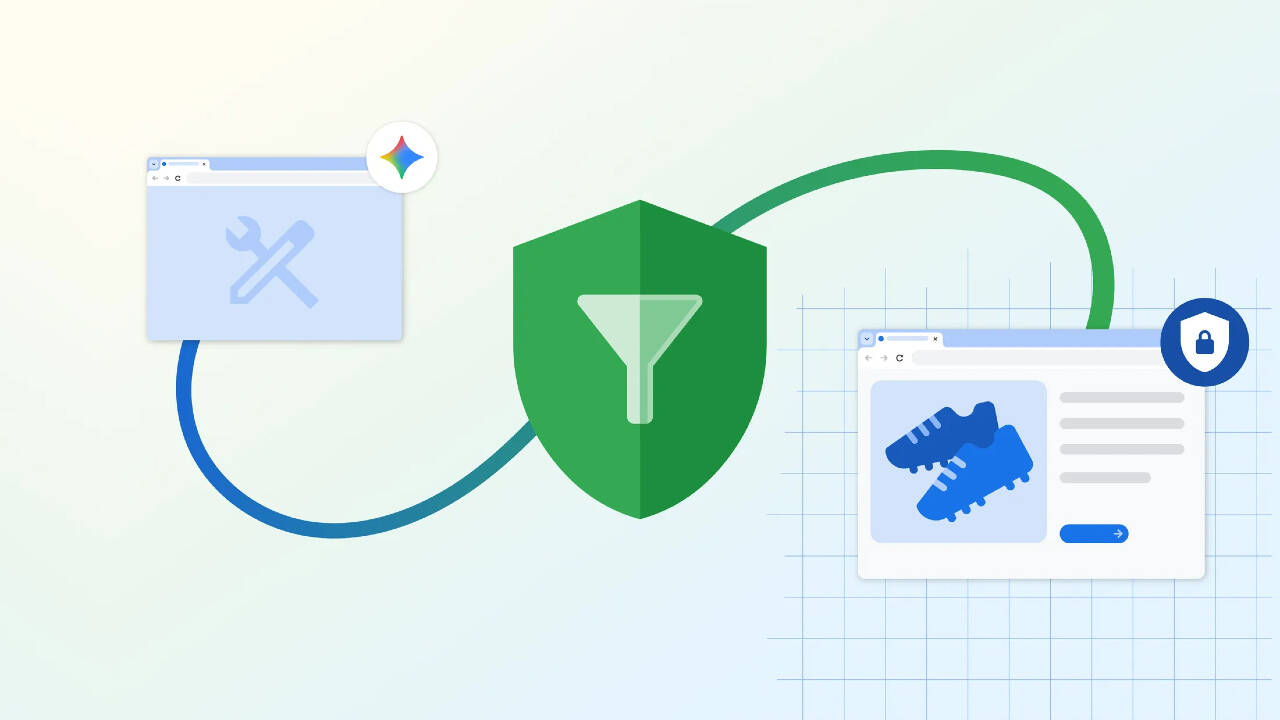
Google has built an expansive, isolated alternate‑universe internet called the “Mirror Dimension” to keep its upcoming Gemini‑powered browser features from malfunctioning on the open web. The synthetic environment is designed to train and stress‑test AI browsing agents under full control. The Mirror Dimension addresses a key problem in AI development: web‑use agents must learn to navigate real sites and defend against online attacks, but limited test environments are too narrow and can cause models to develop “eval awareness,” changing their behaviour when they realise they are in a basic simulation. Releasing unrefined agents onto the live internet also poses clear risks. Rick Osterloh, Google’s devices head, wrote, “Welcome to the Mirror Dimension. Great to see the Chrome team openly share how they stress‑test auto browse in a hermetic, synthetic web. Hope this helps everyone building agents!”
The Mirror Dimension is a sweeping, diverse, yet completely isolated web ecosystem built with all the components and attributes of real websites, including social media platforms, online shopping portals and banking dashboards. Inside this environment, browsing assistant agents interact with pages and complete tasks inside Chrome just as they would on the open internet. To populate a world vast and varied enough to mirror the real web without taking years to build, the Chrome team deployed armies of website and web app development agents guided by a purpose‑built AI harness. These automated builders generated realistic services and user flows, right down to entering promo codes on shopping sites and filling out social media pages.
As AI agents navigate this synthetic internet, they face a gauntlet of real‑world safety and security challenges. Agents are subjected to resilience tests designed to trick them into leaking data or taking unintended actions, hardening their defenses before they ever touch real user accounts. According to Charles Qian, a software engineer on the Chrome AI security team, agents are not hard‑coded for every scenario, making thorough exploration essential because “the exploration space that we have to address is huge and the web is hostile.” Qian noted that agents are beginning to show mature judgment, learning what information is genuinely required for a task and when to pause and ask the user for confirmation.
Running the agents inside the actual Chrome browser rather than a stripped‑down mock‑up presented an unexpected hurdle: Chrome’s built‑in user protections and validity checks blocked the fake websites. To give the agents an authentic browsing experience, the team essentially had to hack the browser and take elaborate steps such as generating forged web certificates to pass validity checks. Google emphasised that none of these workarounds could ever be used against everyday Chrome users on the open internet; they were only possible because researchers held “god‑mode” privileges across an environment and network they entirely controlled.
While the browsing assistants currently being tested are benign and lack cyber capabilities, Google plans to open up the Mirror Dimension to other internal teams so more researchers can test AI systems in a safe, controlled sandbox.
Frequently asked questions
What is the Mirror Dimension?
An isolated alternate‑universe internet built by Google to train Gemini‑powered browsing agents in a controlled environment.
Why does Google test agents in the Mirror Dimension instead of on the open web?
Because limited test environments can cause models to develop eval awareness, and releasing unrefined agents onto the live internet poses clear risks.
How does the Mirror Dimension mimic real websites?
It includes social media platforms, online shopping portals, banking dashboards, and uses automated builders guided by AI to generate realistic services and user flows, such as entering promo codes and filling social media pages.