Politics
Akhilesh Yadav Criticises BJP Over Delimitation Bill, Calls It ‘Election‑First’ Move
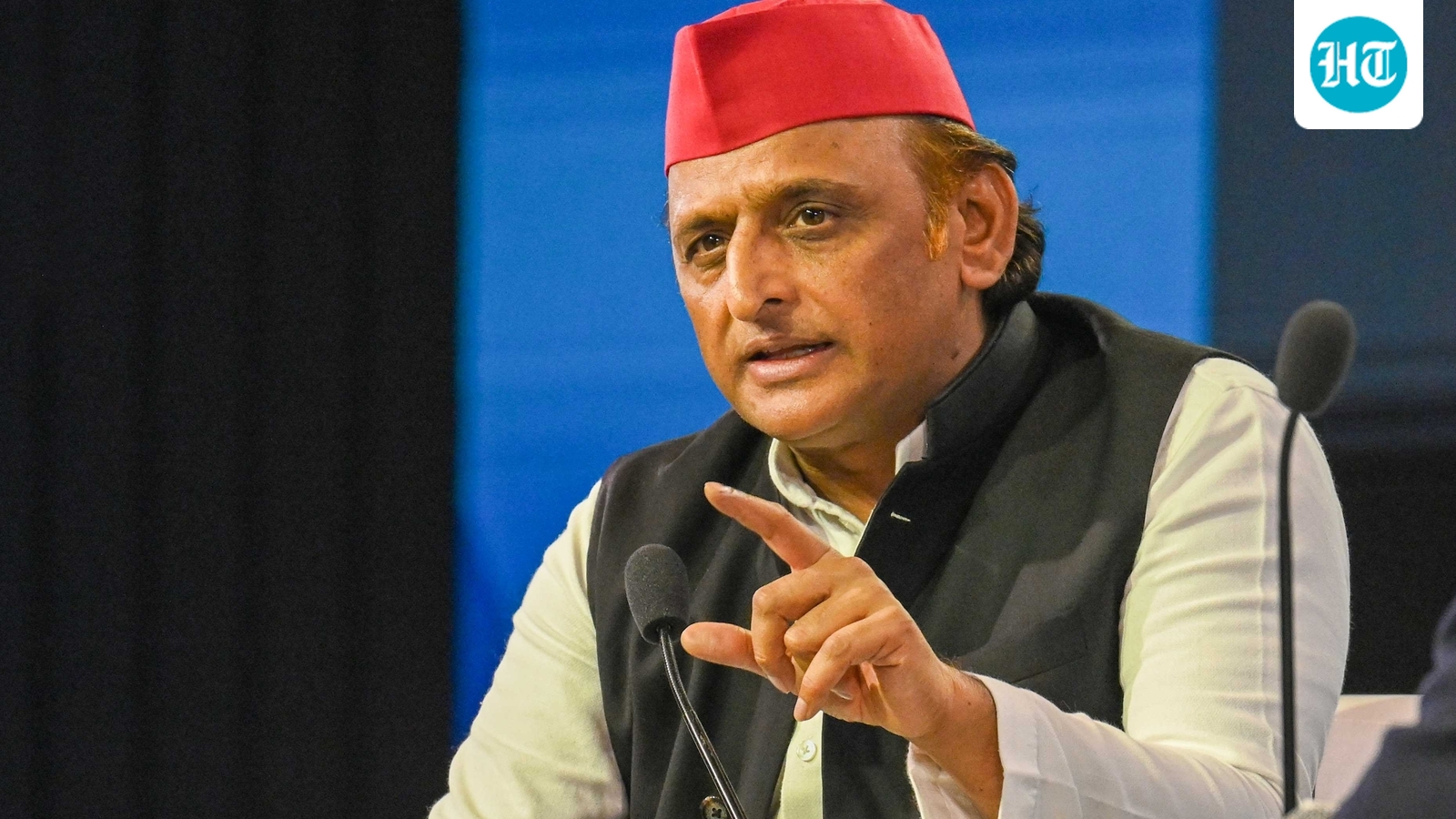
Samajwadi Party chief Akhilesh Yadav criticised the Bharatiya Janata Party for prioritising electoral interests over national priorities after the Centre announced a Delimitation Bill for Parliament’s upcoming Special Session. In a post on X, Yadav said, “For the BJP, elections are everything, not the country. That’s why it cares about the boundaries of Lok Sabha constituencies, not the country’s borders.” He described the move to bring the bill before Parliament as the BJP’s biggest mistake.
The proposed package, approved by the Union Cabinet, would increase the Lok Sabha from 550 to 850 seats and raise state assembly strengths to a maximum of 650 seats. It also includes a 33 percent reservation for women and a freeze on seat allocation until 2051. Uttar Pradesh’s assembly would grow from 403 to 650 seats.
Uttar Pradesh chief minister Yogi Adityanath welcomed the Cabinet’s decision, praising Prime Minister Narendra Modi for advancing the Women’s Reservation Bill. Adityanath said the bill would enable a 33 percent reservation for women by 2029 and thanked the Union Cabinet for passing the Delimitation Bill.
The plan would use the 2011 Census for delimitation and constituency readjustment, while the 1971 Census would remain the basis for determining each state’s share of parliamentary seats. The package contains two Constitution Amendment Bills and one Union Territories Amendment Bill, including the Constitution (One Hundred and Thirty‑First Amendment) Bill that changes seat allocation among states.
Frequently asked questions
How many seats will the Lok Sabha have after the Delimitation Bill?
The bill would increase the Lok Sabha from 550 to 850 seats.
What reservation for women is included in the bill?
The bill includes a 33 percent reservation for women.
Which census data will be used for delimitation?
The plan would use the 2011 Census for delimitation and constituency readjustment, while the 1971 Census would remain the basis for determining each state's share of parliamentary seats.