Politics
Italy Approves School Ban on Burqas and Niqabs, Limits Foreign Students to 30%
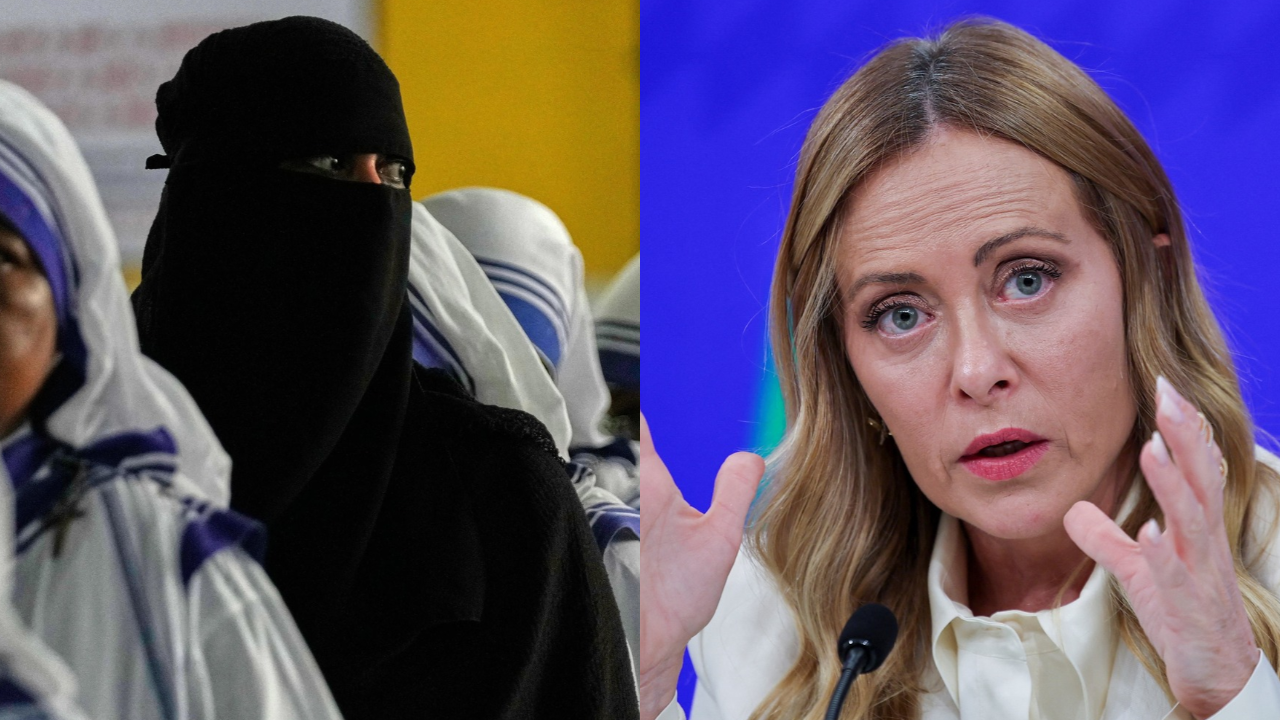
Italy has passed a new education law that bans face coverings in schools and caps the proportion of students of foreign origin in first‑year classes at 30%. The Chamber of Deputies approved the measure with 142 votes in favour, 112 against and four abstentions; the Senate had already approved it on November 20. The law, part of Decree‑law 170 of September 30, 2026, also requires Italian language courses for foreign parents whose children struggle to integrate. The ban applies to burqas and niqabs, but the 30% limit does not affect students who already have adequate Italian language skills. Opposition lawmakers protested in the chamber, holding a sign that read “At school nobody is a foreigner.” The new rules follow a 2010 ministerial circular that set a similar limit but was rarely enforced. Prime Minister Giorgia Meloni said the restrictions were necessary to prevent Italian students from becoming minorities in their own classrooms. The legislation comes amid broader European restrictions on face coverings and ahead of Italy’s next‑year elections, as migration remains a contentious issue.
Frequently asked questions
What face coverings are banned in Italian schools under the new law?
The law bans burqas and niqabs in schools.
How many foreign‑origin students are allowed in first‑year classes?
The law caps the proportion of foreign‑origin students in first‑year classes at 30%.
What additional requirement does the law impose on foreign parents?
The law requires Italian language courses for foreign parents whose children struggle to integrate.