India
Bihar Introduces iPads for Cabinet Officials in Paperless Initiative
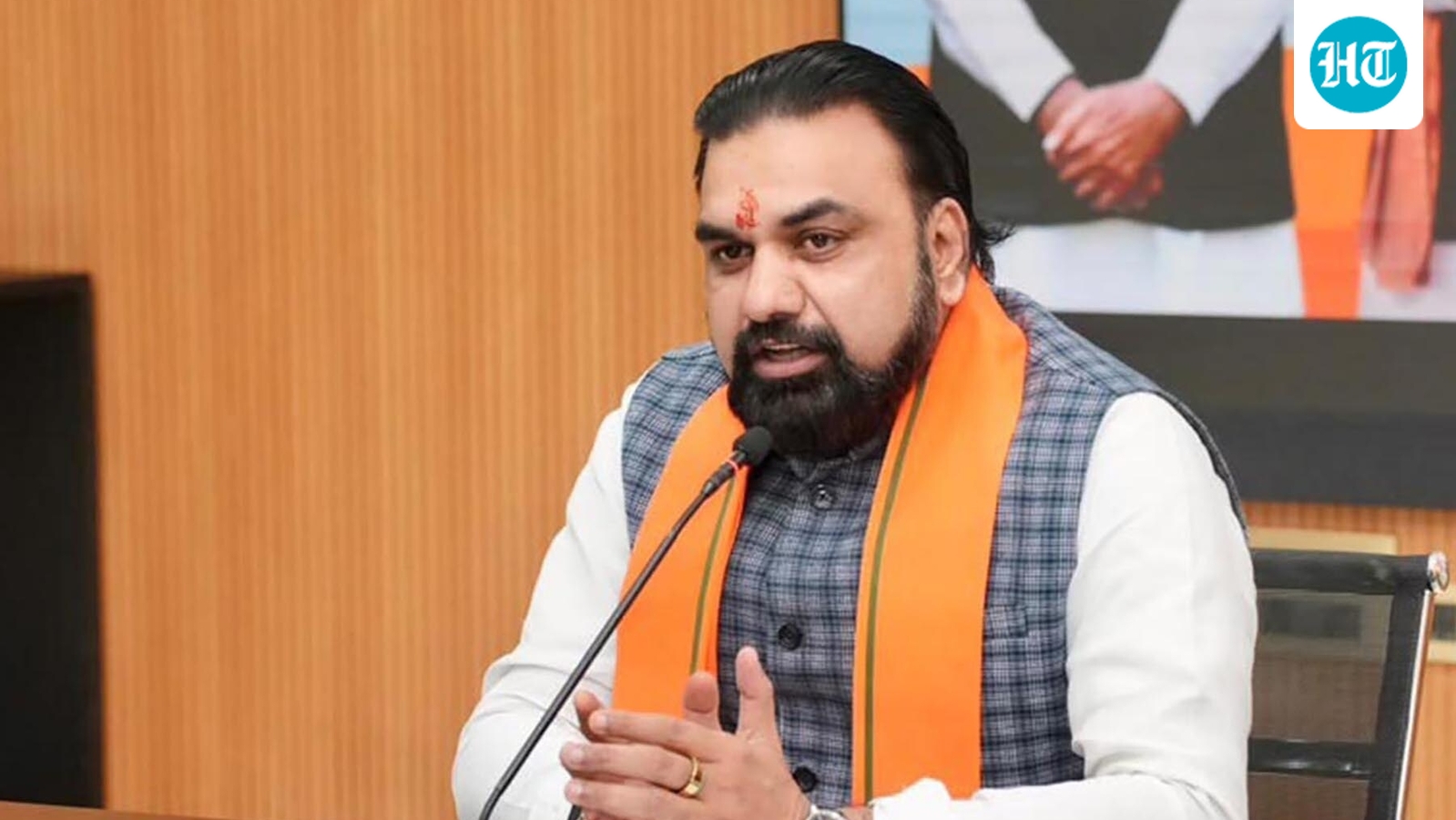
The Bihar government has issued the latest iPad models to the chief minister, deputy chief ministers, all ministers, the chief secretary, the additional chief secretary (cabinet), secretaries to the CM and several other key officers for official work. The move, which cost the state more than ₹2.20 crore, is part of a paperless strategy that officials say could be recovered through savings on paper, printing and manual file handling within six to seven months. Chief Minister Samrat Choudhary chaired the first paperless meeting of the council of ministers in Patna on Wednesday.
The e‑cabinet system, developed by the National Informatics Centre (NIC), runs on authorised iPads managed by the cabinet secretariat department. After about one and a half months of trial runs and training sessions, the platform was activated at the latest cabinet meeting. The same application, with limited features, can also be accessed on designated Android laptops, according to Additional Chief Secretary (Cabinet) Arvind Kumar Chaudhary.
A senior cabinet secretariat officer noted that ministers already receive advanced laptops from their departments, but a senior cabinet minister said most ministers rarely use these devices themselves; personal assistants handle the iPads and laptops in practice, despite the training sessions.
For the time being, hard copies of agendas will continue to be distributed for the next few weeks before physical files are phased out completely. "Both systems of the cabinet meeting, physical as well as e‑cabinet, will run concurrently for the next few weeks before finally discontinuing the presentation of hard copies," the ACS said.
Bihar is the 12th state to shift cabinet proceedings online. The first e‑cabinet meeting cleared 34 proposals, including a major administrative sanction for the Patna water supply project under AMRUT 2.0. The digital push in the executive comes against the backdrop of similar changes already underway in the legislature. Under the National e‑Vidhan Application (NeVA), tablets have been installed on the desks of members in both Houses. The Bihar Legislative Council was among the early adopters, with devices installed at every member's seat several years ago. In the Assembly, tablets have also been installed as part of the paperless push, including at the desks of ministers who are members of the House. However, a nodal officer of the Assembly clarified that ministers were not given additional personal devices beyond those provided during the initial phase of the Council's digital rollout.
The e‑cabinet is the latest addition to Bihar's gradual shift towards digital governance. Whether the gadgets become tools of greater efficiency or remain largely in the hands of personal staff will become clearer in the weeks ahead, as the paper‑based and digital systems continue to operate in parallel.
Frequently asked questions
How much did the iPad rollout cost?
The rollout cost more than ₹2.20 crore.
How many proposals were cleared in the first e‑cabinet meeting?
The first e‑cabinet meeting cleared 34 proposals, including a major administrative sanction for the Patna water supply project under AMRUT 2.0.