Cyber Awareness
Election Commission Secures Website After Voter Data Exposure Flaw Identified
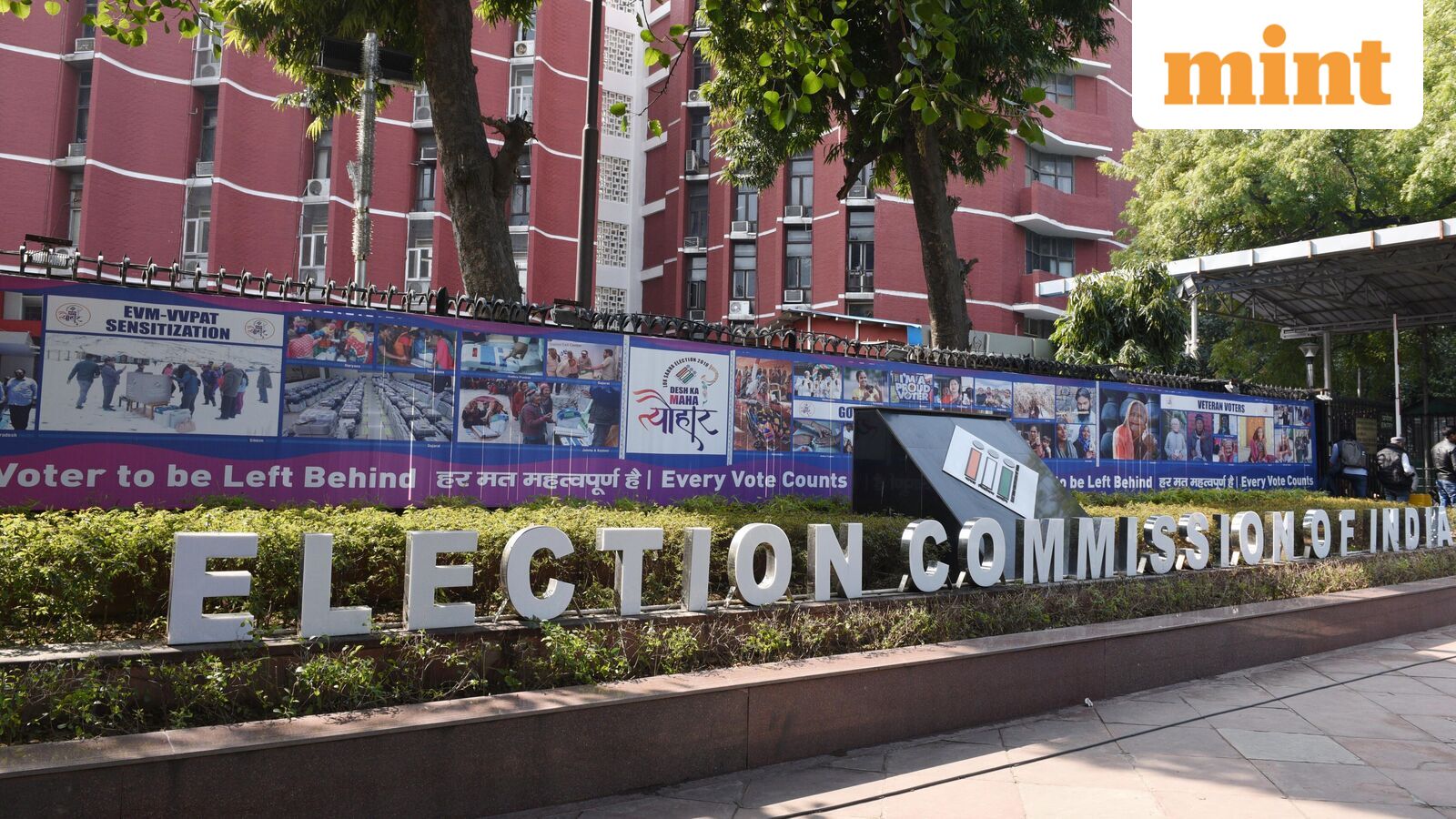
The Election Commission of India (ECI) has addressed a security flaw on its website that allowed access to sensitive personal information and identity documents of registered voters. Reuters uncovered the vulnerability during a month‑long investigation and reported it to the commission on 26 October 2026. The weakness let users view voters’ names, phone numbers, email addresses, dates of birth, residential addresses and file paths to uploaded identification documents through the browser’s developer tools. The issue was linked to the call‑booking system launched in June 2025, which lets voters request a call from their electorate officer. When voters logged in and used the system, the network tab displayed a reference number from their registration or update form. Reuters found that these reference numbers, which followed a predictable sequence, could be used to retrieve additional personal details and document paths that were not shown on the main page. Indian security researchers Karan Saini and Ehraz Ahmed confirmed the flaw and warned that cybercriminals could download identity documents such as passports and national identity cards using publicly available tools and basic coding. A Reuters reporter was able to download a copy of his own national identity document following the same steps. The server was attempting to verify a user’s login status but failed to confirm authorization for specific documents, according to Saini. Reuters could not determine whether the vulnerability had been exploited, its duration, or the number of voters affected. The commission was first contacted on 26 October, but did not respond to repeated requests. On 26 November, an ECI spokesperson said the IT division had examined the issue, and hours later Reuters and the researchers confirmed that the vulnerability had been fixed. The method to access sensitive information or document paths is no longer available. Congress spokesman Pawan Khera described the revelations as “deeply alarming” and warned that exposed data could be used for intimidation, profiling and voter suppression. Former election commissioner Ashok Lavasa said the exposure was accidental. The ECI’s website privacy statement notes that no system is 100% secure. The incident follows a similar concern reported in 2019, when researcher Karan Saini found that the commission’s online voter search portal exposed personal information through the browser’s network tab.
Frequently asked questions
What personal information was exposed by the ECI website flaw?
The flaw allowed users to view voters’ names, phone numbers, email addresses, dates of birth, residential addresses, and file paths to uploaded identification documents via browser developer tools.
How was the vulnerability discovered and fixed?
Reuters uncovered the vulnerability during a month‑long investigation, reported it to the commission on 26 October 2026, and after the ECI IT division examined the issue on 26 November, the flaw was fixed within hours.