Cyber Awareness
GTA 6 Hacker Sentenced to 7 Years, Released on Licence with Strict Online Restrictions
By Today News Hours Editorial Desk
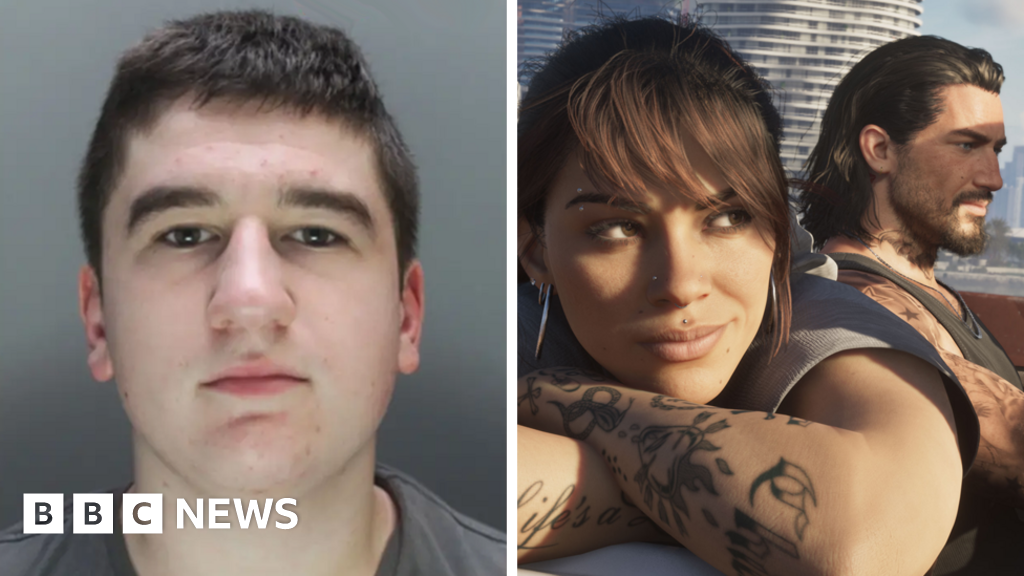
A cyber criminal who hacked Rockstar Games, the maker of Grand Theft Auto, was sentenced to seven years in prison and released on licence on the same day. Arion Kurtaj, 21, from Oxford, was freed from custody after the judge warned him: "Don't let this happen again." Kurtaj, who had pleaded guilty last Monday at Woolwich Crown Court, had carried out a series of hacks when he was 16 and 17 years old with the hacking gang Lapsus$. He had previously been placed in a secure hospital because of the severity of his autism, but was later deemed fit to stand trial and moved to a normal prison in January.
The judge considered his hospital stay and remand in prison to be sufficient and imposed a Serious Crime Prevention Order that will last five years. The order restricts his online activity and bans him from using Telegram and Discord.
City of London Police said the case "highlights the dangers that young people can end up being drawn to online". While on bail and under police protection in a Travelodge in Bicester, Kurtaj hacked Rockstar Games, Revolut and Uber. He was protected from rival hackers who had threatened him over stolen Bitcoin.
Kurtaj used an Amazon Fire Stick, a Bluetooth keyboard and mouse to hack Rockstar from his hotel room. He stole internal company data, including 90 clips showing nearly 60 minutes of gameplay from the unfinished GTA 6, and broke into the company’s internal Slack messaging system. He threatened to release the source code if Rockstar did not contact him on Telegram within 24 hours. When the company refused, he posted the clips and source code on a forum under the username TeaPotUberHacker.
Rockstar Games said the hack cost the firm £5 million ($5 m) to recover and required thousands of hours of staff time. The breach also revealed for the first time that one of the playable characters in the game was a woman, a secret the company had kept closely for marketing purposes.
During sentencing, Kurtaj stood and smiled. He wore a suit and a buttoned‑up white shirt without a tie, had short hair and an unkempt beard, and blinked frequently. Judge Mr Justice Turner told him he was a very talented young man and warned him: "Don't let this happen again."
Kurtaj’s defence team said his autism spectrum disorder led him to find the online world a more comfortable way of interacting. They said he was exposed to people who showed him how to cheat at games and later to people involved in hacking. During the pandemic he was isolated and found a sense of community and self‑worth through Lapsus$.
The gang’s other hacks on BT/EE, Revolut and Uber used social engineering techniques to gain access to internal systems. In a previous Uber hack, Kurtaj posted a picture of a penis as part of his attempts to force the company to pay a ransom. The hacks are estimated to have caused around £10 million of damage. Using the stolen data, Kurtaj and other gang members targeted cryptocurrency investors, and the prosecution argued that the gang stole at least $300,000 ($230,000) from individual victims.
Kurtaj also pleaded guilty to physical assaults on workers while in custody, including multiple biting incidents. In prison he was caught with a mobile phone after sending a taunting text message to police and posting updates on Snapchat.