India
CPI(M) Criticises Kerala Govt Over Jail Newspaper Ban
By PTI
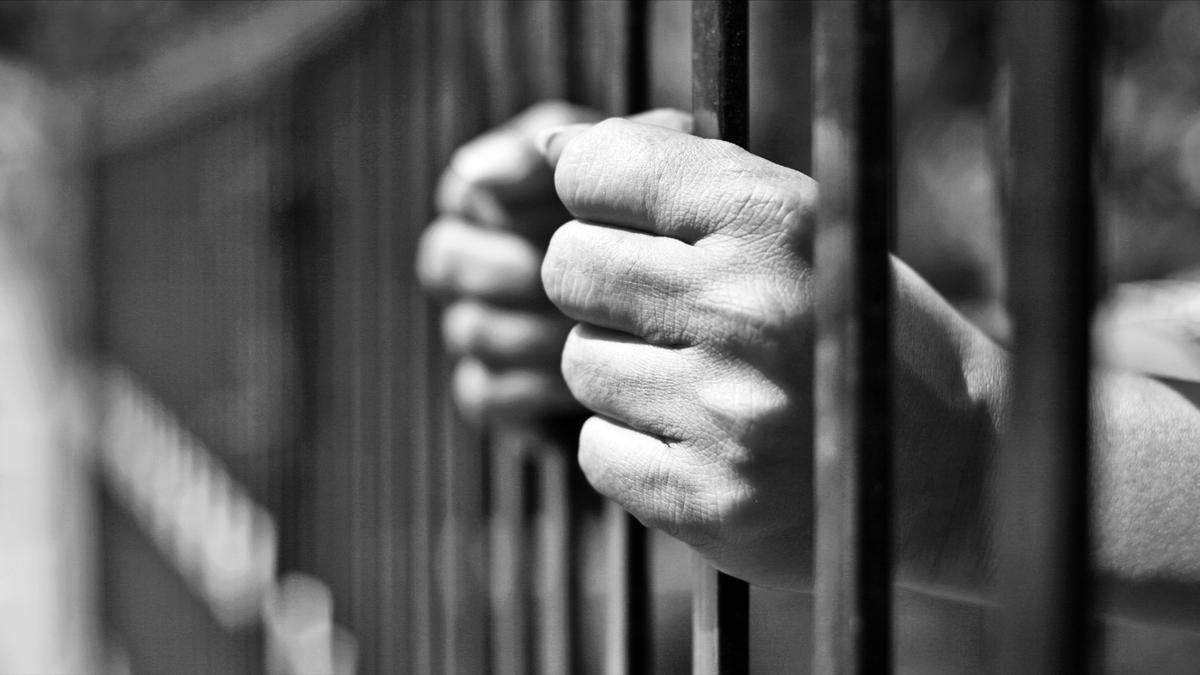
The CPI(M) on Friday sharply criticized the Congress‑led Kerala government for stopping the distribution of political party‑affiliated newspapers in jails. Senior party leader M V Jayarajan told reporters in Kannur that a circular from the Director General of Prisons had directed prisons to cease purchasing and distributing newspapers, including Deshabhimani, the CPI(M)’s mouthpiece. He questioned whether a “super Emergency” had been declared in Kerala and asked Chief Minister V D Satheesan and Home Minister Ramesh Chennithala to clarify. Jayarajan noted that during the 1975 Emergency, Deshabhimani and other newspapers were still allowed in state prisons, though some reports were blacked out to prevent inmate access. He described the current ban as a “primitive” move and pointed out that prison rules allow newspapers sent to inmates by friends or relatives through sponsorships to be provided. He said the restriction contradicted these rules and implied the Director General would not have issued the circular without the home minister’s knowledge. The criticism came after the Kerala Prisons and Correctional Services Department directed all jails in the state to stop purchasing and distributing newspapers and publications affiliated with political parties. In a Thursday circular, Director General of Prisons S Sreejith stated that correctional institutions should ensure that news and information available to inmates are objective, truthful and free from political bias, and that publications serving as mouthpieces of political parties or organisations were not appropriate for distribution in prisons. Published – November 27, 2026 02:31 pm IST
Frequently asked questions
Who criticized the Kerala government for banning political newspapers in jails?
CPI(M) senior leader M V Jayarajan.
What did the Director General of Prisons say in the circular about newspaper distribution?
That news and information available to inmates should be objective, truthful, free from political bias, and that publications serving as mouthpieces of political parties or organisations were not appropriate for distribution.