India
NGT Amicus Highlights Major Gaps in Kerala’s Waste Management
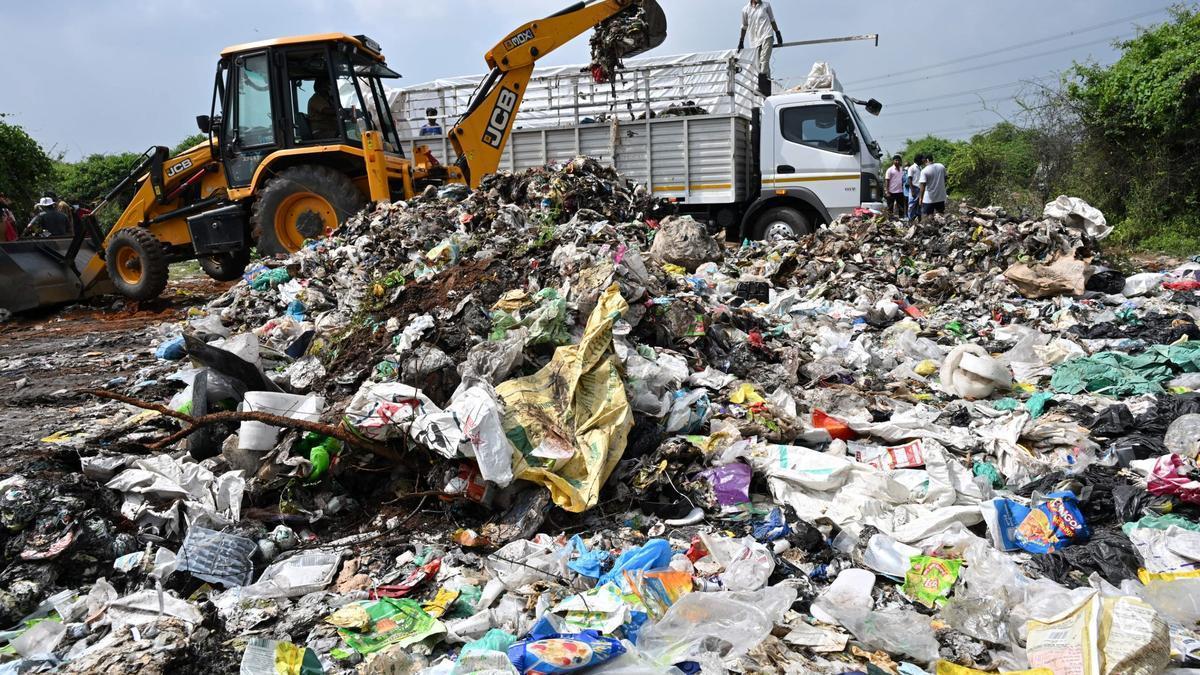
A report filed by an amicus curiae appointed by the National Green Tribunal (NGT) identified significant shortcomings in Kerala’s solid and liquid waste management. The observation note, dated 24 November 2026, was submitted in a case concerning compliance with the Municipal Solid Waste Management Rules, 2016 and other environmental matters in the state. The amicus based its findings on affidavits and compliance reports from authorities.
The report noted that roughly 80 % of sanitary waste is not scientifically treated. Of the 203.66 tonnes of sanitary waste generated daily, only 42.1 tonnes per day are treated. Even after all projects are completed, the treatment capacity would reach 113.25 tonnes per day.
It also highlighted that inert waste is being used for land‑filling without safeguards. According to a government report cited, about 404.8 tonnes per day of inert waste is used to fill hilly areas, stadiums, railway platforms, yards and road embankments. No register of sites, test reports or approvals is provided. The amicus warned that given the state’s wetlands and landslide‑prone slopes, this practice requires strict control.
Regarding illegal drains discharging untreated sewage into streams and water bodies, action has been taken in only four districts—Kollam, Ernakulam, Alappuzha and Kottayam—according to the government affidavit. Of the 723 illegal outlets in these districts, 671 are in Ernakulam alone.
The total quantity of processed and unprocessed legacy waste rose from 19.54 lakh metric tonnes in December 2025 to 19.6 lakh metric tonnes in July 2026. The gap between total sewage generated and treated is 3,901.2 million litres daily, indicating a serious concern.
The amicus recommended a sample‑based functional audit of composting bins and biogas plants, commissioning the four regional sanitary waste treatment plants by a fixed date, and maintaining a register of every site where inert waste is used for filling, including test reports and approvals. It also suggested preparing a GIS‑mapped inventory of drains, streams and storm‑water channels carrying sewage into rivers, backwaters, ponds and the sea.
Published – 27 November 2026 03:09 pm IST
Frequently asked questions
How much of Kerala's sanitary waste is untreated?
Roughly 80% of the 203.66 tonnes of sanitary waste generated daily is not scientifically treated.
How many illegal sewage outlets are there in Kerala, and which district has the most?
There are 723 illegal outlets in four districts, with 671 located in Ernakulam.
What is the daily gap between sewage generated and treated in Kerala?
The gap is 3,901.2 million litres per day.