World
US Tariffs Threaten China+1 Supply‑Chain Strategy, Impacting India and Other Alternatives
By Bhanu Pratap
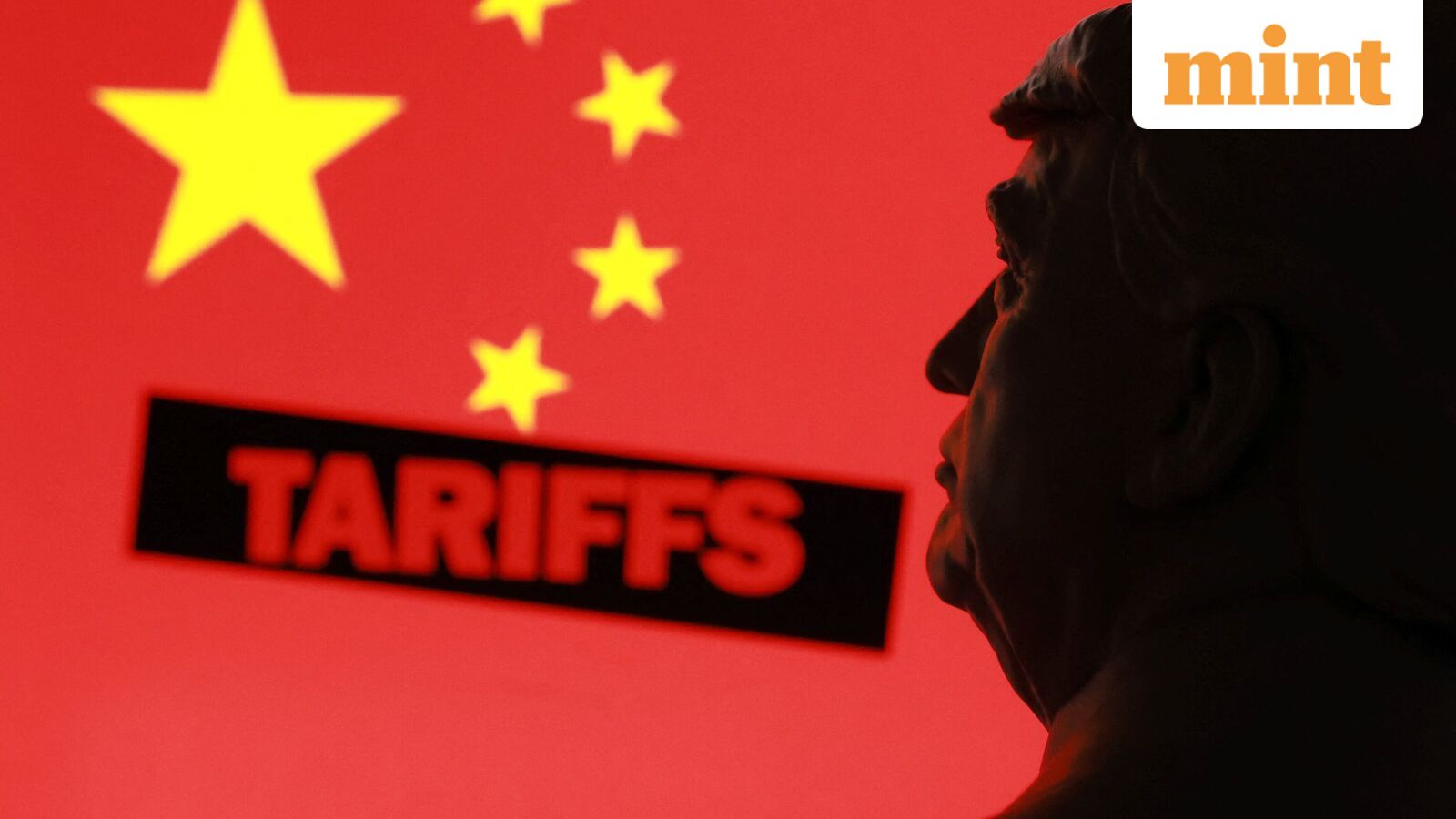
The China+1 strategy, which keeps manufacturing in China while adding production in at least one other country, has become a central tool for companies and governments seeking to diversify supply chains without abandoning China entirely. Potential partner countries include India, Vietnam, Indonesia, Malaysia, Thailand and Mexico, offering new markets and reduced geopolitical risk.
The United States is now considering tariffs on several of these alternative partners. The Trump administration has proposed up to 25 % duties on certain Indian exports, with a possible reduction to 17 % if a trade agreement is reached. Similar tariffs of 18 % are proposed for Bangladesh, Cambodia and Thailand, and 20 % for China and Vietnam, subject to existing trade arrangements.
These measures stem from an eight‑month investigation into alleged unfair trade practices and excess industrial capacity, during which the U.S. Trade Representative’s findings cited China more than 250 times in the Vietnam assessment and more than 300 times in the European Union assessment. The goal is to prevent Chinese goods from reaching the U.S. market through third countries, thereby undermining efforts to reduce dependence on Chinese manufacturing.
Trump’s proposed increase of 20 percentage points to the 25 % duties already imposed on China would raise the total tariff to 45 %, though this remains subject to the current U.S.–China trade understanding. The administration’s broader tariff strategy also includes a 20 % increase on China and Vietnam, and a 25 % tariff on India under the Section 301 investigation into industrial overcapacity.
India could benefit from the shift in global manufacturing as firms seek alternatives to China, but the tariff uncertainty and the terms of trade agreements may affect the country’s attractiveness. Some products would be excluded from the proposed duties, and a trade agreement could lower the rate to 17 %.
The U.S. has also faced retaliation from China, including export controls on rare earth elements, which are critical to automotive and defense industries. Negotiations between the two leaders have helped stabilize relations, with China suspending certain rare‑earth export controls and a Chinese airline agreeing to purchase Boeing 737 MAX 8 aircraft.
Economist Mark Williams of Capital Economics noted that the new measures could give Washington additional leverage if trade tensions resume. The China+1 strategy was built on the premise that companies could diversify manufacturing while maintaining ties to China, but the expanding U.S. tariff approach is complicating that balance.
Frequently asked questions
What tariffs has the US proposed on Indian exports?
The Trump administration has proposed up to 25 % duties on certain Indian exports, with a possible reduction to 17 % if a trade agreement is reached.
Which countries are subject to 18 % tariffs?
Bangladesh, Cambodia and Thailand are proposed to face 18 % tariffs.
What is the goal of the US tariff measures?
The measures aim to prevent Chinese goods from reaching the U.S. market through third countries, thereby undermining efforts to reduce dependence on Chinese manufacturing.