Business & Finance
India’s Exporters Warn US Tariff Proposal Could Undermine Competitive Edge
By Harsh Kumar
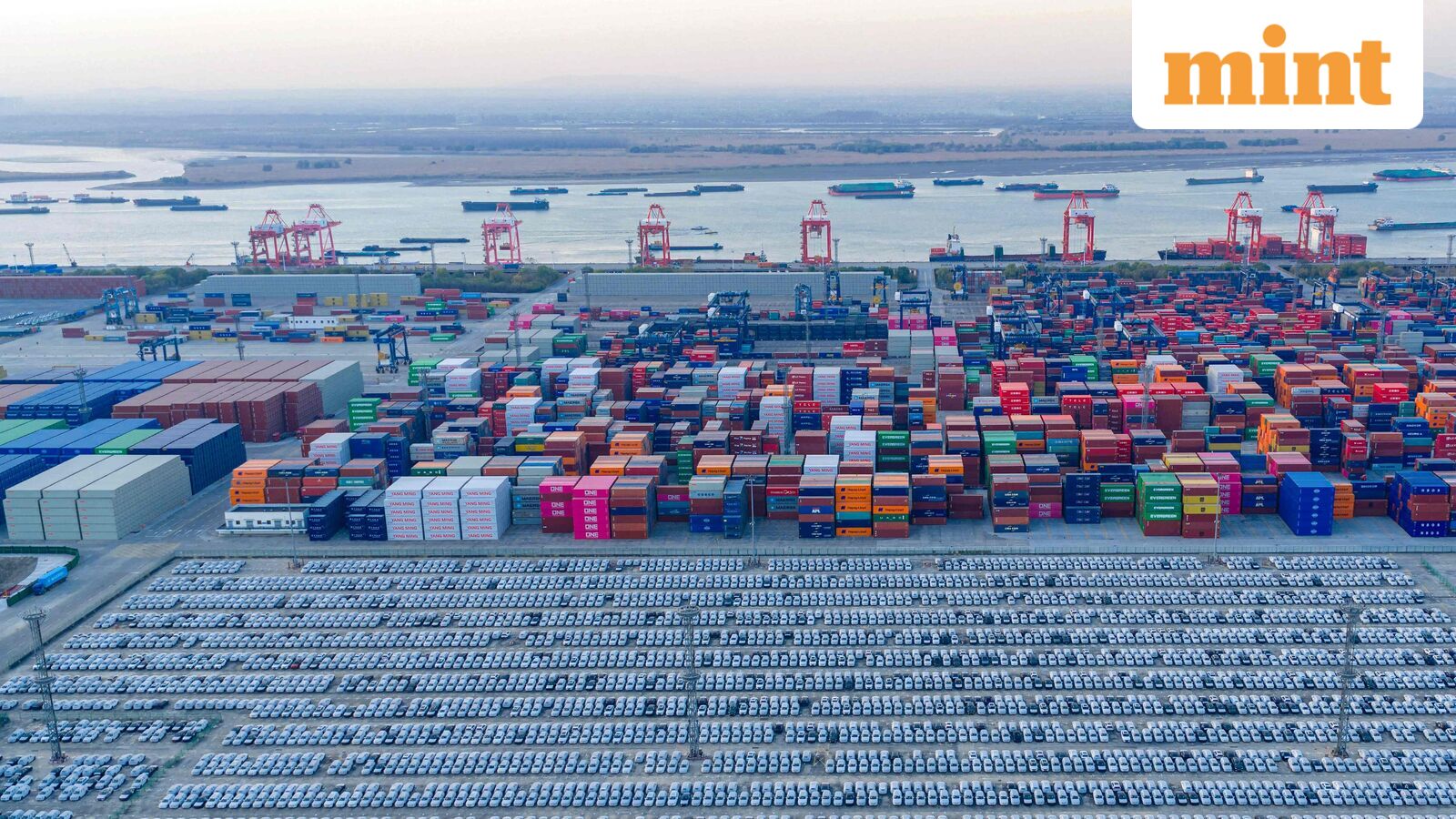
Industry leaders say uncertainty over a proposed US tariff structure could erode India’s advantage in the American market, even as Indian merchandise exports grew strongly in October. Pankaj Chadha, chairman of the Engineering Export Promotion Council (EEPC) India, noted that a 17% reciprocal tariff under a potential trade agreement may not give India a significant edge over rivals that face tariffs of about 18%. He added that the situation is dynamic as negotiations continue.
The U.S. Trade Representative (USTR) has proposed additional duties of up to 25% on Indian goods, which could be lowered to 17% if a reciprocal trade agreement is reached. The tariffs are not yet in effect. The USTR is accepting public comments until 5 January 2027, with hearings scheduled to begin on 25 January. Industry representatives expect the final tariff structure to be clarified by the end of January.
The investigation cites potential excess capacity or export surpluses in seven sectors: solar modules, petrochemicals, steel, textiles, health‑related goods, construction materials and automotive products. Exporters fear that if rival countries receive lower tariffs, India’s competitive position could weaken.
India’s largest export market is the United States, which accounts for about a fifth of its merchandise exports in FY26. In October, Indian merchandise exports rose 45.06% year‑on‑year to $49.47 billion, and overall exports (merchandise and services) grew 29.90% to $89.99 billion. Exports to the U.S. increased 39% during the month.
Engineering goods exports to the U.S. surged 61% year‑on‑year in October 2026, with the U.S. remaining the largest destination for Indian engineering goods.
India has disputed the allegation of structural excess capacity. The commerce and industry ministry said it had taken note of the USTR’s determination and was examining the notice, reiterating that India does not have structural excess capacity in any sector.
The Federation of Indian Export Organisations (FIEO) president SC Ralhan called for a balanced and reciprocal deal that safeguards India’s long‑term interests and ensures a level playing field. He urged clarity on how the proposed duties would interact with existing Section 301 and Section 232 levies and how product‑specific exemptions would apply.
Economists and trade experts warn that the proposed duties could leave India with only a marginal advantage over several Asian economies if a trade agreement is concluded. The tariffs would be in addition to the usual most‑favoured‑nation tariffs, subject to adjustments and exemptions outlined by the USTR.
Frequently asked questions
What US tariff rates are being proposed for Indian goods?
The USTR has proposed duties of up to 25% on Indian goods, which could be lowered to 17% if a reciprocal trade agreement is reached.
When will the final tariff structure be clarified?
Industry representatives expect the final tariff structure to be clarified by the end of January.
Which sectors are cited as having potential excess capacity?
The investigation cites potential excess capacity or export surpluses in seven sectors: solar modules, petrochemicals, steel, textiles, health‑related goods, construction materials, and automotive products.