India
Supreme Court Declines to Enforce ₹9.25 Lakh Settlement in Sexual Exploitation Case, Grants Divorce
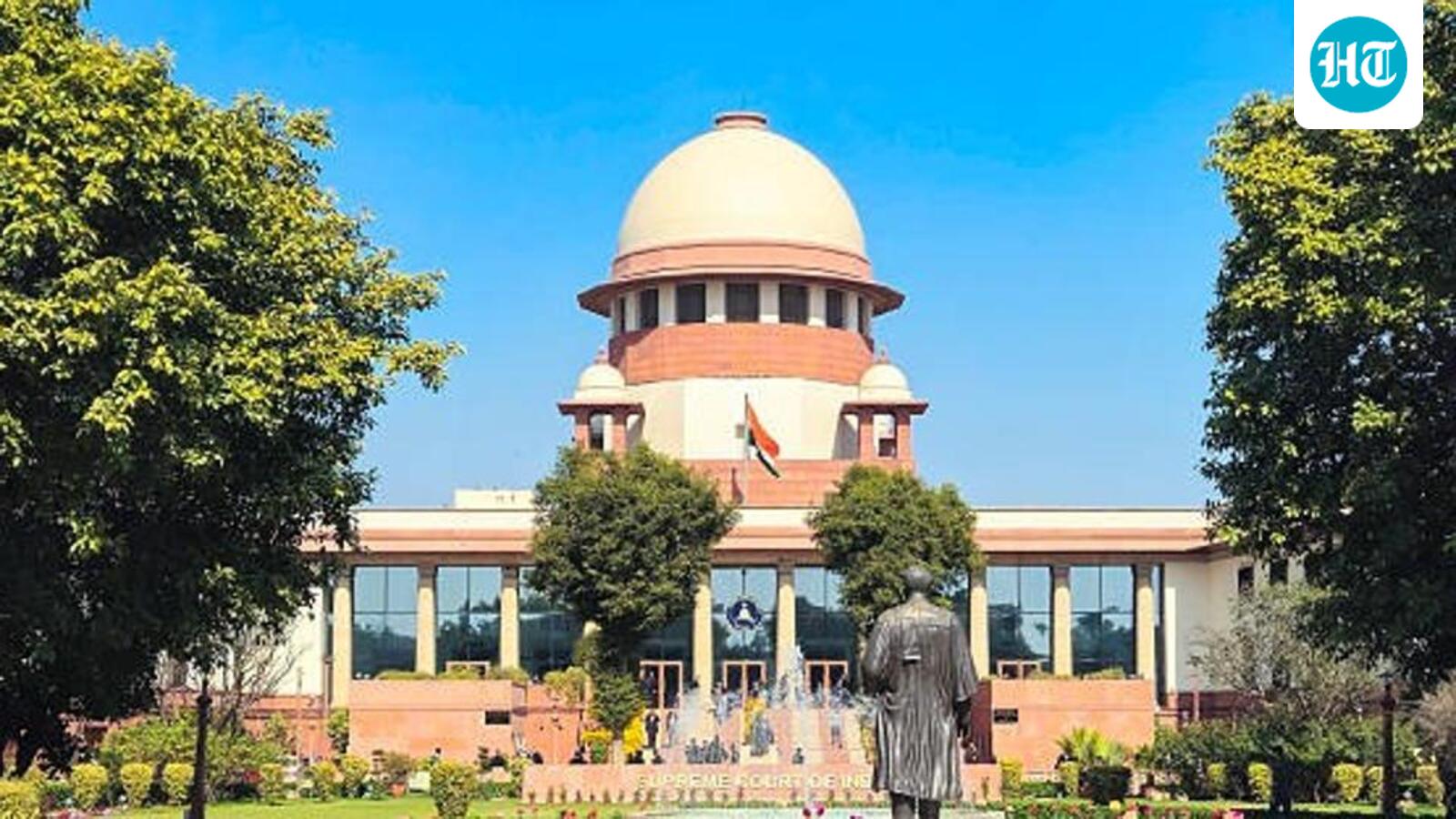
The Supreme Court refused to enforce a settlement in which a woman was to receive ₹9.25 lakh from a man she had accused of sexual exploitation on the promise of marriage. The court ruled that courts cannot be used as instruments of coercion, extortion or illegal enrichment. It also granted a divorce to the estranged couple, invoking its extraordinary powers under Article 142 of the Constitution, citing an irretrievable breakdown of their marriage.
A bench of Justices JB Pardiwala and K Vinod Chandran agreed with the Punjab and Haryana High Court’s finding that the criminal proceedings were initiated and continued in a manner that exerted undue pressure on the man, leading to a financial settlement. The bench deleted the high court’s direction imposing an exemplary cost of ₹5 lakh on the woman but cautioned her strongly against engaging in such activities in the future. In its order released on Monday, the bench stated: "We are perfectly in agreement with the High Court that such nefarious practices undermining the judicial system has to be deprecated in the strongest of terms… Insofar as the settlement is concerned, we confirm the order of the High Court which made it unenforceable against the party respondent."
The case originated from an FIR registered in January 2024. The 31‑year‑old woman alleged that the man approached her while she was attending to her brother in hospital, offered assistance, became intimate with her and had sexual intercourse on the promise of marriage. She claimed she believed his assurance and that his parents had met her and a ceremony of sorts had been conducted before he abandoned her. The parties later reached a settlement under which the man agreed to pay ₹9.25 lakh, of which ₹4.5 lakh had already been paid. Proceedings under Section 13B of the Hindu Marriage Act, which provides for divorce by mutual consent, were also initiated.
The high court found that the allegations, viewed against the woman’s maturity and awareness, prima facie disclosed a mala fide attempt to set the criminal justice machinery in motion. It held that courts should not become instruments of undue pressure, resulting in extortion by one party and illegal enrichment of another. Consequently, it set aside the settlement and made the unpaid amount unenforceable, directed that the mutual consent divorce proceedings continue, and warned that if the woman withdrew her consent before the family court, perjury proceedings could follow. It also imposed costs of ₹5 lakh on her, to be divided between two organisations working for women’s welfare and poor patients.
The Supreme Court endorsed the high court’s reasoning, observing that such nefarious practices undermining the judicial system must be deprecated in the strongest terms. It refused to restore the financial settlement, confirming the high court’s direction that it would remain unenforceable against the man. The top court further brought the matrimonial dispute to a close by exercising its powers under Article 142, which enables it to pass orders necessary to do complete justice. Finding that the marriage had irretrievably broken down, the bench granted divorce to the parties, thereby obviating the need for further proceedings before the family court.
Frequently asked questions
What amount was the settlement that the Supreme Court refused to enforce?
₹9.25 lakh.
Under which constitutional provision did the Supreme Court grant the divorce?
Article 142 of the Constitution.
Why did the Supreme Court consider the settlement unenforceable?
Because the High Court found that criminal proceedings were initiated and continued in a manner that exerted undue pressure on the man, leading to extortion and illegal enrichment, making the settlement unenforceable.