India
Supreme Court Considers Re‑examining KMC Delimitation Dispute
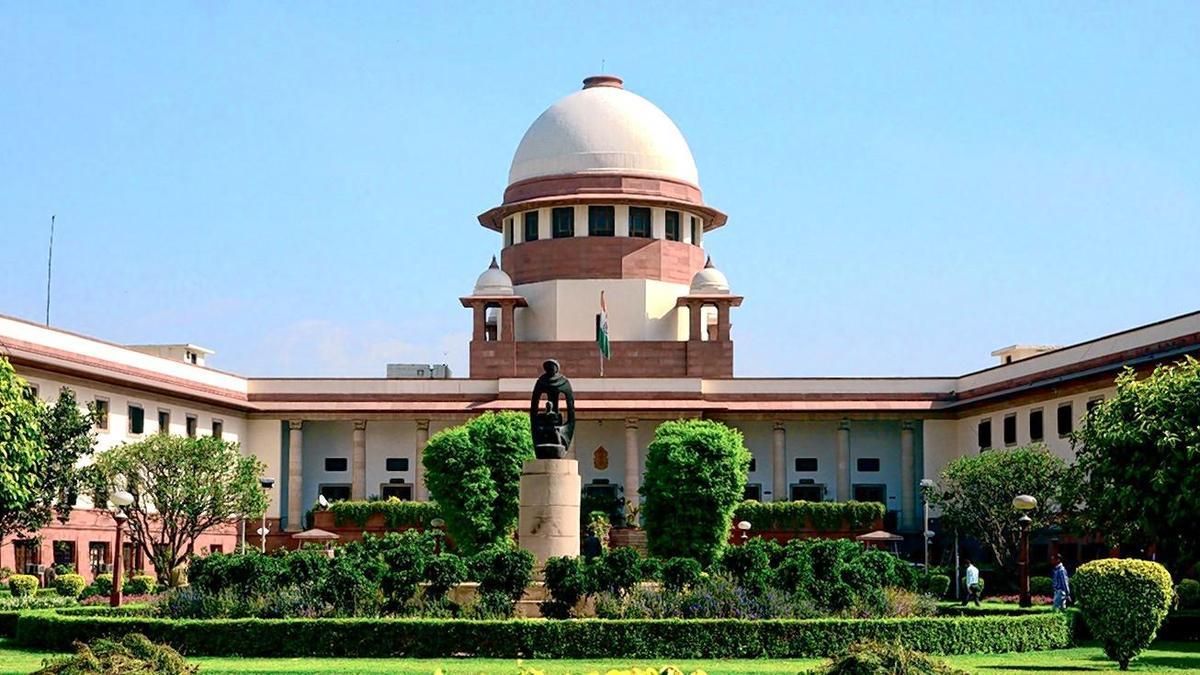
The Supreme Court, on Wednesday (November 25, 2026), indicated that it was inclined to set aside a Calcutta High Court order that had halted the Kolkata Municipal Corporation (KMC) elections over a delimitation exercise, and asked the High Court to hear the dispute anew. The suggestion came from a Bench headed by Chief Justice of India Surya Kant while hearing an appeal filed by the West Bengal government against the High Court order of November 6. The High Court had directed the West Bengal State Election Commission not to notify the elections until a petition challenging the delimitation of municipal wards was decided. Chief Justice Kant said the apex court was inclined to set aside the High Court order after considering the legal and factual issues raised by the State government. The writ petition could also be transferred from the Single Judge Bench to a Division Bench, which would consider the entire dispute afresh and pass appropriate orders. “And till the Division Bench forms a view the polls can be held off,” the court suggested orally. Lawyers for both the State and former CPI(M) councillor Dipu Das, who had filed the petition in the High Court against the delimitation exercise, sought time to take instructions. The court listed the case for further hearing on November 30. The Bench reasoned that its proposed “ad‑hoc arrangement” would place both parties on an “even keel” without the Supreme Court expressing any opinion on the merits of the dispute. The KMC had undertaken a revision of municipal ward boundaries ahead of the civic polls. As part of the plan, the number of wards in the civic body may rise to 209 from the current 144. A Division Bench of the High Court had stopped the State Election Commission from issuing the election notification until the Single Judge Bench hearing Mr. Das’s petition decided the legality of the ward delimitation exercise. Mr. Das had questioned the delimitation, arguing that the expansion of the municipal wards was void. He had sought a quashing of the September 11 gazette notification on expansion of wards as bad in law. He had contended that the delimitation happened on the basis of electoral rolls instead of the actual population, resulting in the alleged exclusion of a substantial number of residents. After the Single Judge Bench had refused his pleas for an interim stay of the elections, Mr. Das had moved the High Court’s Division Bench.
Frequently asked questions
What did the Supreme Court suggest regarding the Calcutta High Court order on KMC elections?
It indicated it was inclined to set aside the order and asked the High Court to hear the dispute anew.
How many municipal wards could the KMC have after the proposed delimitation?
The number could rise to 209 from the current 144.
Who filed the petition challenging the delimitation exercise?
Former CPI(M) councillor Dipu Das filed the petition in the High Court.