Climate & Environment
Kenya Steps Up Emergency Measures in 18 Counties as El Niño Rains Loom
By Seth Olale
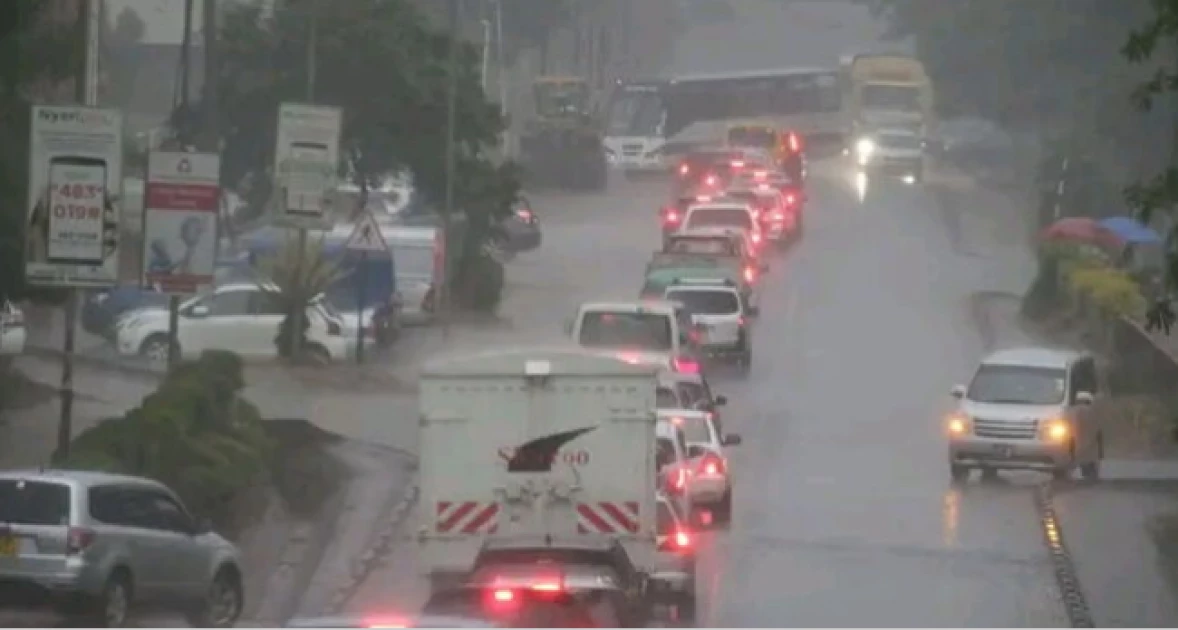
The Kenyan government has identified 18 counties as high-risk zones ahead of anticipated El Niño rains, prompting urgent evacuation and preparedness measures across affected regions.
A multi-agency team led by Environment Cabinet Secretary Deborah Barasa is already on the ground in Baringo County, working to prevent a potential humanitarian and environmental crisis around Lakes Baringo and Bogoria, two of the areas flagged as high-risk.
"We must now have everyone nearby evacuated in order to prevent loss of lives," Barasa said, emphasizing the need for swift, large-scale action.
A representative from the United Nations Development Programme, identified as Yvonne, echoed the urgency, stating that time is limited and a large-scale response is required.
The 18 high-risk counties span the Coast, Lake, North Eastern and Rift Valley regions, and include Tana River, Kilifi, Lamu, Mombasa, Kwale, Kisumu, Busia, Siaya, Homa Bay and Migori, among others.
Speaking after inspecting weather-monitoring facilities at the Kenya Meteorological Department headquarters in Nairobi, Barasa said the government is working continuously to reduce the impact of the expected heavy rainfall. She urged residents living on riparian land to relocate immediately to higher ground, noting that response teams are already monitoring the situation and coordinating with village elders to facilitate relocations.
According to the Kenya Meteorological Department, El Niño conditions are strengthening in the Indian Ocean and could last from October this year through February 2027. Western Kenya may begin experiencing effects as early as September.
"The El Niño is gaining strength and will extend until February 2027. This is an early warning," said Dr. David Muriuki, Chief Executive Officer of the Kenya Meteorological Department.
The Ministry of Health is also preparing for possible health-related impacts of the rains. Public Health and Professional Standards Principal Secretary Mary Muthoni said the ministry is seeking partners to support the response, including the provision of temporary medical facilities, emergency medical services, nutritional assessments and medical supplies for affected communities.
"We have experienced El Niño before, and we have taken time to learn from past disasters and build on the challenges we faced so that we can better mitigate its effects," Muthoni said.
She made the remarks during a health partners' engagement held ahead of the Kenya Public Health International Conference, underscoring the importance of close coordination between the government and its partners in ensuring an effective response to the anticipated rains.