Climate & Environment
Kenya Ramps Up Livestock Disease Preparedness Ahead of El Niño Rains
By Today News Hours Editorial Desk
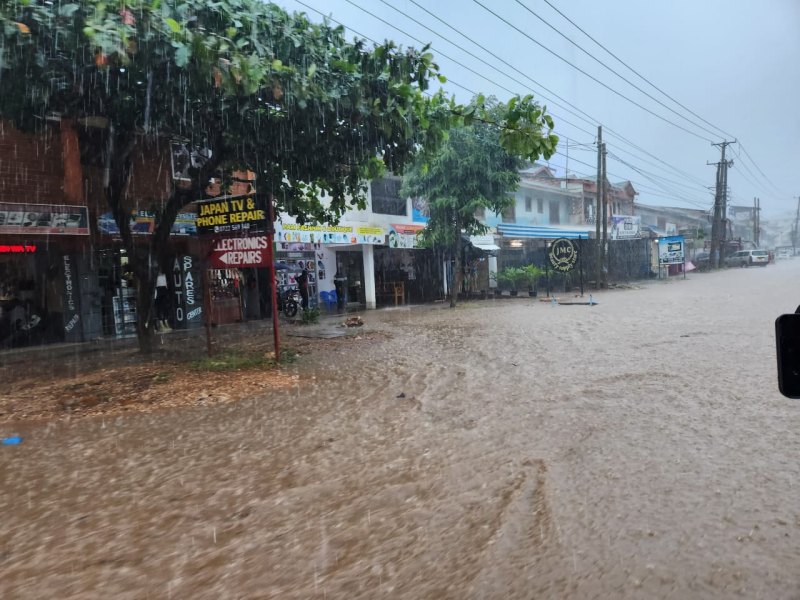
The Ministry of Agriculture and Livestock Development says it is bracing for potential livestock disease outbreaks as El Niño rains approach, even as the anticipated precipitation could offer relief to farmers grappling with drought. Dr Christopher Wanga, director in charge of livestock policy, research and regulations at the ministry, said authorities have put in place a comprehensive preparedness plan to protect the livestock sector from the effects of El Niño. According to Wanga, the rains pose two major risks: disruption of livestock habitats and a rise in disease-carrying vectors. Among the chief concerns is a possible surge in diseases that are typically uncommon, particularly Rift Valley fever. Heavy rainfall and flooding create ideal breeding conditions for mosquitoes that spread the virus, he explained, raising the likelihood of outbreaks among livestock. The disease affects cattle, sheep, goats and camels, and can also be transmitted to humans who come into contact with infected animals. The Food and Agriculture Organisation (FAO) describes Rift Valley fever as a mosquito-borne viral illness that primarily strikes cattle, sheep, goats and camels, with outbreaks often following heavy rains or flooding due to the resulting mosquito breeding grounds. The disease can lead to high death rates among young animals and cause abortions in livestock, resulting in substantial economic and production losses. Kenya has previously witnessed the connection between intense rainfall and Rift Valley fever outbreaks. The FAO notes that the disease was first documented in Kenya's Rift Valley region in 1931, and the 1997-1998 outbreak across the Horn of Africa—linked to heavy El Niño rains—caused significant livestock losses and disrupted regional livestock exports. Wanga said the government is working to ensure farmers have continued access to pasture and adequate vaccine supplies for Rift Valley fever. He noted the ministry is committed to maintaining steady pasture and vaccine availability as part of its El Niño response. These preparations come as livestock farmers continue to struggle with drought conditions that have limited pasture and water access in various parts of the country. While El Niño rains could restore pasture and water supplies in drought-affected regions, excessive rainfall carries its own risks. The FAO's most recent food security assessment for Kenya found that above-average rainfall earlier in the year had already improved rangeland conditions in some areas, illustrating the potential benefits of favorable rains for pastoral and livestock systems. Nevertheless, Wanga cautioned that flooding could destroy grazing lands, contaminate water sources, and hinder farmers' ability to transport animals to markets or access veterinary care. He added that expanded water coverage and increased mosquito breeding sites could heighten the risk of vector-borne diseases. Wanga emphasized that the benefits farmers gain from the rains will hinge on how well they prepare for both the opportunities and challenges that come with wetter conditions, noting that veterinary readiness will be especially important in counties where livestock farming is a key source of household income. Livestock specialists have long stressed that early identification and reporting of abnormal livestock deaths are essential for controlling outbreaks of diseases like Rift Valley fever. The FAO recommends early warning systems, surveillance, prompt reporting of suspected cases, and targeted vaccination campaigns in high-risk zones to mitigate the disease's impact. It also advocates for stronger collaboration among animal health, public health, and environmental agencies through a One Health approach.