Politics
BJP Boosts Outreach to Non‑Yadav OBCs in Purvanchal Ahead of 2025 Assembly Elections
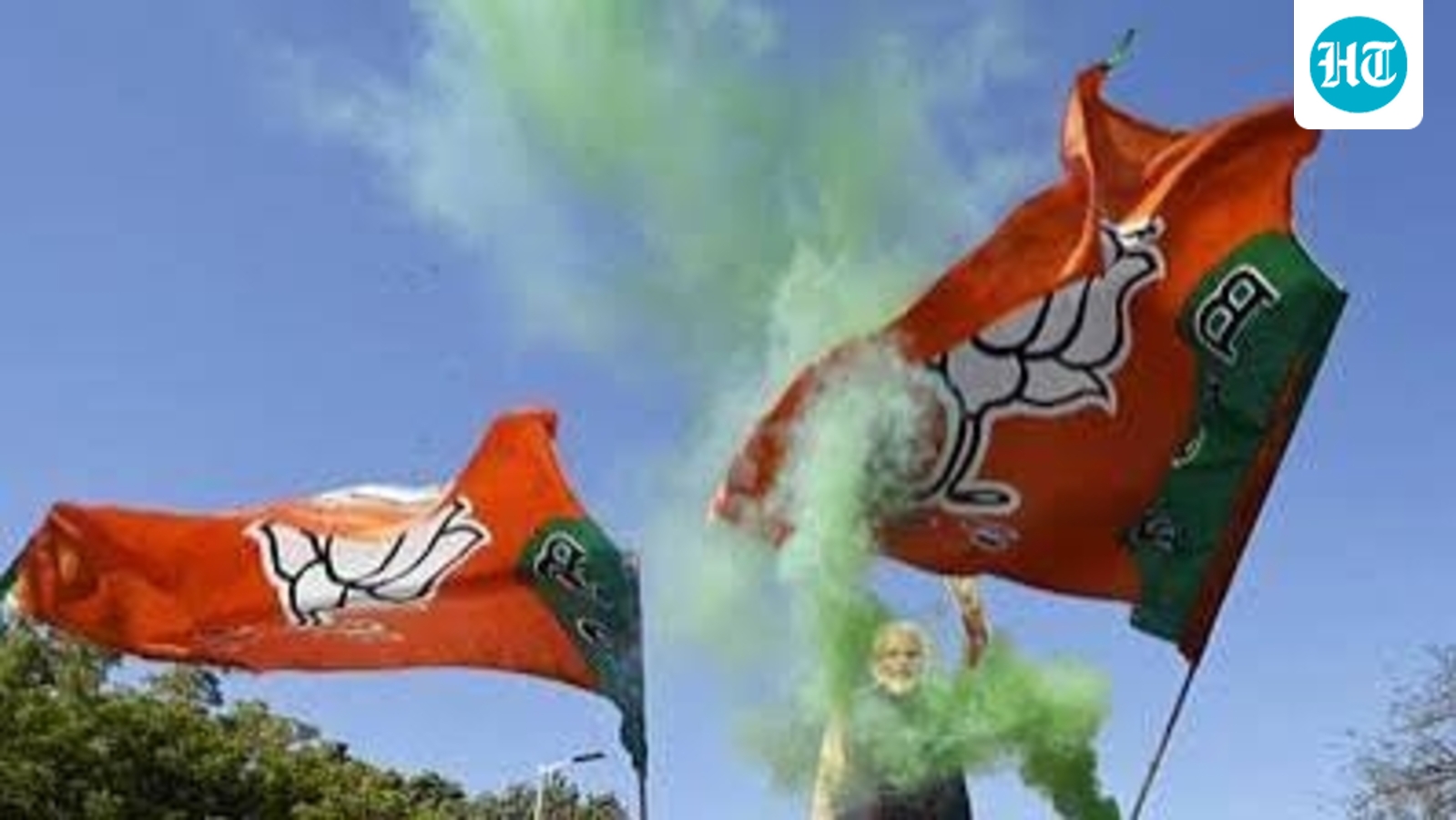
The Bharatiya Janata Party (BJP) is increasing its focus on the Purvanchal region of Uttar Pradesh, a stretch that covers 100 to 120 assembly constituencies, in preparation for the 2025 state elections. The party’s bid to secure a third term will hinge on its performance in this area, according to sources familiar with the matter. The 403‑member Uttar Pradesh assembly election will take place early next year alongside elections in four other states.
A senior BJP leader, who asked not to be named, said the party’s strategy is to mobilise non‑Yadav Other Backward Classes (OBCs), whose support is deemed essential for a favourable outcome. The leader noted that the caste composition in Purvanchal and the opposition’s hold over its vote bank present a formidable challenge, especially after the 2024 Lok Sabha elections. A significant number of voters who had previously supported the BJP have shifted to the Samajwadi Party (SP), and the party aims to win them back.
The BJP has identified three OBC groups in Purvanchal – the Kurmis, the Koeri/Kushwahas and the Rajbhars – and plans to target them aggressively. It is also relying on its allies: Apna Dal (S) for Kurmi votes; the Nishad Party for Nishad, Mallah and Bind communities; and the Suheldev Bharatiya Samaj Party (SBSP) for Rajbhars and other backward castes. A second party functionary said the party will address each OBC group’s concerns about ticket allocation and will run targeted campaigns, avoiding a single overarching narrative.
The Rajbhars, though a small community nationally (about 4‑5% of the state’s population), are considered influential in key Purvanchal districts such as Ghazipur, Ballia, Azamgarh, Varanasi, Deoria, Gorakhpur and Basti. The functionary highlighted that the BJP’s performance in Purvanchal has declined since the 2017 assembly polls, when the party won 312 of 403 seats, to 255 seats in 2022.
When asked how the BJP will counter the SP’s strategy of courting upper castes and non‑Yadav OBCs, and address resentment over the chief minister’s alleged preference for the Thakur/Rajput caste, the second functionary said the party will listen to voters’ concerns and emphasize that the SP’s ticket distribution does not guarantee a non‑Yadav chief minister. He also noted that the BJP is assessing anti‑incumbency factors and potential issues that could arise.
The first functionary added that the party is preparing to showcase how it has transformed Uttar Pradesh from a “lawless” state to a “well‑governed” one, and that a key objective is to convert support for the “double‑engine” leadership of Narendra Modi and Yogi Adityanath into votes. The BJP refers to its central and state governments as a “double engine.”