World
Trump Administration to Release Findings of Excess Capacity Probe, Likely to Announce New Tariffs
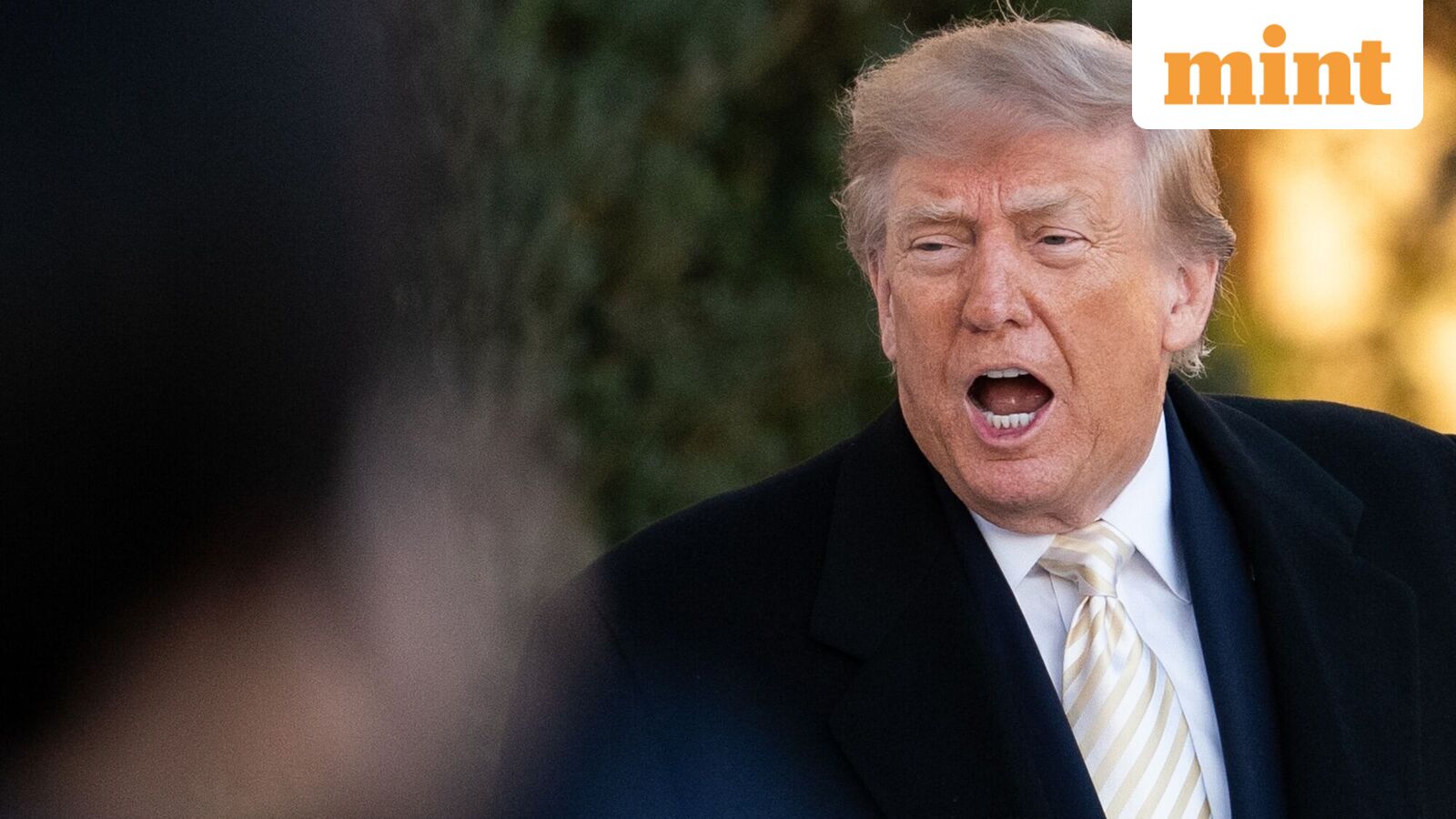
The Trump administration is set to release the results of a probe into alleged excess industrial capacity in 16 major U.S. trading partners, according to three sources familiar with the matter. The findings are expected as early as Tuesday afternoon, and the U.S. Trade Representative’s office is likely to propose new duties that would be added to tariffs already imposed during President Donald Trump’s second term. The new duties would partially replace tariffs that the U.S. Supreme Court struck down in February.
The administration’s tariffs have contributed to higher consumer prices in the United States, and a Reuters/Ipsos opinion poll after the November midterm elections showed 62% of respondents would support repealing the tariffs. The specific tariff rates have not yet been disclosed. One source said the duties would be tailored to each country, with goods from Mexico and Norway unlikely to see immediate levies.
Under Section 301 of the Trade Act of 1974, the U.S. Trade Representative has been investigating most of the country’s largest trading partners for evidence of excess industrial capacity. The White House is expected to honor capped tariff rates that were included in finalized U.S. trade deals with partner countries. These caps include 15% on goods from the EU, Japan and South Korea, 19% for Malaysia, and 20% on Trump‑era tariffs on goods from China, provided a trade truce due to expire on 10 January 2027 is extended. If the truce expires, the Chinese excess‑capacity rate would rise.
The U.S. Trade Representative’s office and the White House did not respond to Reuters queries about the pending announcement. Ryan Majerus, a former senior U.S. Commerce Department trade official and partner at King & Spalding, said he expects a lengthy report that could include differentiated tariff remedies for each of the 16 trading partners. Majerus added that the administration could propose high tariff rates of 15% to 25% on imports from countries deemed to have excess capacity in various sectors. Those levies would stack on top of existing tariffs of 10% or 12.5% imposed under a separate investigation into lax enforcement of anti‑forced‑labour laws. He also said the administration could propose lower tariff rates with escalation clauses that would ratchet rates higher over time unless countries reduce excess production capacity.
The countries included in the probe are China, India, Japan, South Korea, Mexico, Vietnam, Taiwan, Thailand, Malaysia, Indonesia, Switzerland, Norway, Singapore, Bangladesh, Cambodia, and the European Union. The Wall Street Journal reported earlier that the probe’s results could be unveiled as soon as this week.
The U.S. Trade Representative launched the excess‑capacity probe in March, along with a separate probe into weak or lax enforcement of anti‑forced‑labour laws in 59 countries and the European Union. Together, the duties are meant to rebuild Trump’s global “Liberation Day” tariffs that were struck down by the U.S. Supreme Court in February.
The Trump administration has singled out China as the biggest source of excess industrial capacity, alleging that it floods global markets with steel, aluminium, electric vehicles, appliances, solar products and other goods. China has rejected the accusations, saying its exports reflect competitive advantages. The probe is also partly directed at Chinese investment in Southeast Asian countries, including Vietnam, Indonesia and Cambodia, to manufacture goods for the U.S. market and avoid prior U.S. tariffs.
Under a U.S.–China trade truce due to expire on 10 January 2027, the Trump administration has capped second‑term tariffs on Chinese goods at 20%, in addition to duties of about 25% imposed during Trump’s first term. The U.S. has already imposed a 12.5% anti‑forced‑labour duty on all Chinese imports, leaving only 7.5% to reach the 20% cap. The U.S. and China are also working to cut tariffs on $30 billion of non‑strategic imports from each side.
Frequently asked questions
Which countries are included in the excess capacity probe?
The probe covers China, India, Japan, South Korea, Mexico, Vietnam, Taiwan, Thailand, Malaysia, Indonesia, Switzerland, Norway, Singapore, Bangladesh, Cambodia, and the European Union.
What tariff rates are capped for certain trading partners?
The capped rates are 15% on goods from the EU, Japan and South Korea, 19% for Malaysia, and 20% on Trump‑era tariffs on goods from China, subject to the trade truce extension.
What is the expected timing for the release of the probe findings?
The findings are expected as early as Tuesday afternoon, and the probe results could be unveiled as soon as this week.