World
Russia Reiterates Demands for European Security Reforms Amid Ongoing Ukraine Talks
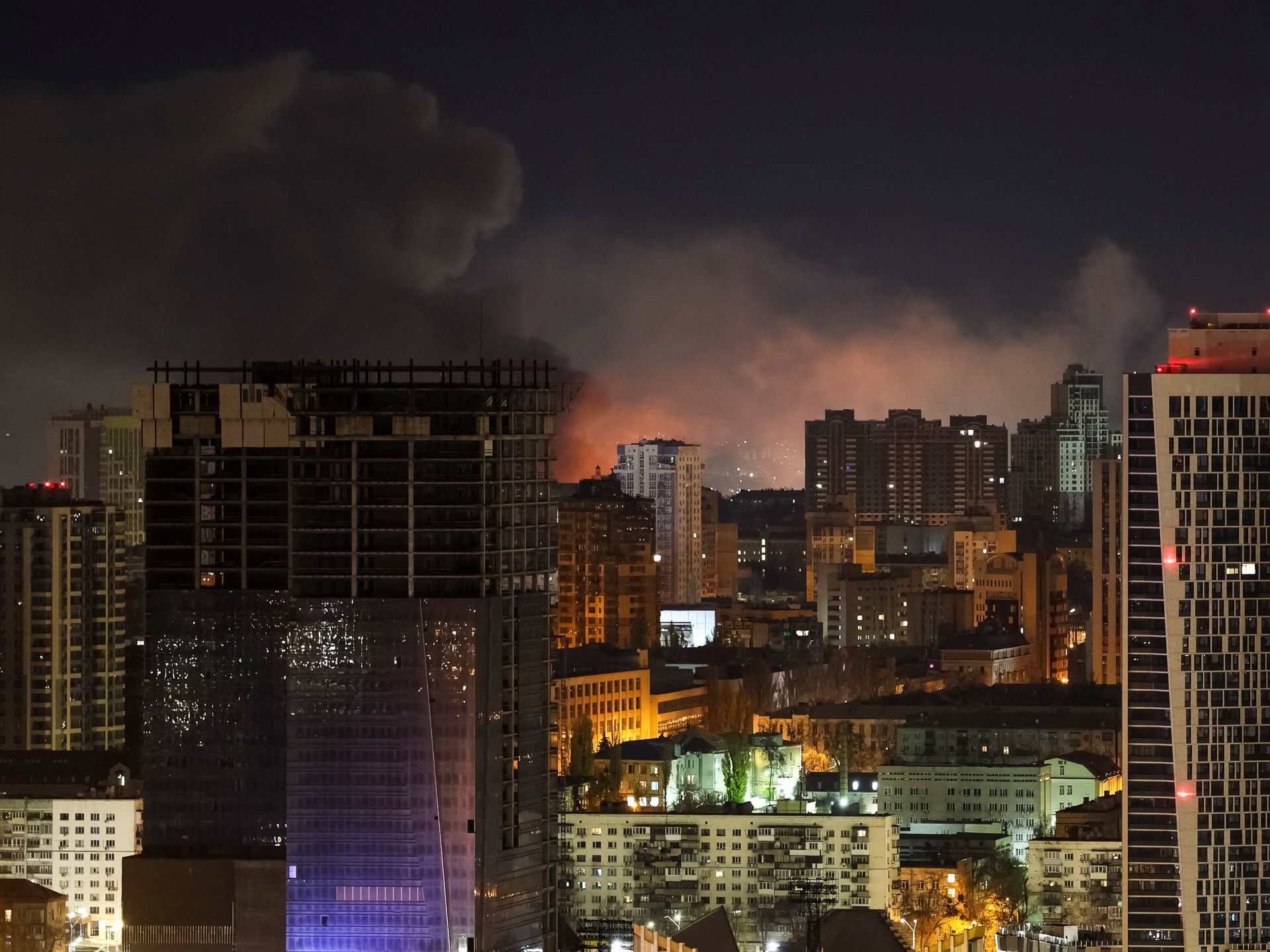
Moscow has added a new point to its list of demands in the ongoing talks with Ukraine, citing the need to reshape European security architecture. The United States, under former President Donald Trump, has pursued mediation between Moscow and Kyiv, restarting three‑way talks in Abu Dhabi earlier this month. However, instead of a concrete deal, Russia introduced another point of disagreement, insisting on far‑reaching concessions from the United States and Europe.
Russia’s wish list includes the withdrawal of NATO forces from allies on the eastern flank, a commitment not to accept new members, and other measures that would reverse NATO’s open‑door policy. In December 2021, weeks before the full‑scale invasion of Ukraine, Russia presented two draft treaties to the US and NATO outlining similar conditions. The US rejected the far‑reaching demands, which included scrapping NATO’s open‑door policy, rolling back defence infrastructure and deployments in the east to 1997 levels, and withdrawing US nuclear arms from Europe. Washington was, however, willing to engage on certain issues such as intermediate and short‑range missiles stationed in Europe, transparency, risk reduction, and arms control.
Since then, Moscow has repeatedly stated that the “root causes” of the conflict must be addressed in any settlement. The Kremlin’s proposals now include the cessation of European military support for Kyiv, no deployment of forces on Ukrainian soil, Finland exiting NATO and reverting to neutrality, prohibition of Ukraine’s participation in the European Union’s budding defence initiatives, and no extension of the British and French nuclear umbrella to their European allies. In other words, nearly all gains Europe has made since February 2022 in terms of strengthening its collective defence would have to be reversed for Russia to stop fighting.
Such an overhaul of European security arrangements is unlikely. Even Trump, eager to reach a deal with Putin, would not be willing or able to give Europe a silver platter. Ukraine has made it clear it will not stop fighting, as demonstrated by successful strikes against the Kerch bridge and Russian ships in the Baltic and off Libya’s coast. Europe, despite funding uncertainties and the rise of Ukraine‑skeptical parties, will not stop supporting Kyiv.
Russia’s insistence on these demands may be a negotiation strategy, setting a high asking price to extract as much as possible in talks with the US and Europeans. Once hostilities cease, practical issues of managing a Cold War‑like standoff between NATO and Russia, as well as between a Western‑backed Ukraine and Russia, would need to be addressed. Possible guardrails could include transparency of troop and equipment movements, joint exercises, military‑to‑military dialogue, and agreements on hybrid warfare.
The Organisation for Security and Co‑operation in Europe (OSCE), in which both EU member states and Russia participate, could gain new relevance in such a scenario. A return to summits involving Russia on one side and the US and major European countries on the other might also be possible, especially after Putin’s tenure.
Alternatively, Russia may be attempting to dilute the agenda and divert attention from Ukraine to gain an advantage on the battlefield. Vladimir Medinsky, Putin’s aide and chief negotiator, described the situation as a “sick body” with a cyst in Ukraine. The logic behind the summit in Shenzhen between Putin, Trump, and Chinese President Xi Jinping was similarly focused on nuclear stability and global energy prices.
The European diplomatic table remains largely empty, partly due to internal squabbles and partly because of Russia’s reluctance to include them. Whether the talk about repairing European security architecture is a genuine effort or a fig leaf for Russia remains to be seen. Ultimately, avoiding war in Europe should be a shared goal for the US, Europeans, Ukraine, and Russia alike. The views expressed here are the author’s own and do not necessarily reflect Al Jazeera’s editorial stance.
Frequently asked questions
What new demand did Russia add to the Ukraine talks?
Russia added a demand for the withdrawal of NATO forces from allies on the eastern flank, a commitment not to accept new NATO members, and other measures reversing NATO's open‑door policy.
What did the US reject in Russia's demands?
The US rejected demands to scrap NATO's open‑door policy, roll back defence infrastructure and deployments in the east to 1997 levels, and withdraw US nuclear arms from Europe.
What issues is Washington willing to engage on?
Washington is willing to engage on intermediate and short‑range missiles stationed in Europe, transparency, risk reduction, and arms control.