Climate & Environment
Experts Say Wildfire Played Only Minor Role in Deadly Grand Canyon Flash Flood
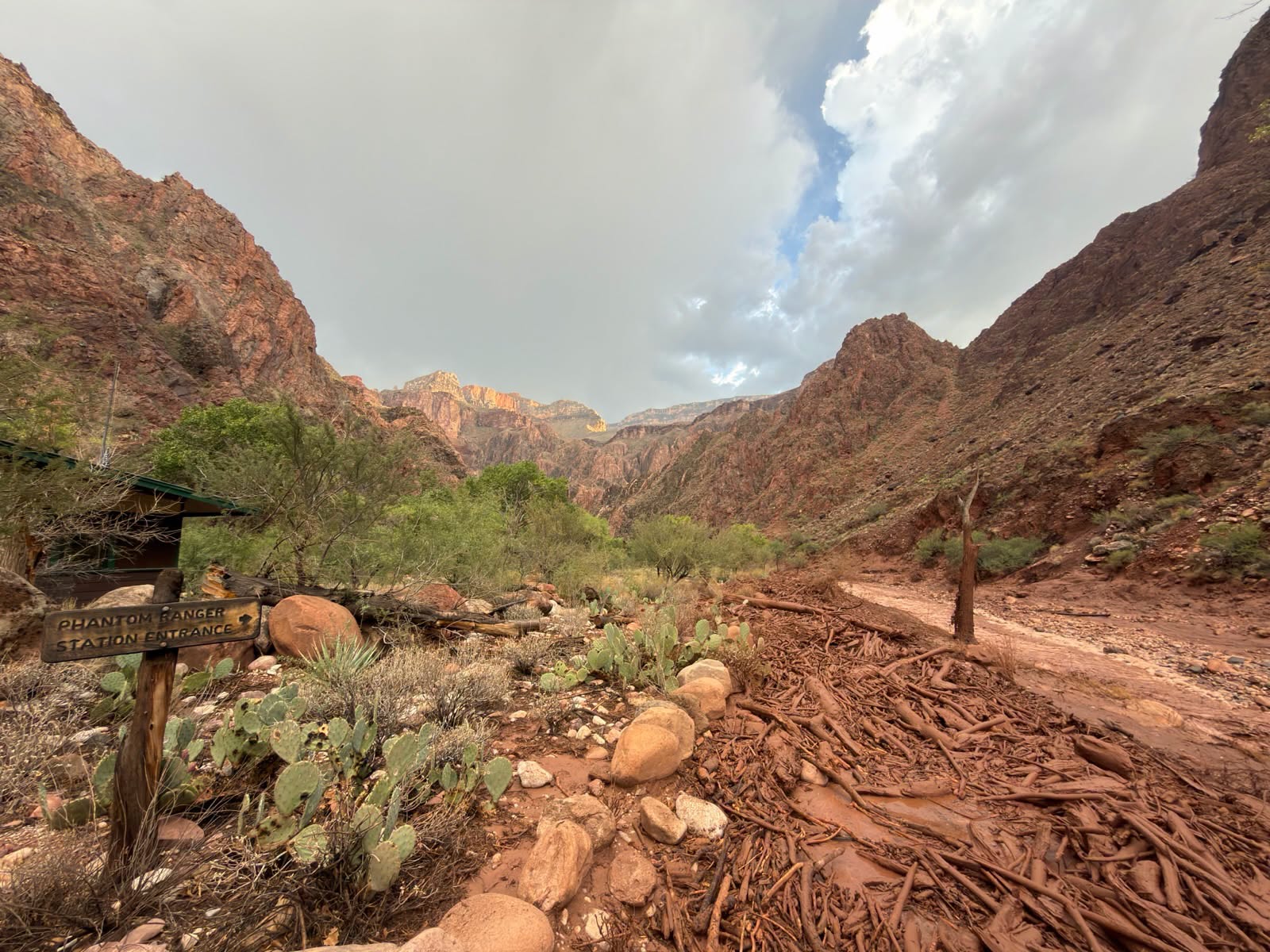
Scientists say last year's Dragon Bravo Fire had only a limited effect on the deadly flash flood that struck Grand Canyon National Park last month, even though the 145,000-acre blaze had raised concerns about increased runoff and flooding risk in the burned area. Such warnings are common after destructive wildfires. According to Abe Springer, a professor of ecohydrogeology at Northern Arizona University who has studied water flow on the North Rim, fires of moderate to high severity make soil more prone to erosion, and recovery of the soil's natural resistance to erosion takes time. Springer noted that the canyon's terrain below the rim is naturally prone to flash flooding regardless of fire activity. "This steep topography, rocky, cliff-sided landscape in Grand Canyon naturally always yields more runoff than many other areas," he said, adding that large floods have occurred in the park's watersheds even without burn areas present. He explained that the Bright Angel Canyon, where the flooding occurred, burned less severely than other areas affected by the Dragon Bravo Fire. Most of the fire burned in watersheds other than Bright Angel Creek's, and only a small percentage of that watershed experienced moderate to high severity burning. National Weather Service meteorologist Justin Johndrow supported this assessment, saying unburned areas likely contributed to most of the flooding. "There was some rain on the burn scar, but it was kind of a small area," he said. The flooding occurred on Aug. 29 after three waves of storms hit the region, including areas on the North Rim above the canyon. A rain gauge near the park's developed area recorded more than 2 inches of rain over a 24-hour period ending at 5 p.m. that day. However, the inner canyon saw the most intense rainfall, with a gauge near Phantom Ranch recording over an inch of rain in just 30 minutes. Johndrow said the rainfall around 2:30 p.m. on Aug. 29 was especially intense, falling on ground already saturated from earlier rain and creeks that were already flowing. "That half-inch to 1 inch of rain in 30 minutes, mainly over the unburned areas, looks, to us, like what resulted in the flash flooding," he said. The flash flood sent water and debris rushing down Bright Angel Creek, killing two hikers. A third man remains missing, and search efforts are ongoing. The flood also caused severe damage to miles of the Transcanyon Waterline, which supplies drinking water to the South Rim, triggering a water crisis in the park. Springer said additional data from rain gauges across the North Rim will likely provide more insight into the flood's causes. He emphasized that this event was unusual due to the combination of heavy backcountry visitor activity and critical infrastructure in the area. "There was real tragedy from this event," he said.