Climate & Environment
Grand Canyon Crews Push Ahead on Temporary Water Fix After Late-August Flood
By Today News Hours Editorial Desk
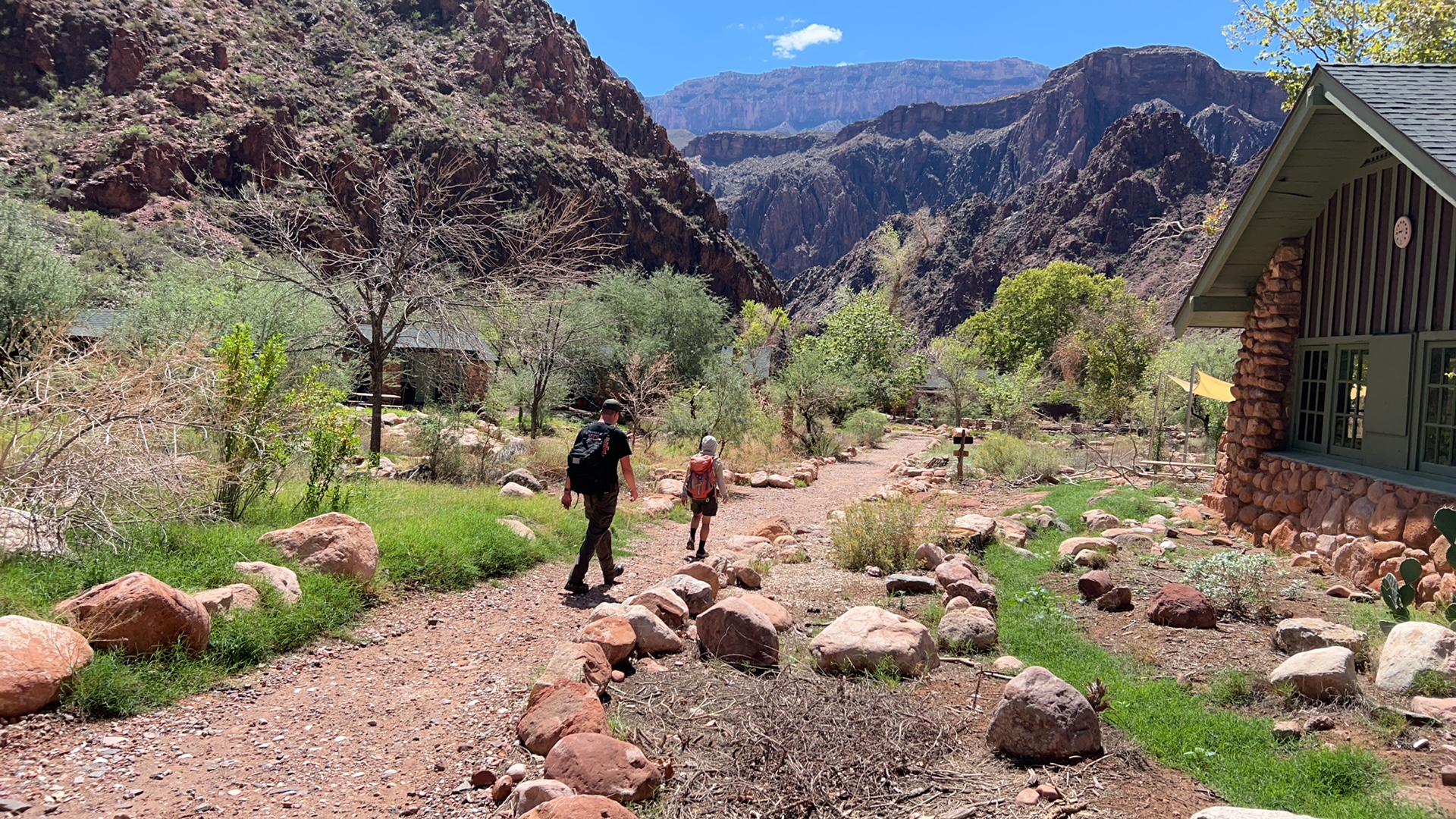
Grand Canyon National Park officials say water service to the South Rim could be restored within weeks rather than months, as recovery efforts continue following a severe flash flood that struck Bright Angel Canyon and the Phantom Ranch area on August 29, according to a park news release issued September 8.
Crews are now building a temporary water intake at Bright Angel Creek to replace one destroyed in the flood. Engineers are currently in the canyon finalizing the design, and the existing Transcanyon Waterline contract has been amended to accommodate the work, which began this week. The temporary structure is designed to pump about 500 gallons per minute, matching pre-flood capacity, and would feed into the new Transcanyon Waterline system to help restore storage levels on the South Rim while a permanent intake is developed.
The flood inflicted heavy damage on the old Transcanyon Waterline, destroying roughly 40% of the pipeline running between Phantom Ranch and the North Rim, along with significant damage to the Bright Angel Creek and Roaring Springs intake sites. However, newer pipeline infrastructure on the canyon's south side was unaffected. Before the flood, the park had been about a month away from activating this new system, and officials say that work is now being expedited.
Electrical power needed for the temporary intake has been restored, and crews are clearing debris and preparing the construction site. At the same time, testing and startup procedures are being accelerated at the new South Rim water treatment plant, with the National Park Service coordinating with the Arizona Department of Environmental Quality to bring it online safely.
Water conservation remains a priority as repairs continue. The South Rim is currently relying on stored water, which fell by about 0.37 feet during the most recent operational period—less than half the typical daily decline of roughly 0.7 feet under normal conditions. Conservation efforts are currently saving approximately 137,000 gallons of potable water daily, giving crews more time to complete repairs. Officials are urging residents, employees, visitors and businesses to keep conserving water, noting that every gallon saved adds flexibility for the ongoing repair work.
Teams are also monitoring the water distribution system for leaks, weighing repair options carefully since some fixes require flushing sections of pipe—a process that in certain cases could use more water than the leak itself is losing. Crews are assessing each situation to determine the most water-efficient course of action.
To ease pressure on the South Rim's water system, the park has distributed potable-water tanks, bottled water, handwashing stations, portable showers, laundry units and portable toilets throughout the community. Five 2,500-gallon water tanks have been installed so far, with more planned, and over 13,500 gallons of bottled drinking water have been staged on-site. Officials are also exploring ways to supplement the water supply, though any additional water must meet strict quality and chemical compatibility standards to avoid damaging the system. The park is working with the Arizona Department of Environmental Quality and potential suppliers on these options.
Despite the disruptions, South Rim tap water remains safe to drink, and no boil-water advisory has been issued. Both the South Rim and North Rim of Grand Canyon National Park remain open, though visitors should anticipate modified operations and closures in parts of the inner canyon. Travelers are advised to check current conditions before arriving and to bring their own drinking water while conserving supplies during their visit.
Search efforts related to the flood are ongoing, with one person still missing. Search teams continue to work in the delta area near Phantom Ranch, while river patrol units search downstream along the Colorado River for debris that may have been swept away. The National Park Service says it remains committed to the search as recovery and repair work continues across the affected region. Additional updates are expected as the situation develops.