World
Israel’s $730 million Hasbara Push Meets Growing U.S. Skepticism
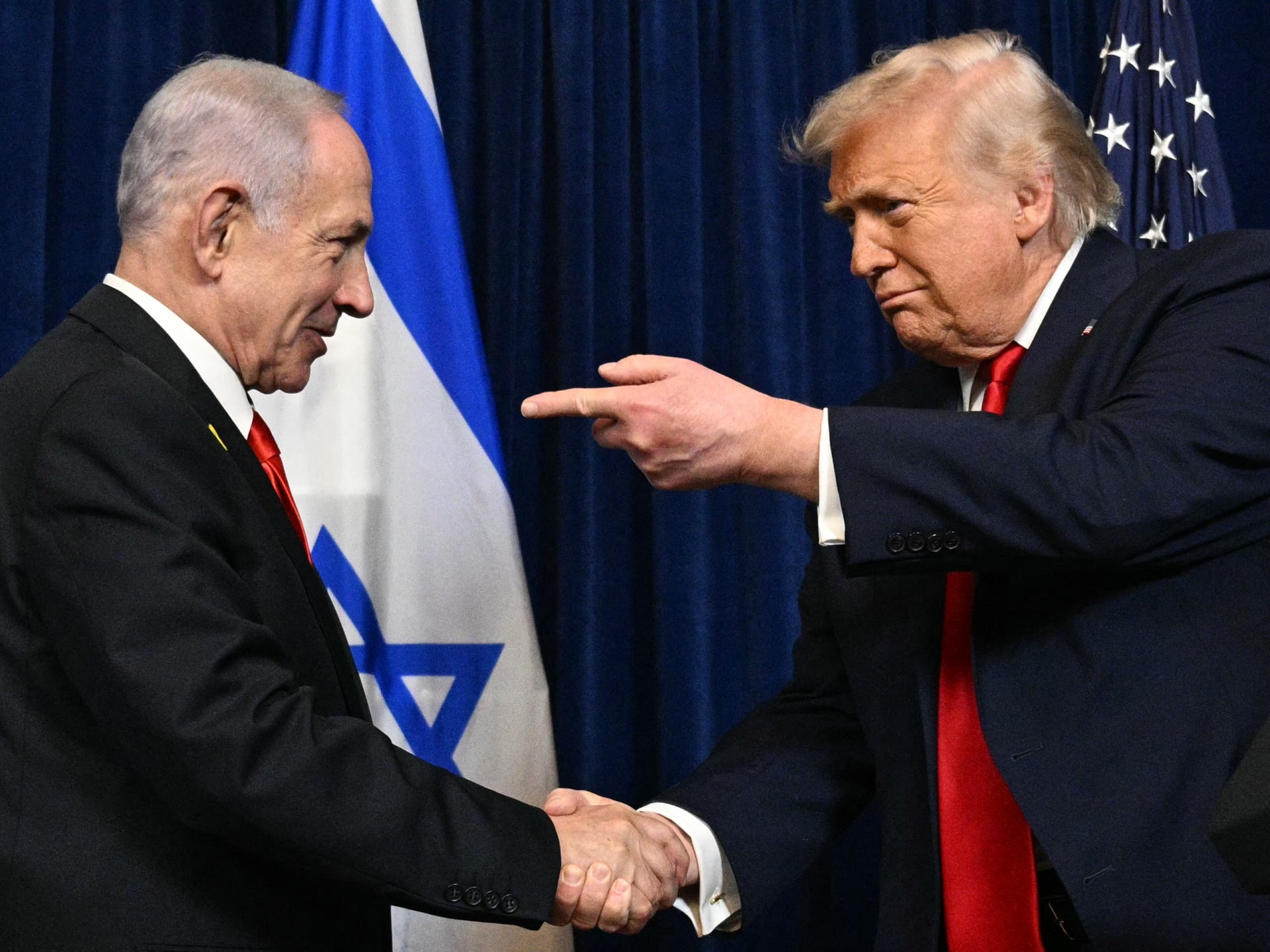
Israel has increased its public‑diplomacy budget to $730 million, largely earmarked for U.S. social‑media outreach, but polls show a growing hostility to Israel among Americans, especially younger voters. The U.S. Department of Justice’s Foreign Agent Registration Act filings from October 28 show that Starboard, a U.S. influencing company, was contracted by Israeli firm LDRS Group LLC, which claims to act on behalf of the State of Israel to conduct strategic communications and public‑relations services in the United States. The Quincy Institute for Responsible Statecraft estimates that more than $1 billion has been spent on programs to influence U.S. public opinion in favor of Israel since the Gaza war began in October 2023. This figure is separate from the funding and political efforts of domestic organizations such as the American Israel Public Affairs Committee (AIPAC), which has spent an estimated $84 million supporting pro‑Israel candidates, including Senator Susan Collins of Maine. U.S. support for Israel’s wars since the Hamas‑led attack of 2023 has been largely unconditional, with at least $25.5 billion in appropriations and $21.7 billion in military support, according to Brown University’s Costs of War project. The U.S. has also used its veto to block United Nations Security Council ceasefire resolutions and denied Palestinian full UN membership. Evidence of declining U.S. public support is mounting. Polls indicate growing hostility to Israel, particularly among young voters and even some Republicans, including the Evangelical right. Shibley Telhami, director of the University of Maryland’s Critical Issues Poll, said the shift in American attitudes toward Israel is “generational and lasting.” Telhami added that pro‑Israel campaigns are having the biggest impact among Republicans, but younger people are less affected by these expensive campaigns. Israeli Prime Minister Benjamin Netanyahu has attributed the loss of U.S. public support to foreign manipulation of social media, calling it an “eighth front” in Israel’s wars. In March, Israel quadrupled its hasbara budget to $730 million, and in November it sent more than 250 U.S. officials, journalists, influencers and community leaders to sites associated with the October 7 attack to strengthen ties with Israeli officials. Former Israeli ambassador Alon Pinkas criticized the spending, saying it is “more stupid than I thought they were.” He argued that changing policy, not spending, is needed to shift the conversation. Pinkas also noted that U.S. priorities have shifted, citing energy security, the end of the Soviet threat, the rise of China and a growing weariness of perpetual wars. Former State Department Middle East negotiator Aaron David Miller said the three pillars of U.S. support for Israel—public, congressional and executive—are at an all‑time low. He noted that U.S. engagement with Hamas, Yemen’s Houthi rebels and a reduction in U.S. weapons aid, as well as a U.S. president’s critical remarks about Israel, have all contributed to the decline. Miller added that a new Israeli government with different policies could ease tensions in public perception and congressional sentiment.
Frequently asked questions
What is the size of Israel's hasbara budget?
Israel's hasbara budget was increased to $730 million in March.
Which U.S. company was contracted by LDRS Group LLC?
Starboard, a U.S. influencing company, was contracted by Israeli firm LDRS Group LLC.
What do recent polls say about U.S. attitudes toward Israel?
Polls show growing hostility to Israel, especially among younger voters and some Republicans, including the Evangelical right.