World
Eisenkot’s Negotiations with Netanyahu Highlight Complex Coalition Options
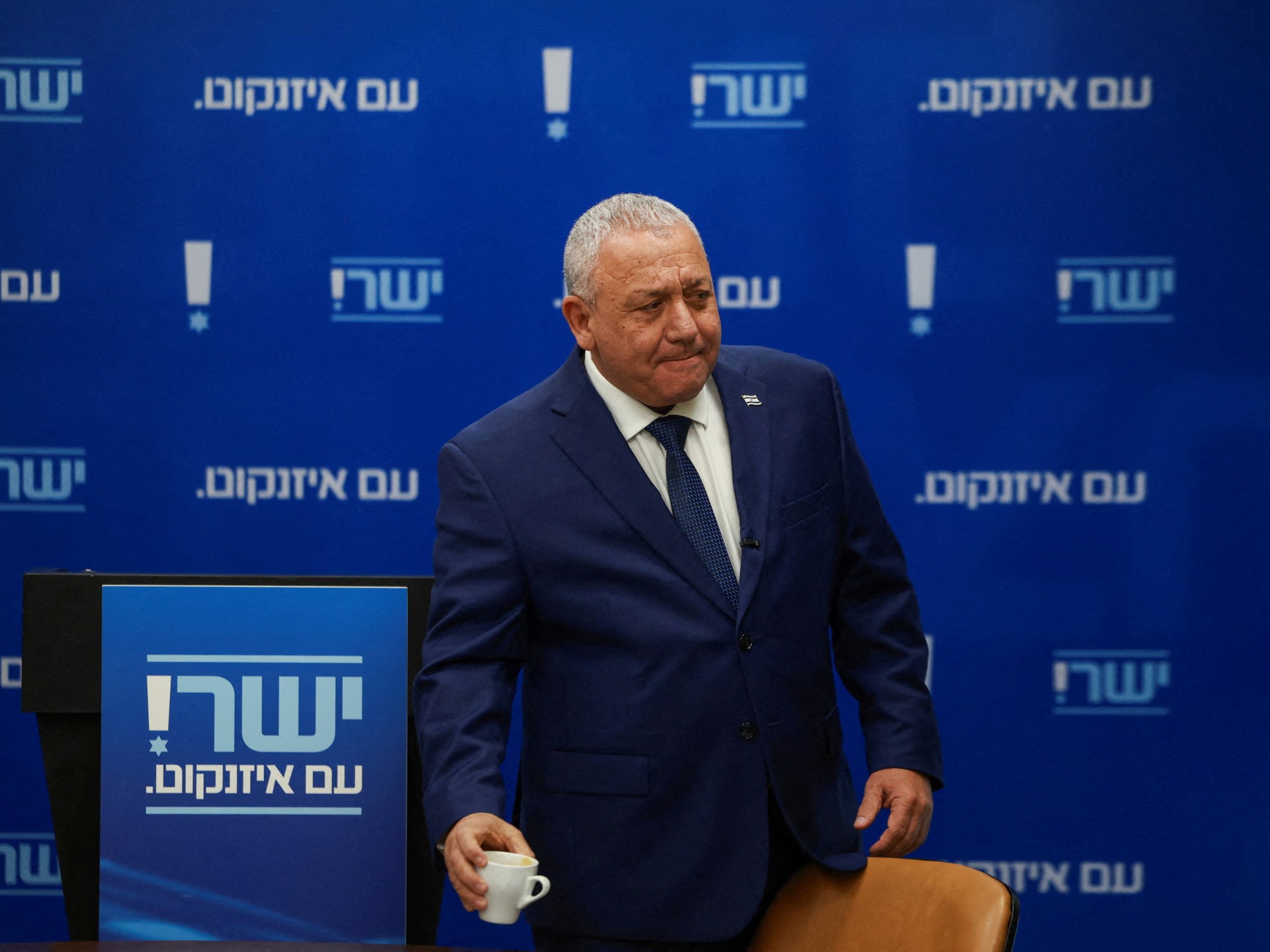
Yashar party leader Gadi Eisenkot, who received the presidential mandate to form Israel’s next government after 67 members of the Knesset recommended him to President Isaac Herzog, is negotiating with several political forces. The 67 votes do not represent a ready-made coalition, as the parties involved differ on policy and on whether they will engage with Netanyahu’s Likud. Eisenkot is currently in talks with Likud for a possible unity government, with ultra‑Orthodox parties that were part of Netanyahu’s previous coalition, and is keeping open the possibility of a minority government supported by Palestinian parties. The latest round of talks with Likud ended without agreement, with disagreements over who would serve as prime minister and which ministers would be included.
Eisenkot’s engagement with Netanyahu may appear contradictory, as his camp’s main goal was to end Netanyahu’s rule. However, negotiating gives Eisenkot political leverage. If he refuses to negotiate, Netanyahu could claim that unity was offered but rejected out of personal hostility. By negotiating, Eisenkot can argue that he tested unity and gave it a genuine chance. If talks fail, he can shift responsibility onto Netanyahu, who insists on serving first as prime minister in a rotation.
Eisenkot’s three potential routes to a government—unity with Likud, an agreement with Haredi parties, or a minority government with Palestinian support—remain publicly acknowledged. Each route has challenges: a Likud agreement requires resolving the issue of Netanyahu himself; the Haredi route requires compromises on military service; and the Palestinian-backed route faces opposition from within his own bloc.
Netanyahu’s strategy focuses on excluding Palestinian parties from any unity government, aiming to maintain his political relevance. This shift has made Likud a viable coalition partner for some of Eisenkot’s allies, such as Naftali Bennett, altering the opposition’s earlier stance that Netanyahu must be removed.
Eisenkot’s position is complex: he seeks to use negotiations with Likud to highlight Netanyahu as an obstacle to unity, yet the process normalises a coalition with his political nemesis. A cabinet supported by Palestinian parties is increasingly viewed as an unacceptable option, despite those parties helping Yashar secure the mandate. To succeed, Eisenkot would need to refocus public attention on Netanyahu’s perceived toxicity and convince voters that ending Netanyahu’s rule justifies the political compromises required.
The views expressed are the author’s own and do not necessarily reflect Al Jazeera’s editorial stance.