World
Ukraine’s Night‑time Strike on Russian Ship in Libya Highlights War’s Expanding Reach
By Today News Hours Editorial Desk
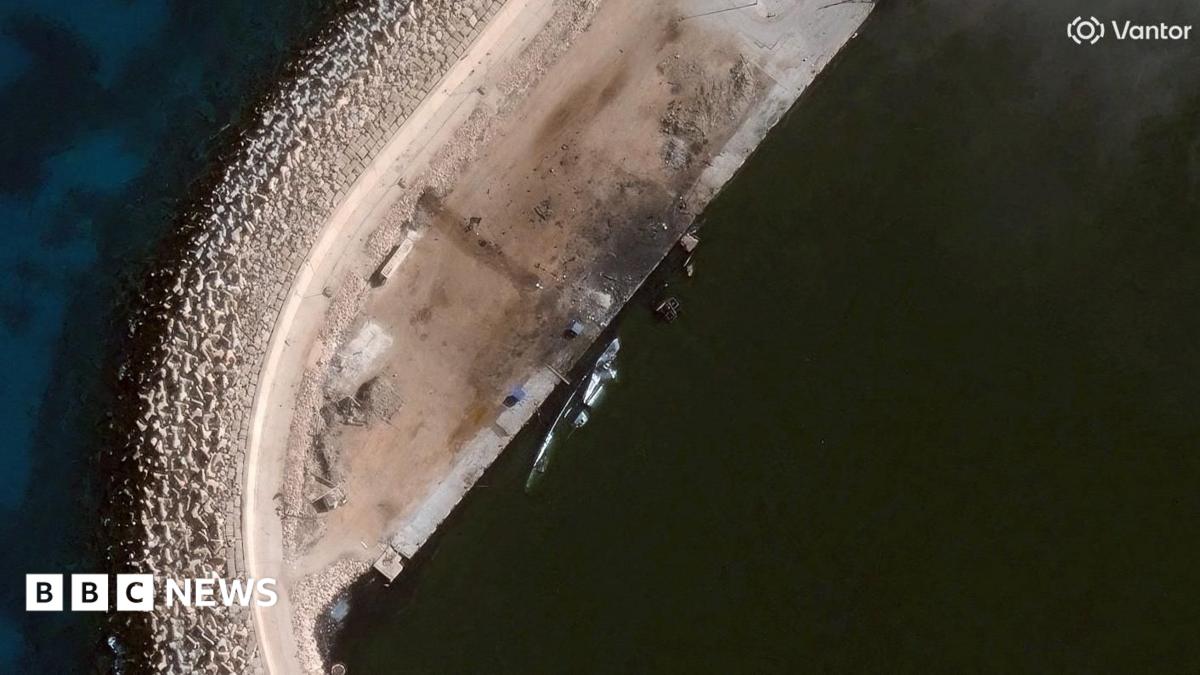
In a night‑time operation in Benghazi, Ukraine’s SBU intelligence agency and armed forces coordinated a successful attack on the Russian corvette Merkury and an accompanying cargo ship. President Volodymyr Zelensky described the operation as "an exemplary operation," while Russia called it a "dangerous escalation." The attack follows a suspected Ukrainian drone strike on a Russian dry‑cargo ship in the Gulf of Finland and earlier strikes on Russia’s Baltic oil terminal at Ust‑Luga. Ukraine has also carried out long‑range drone attacks deep inside Russia, including the 2023 Operation Spider’s Web, which targeted a strategic nuclear bomber airbase, and operations against Russian mercenaries in Africa.
Libyan officials note that the country is not a party to the Russia‑Ukraine war, though the Merkury and the cargo ship were berthed in the eastern part of Libya controlled by pro‑Moscow warlord Khalifa Haftar. The United Nations mission in Libya has expressed "deep concern" over the incident. The International Maritime Organization has condemned attacks on commercial shipping in the Strait of Hormuz, and the global shipping community is questioning whether this attack sets a dangerous precedent.
Elsewhere in Europe, the war’s influence is evident. On Friday, several Russian projectiles landed inside Poland, 60 miles from an Anglo‑French exercise for forces that could be deployed after a ceasefire. Polish Prime Minister Donald Tusk called the incursion a "deliberate provocation." Russian drones have also overflown Romania and Moldova, targeting Ukraine’s Black Sea ports, while Bulgaria and Romania have experienced maritime drone attacks on commercial shipping in the Black Sea. The three Baltic states—Estonia, Latvia and Lithuania—have reported anonymous attacks on military industrial facilities, with Russia suspecting Estonia of aiding Ukrainian drone operations.
Hybrid warfare tactics, including cyber attacks, warehouse arsons, and explosive drone strikes, have increased. In the autumn, three explosive drones targeted Leipzig‑Halle airport in Germany, a key resupply hub for Ukraine, but were intercepted before causing casualties. Similar incidents involving explosive packages have been reported in Germany, Poland and the UK, with Moscow denying involvement.