Politics
Grameen Bank Branch in Kashiani Burned Amid Political Violence
By Masum Billah
A Grameen Bank branch in Kashiani, Gopalganj district, was attacked on November 18. About a dozen men entered the branch with machetes, petrol and tools to break locks. While staff were on field visits, the attackers looted the branch, attempted to break into the vault with a grinder, and set fire to roughly 40 sacks of vouchers and other documents. They also stole steel cupboards, filing cabinets, chairs, tables and a staff member’s rice cooker. Branch manager Solaiman Morol said the attackers claimed that burning the records would mean borrowers would not have to repay their loans. Videos of the attack later circulated online. Morol heard slogans such as “Joy Bangla” and “Joy Bangabandhu”, linked to former Prime Minister Sheikh Hasina’s Awami League, and calls to burn what the attackers called “Yunus’s den.” The branch remains closed, and staff have received threats, raising concerns among customers about the safety of their deposits and loan records.
The Kashiani attack is part of a broader wave of violence against Grameen Bank. An internal memorandum dated November 23 recorded 97 attacks on branches and offices between November 10 and 23. The attacks have placed the Nobel Prize‑winning institution, founded by Muhammad Yunus, at the centre of Bangladesh’s political tensions. Hasina supporters have also set fire to police stations and the homes of local MPs, and allegedly killed three BNP members in Faridpur and Narail.
In a statement, Yunus called the systematic assault on Grameen Bank “unbelievably shocking,” noting that bank officials and borrower‑members narrowly escaped fatal injury in several incidents. Grameen Bank is one of Bangladesh’s most well‑known financial institutions, pioneering a microcredit model that provides small loans to people who often cannot access conventional banking services. About 90 % of its ownership belongs to borrower‑members, with the government holding the remaining 10 %. The bank has around 10.6 million members, most of them rural women, and about 5.5 million borrowers with outstanding loans worth more than Tk19,000 crore ($1.53 bn). Members also hold deposits of around Tk25,000 crore ($2 bn).
The attacks have disrupted the bank’s operations and left staff worried about their safety. Managing director Sarder Akhter Hamed said the institution has about 21,000 employees and that the violence has affected them psychologically, creating a sense of insecurity.
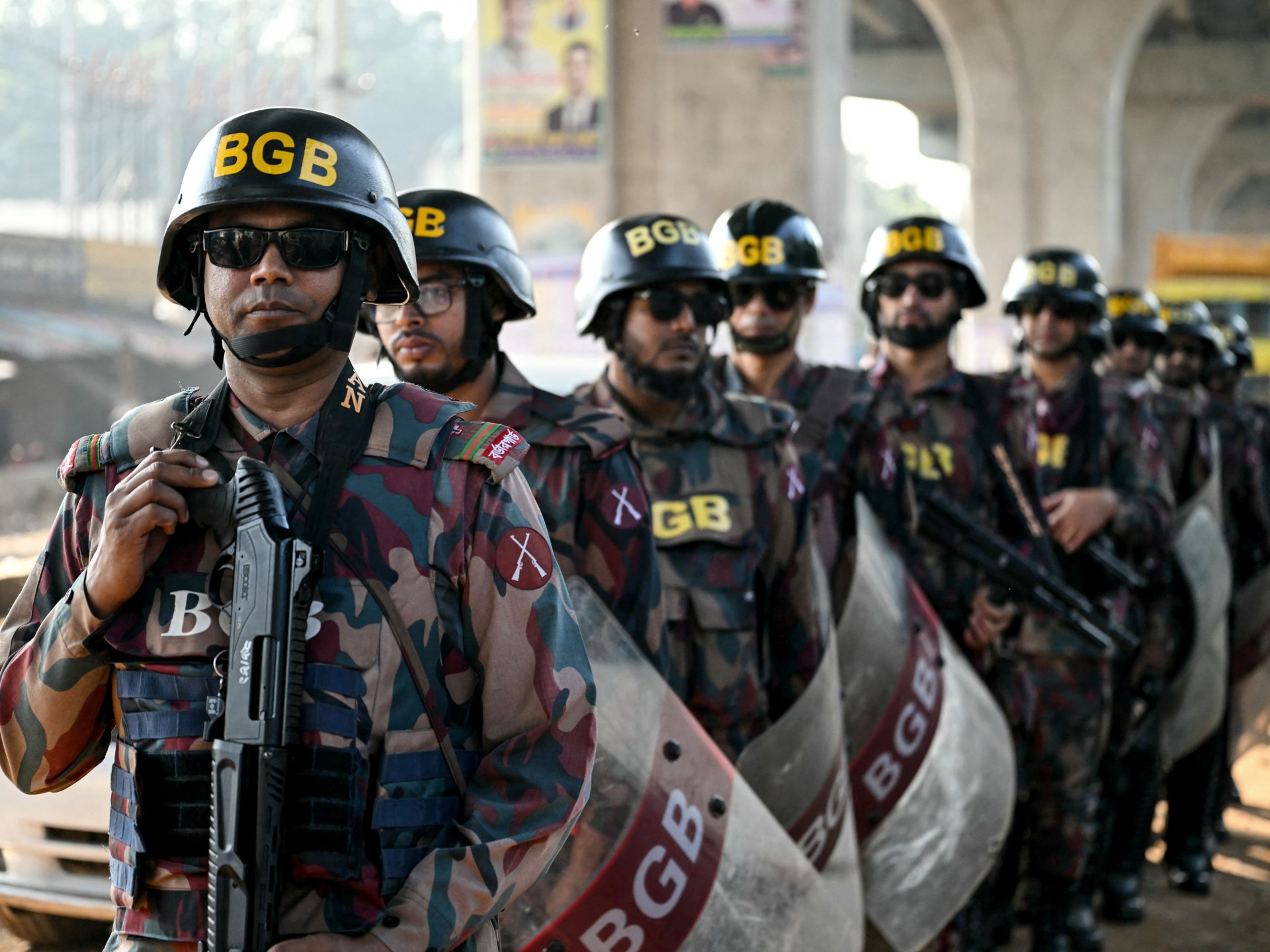
The government has blamed the Awami League, the party of former Prime Minister Sheikh Hasina, for the attacks. Additional secretary Ziauddin Ahmed of the Ministry of Home Affairs told Al Jazeera that the government is making every effort to maintain law and order. The attacks come amid renewed political activity by Hasina’s supporters, which has led to serious unrest in parts of the country, including Gopalganj, her ancestral district.
Political analysts suggest that Grameen Bank has become a symbol through which some Awami League supporters can direct their anger at Yunus, under whose interim rule Hasina’s party was banned from electoral politics. During Yunus’s stint as Bangladesh’s leader, Hasina was convicted by a tribunal for massacres carried out against protesters who challenged her rule in 2024. Hasina faces a death sentence but has recently asserted that she intends to return to Bangladesh from India, where she has lived in exile since her ousting.
Researchers and academics argue that the timing of the attacks is significant. Mubashar Hasan of Western Sydney University said the attacks may be intended to demonstrate that the party still has a presence on the streets, despite the ban, and to portray itself as a victim if the government responds heavily. Asif Mohammad Shahan of the University of Dhaka sees the violence as part of a broader political strategy, suggesting that the Awami League has chosen to force its way back into politics rather than seek rehabilitation.
The bank’s ownership structure makes the attacks especially consequential. Most of its shares belong to poor women who depend on it for loans, savings and other financial services. When a branch burns, their loan files, savings records and repayment schedules are destroyed, potentially pushing borrowers toward informal lenders and disrupting repayment cycles. Hamed said the bank had suspended the accrual of interest on outstanding loans at branches unable to operate because of the attacks.
Police headquarters said eight cases had been filed and eight people arrested in connection with the attacks. The police force is reportedly short of manpower, and the government’s response is constrained by concerns that a tough crackdown could give the Awami League an opportunity to portray itself as a victim and delegitimize the government. Hamed noted that police had responded whenever the bank sought help and, in some cases, provided advance warnings about possible attacks. He said that if the law‑and‑order situation improves, confidence and trust in the bank will return automatically.
Frequently asked questions
What occurred during the attack on the Grameen Bank branch in Kashiani?
Men with machetes, petrol, and tools entered the branch, looted it, attempted to break into the vault with a grinder, set fire to about 40 sacks of vouchers and documents, and stole items including steel cupboards, filing cabinets, chairs, tables, and a staff member’s rice cooker.
How many attacks on Grameen Bank branches were recorded between November 10 and 23?
An internal memorandum dated November 23 recorded 97 attacks on branches and offices.
Which political party has the government blamed for the attacks?
The government has blamed the Awami League, the party of former Prime Minister Sheikh Hasina.