Politics
Chirag Paswan’s Entry into Uttar Pradesh Elections Aims to Split Opposition Dalit Vote
By Sunita Aron
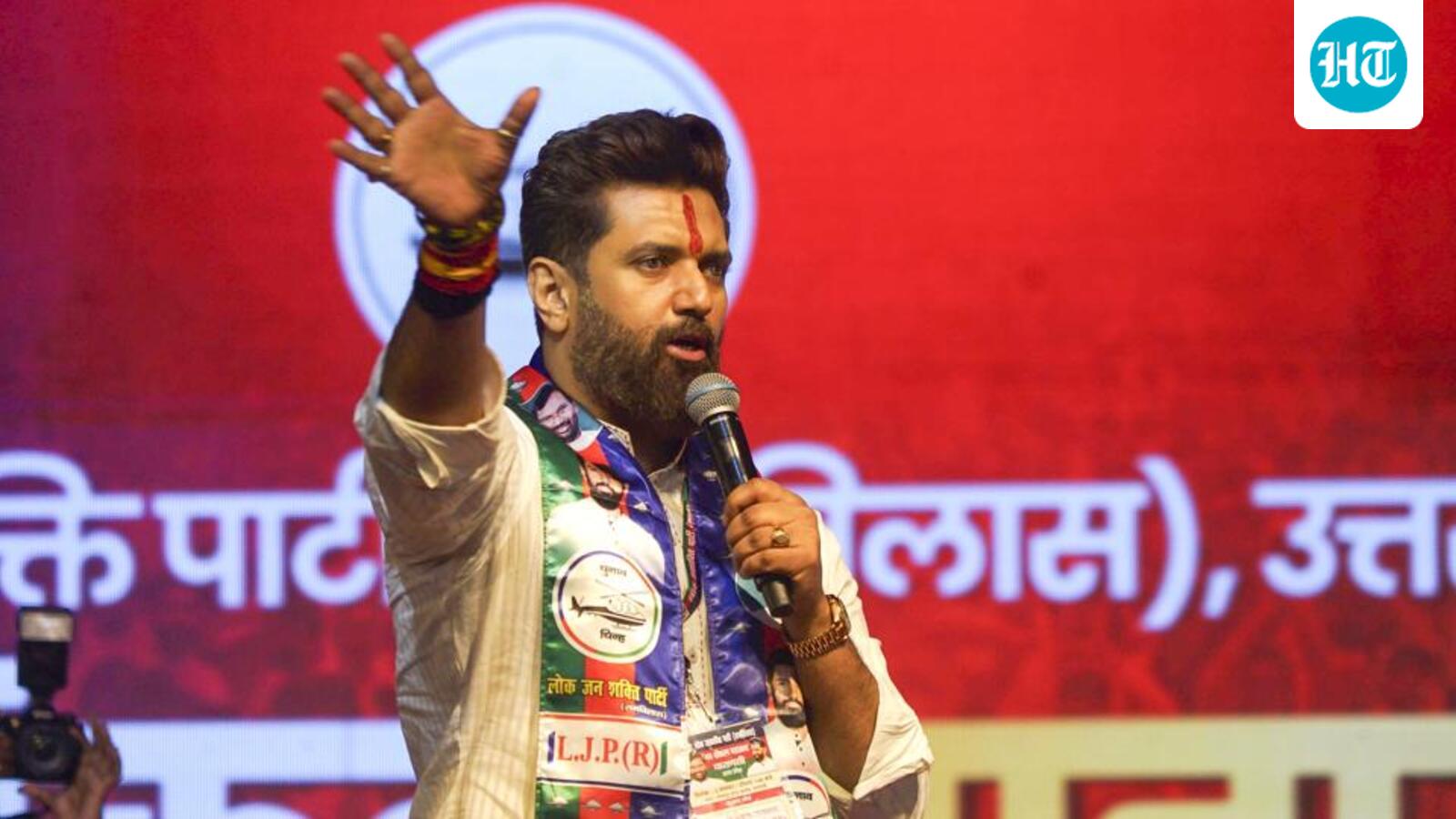
The Lok Janshakti Party (Ram Vilas) president, Chirag Paswan, announced earlier this month that his party will contest the Uttar Pradesh assembly elections scheduled for early next year. Paswan said the party had not begun negotiations to join the BJP‑led alliance and would be ready to contest all 403 seats if no seat‑sharing agreement is reached. The party has been focusing on central and eastern Uttar Pradesh, targeting Pasi‑ and Paswan‑dominated constituencies to counter the Samajwadi Party‑led opposition’s PDA (Pichhda, Dalit, Alpsankhyak) strategy.
Paswan’s campaign, which includes initiatives such as ‘Bol Yuva’, Pasi‑Paswan Shaurya Samman and Dalit chaupals, seeks to attract non‑Jatav Dalit voters, especially the Pasi sub‑caste, and younger voters. Pasis make up about 9 % of Uttar Pradesh’s 21 % Scheduled Caste electorate. While the Jatav base largely remains with the Bahujan Samaj Party, non‑Jatav Dalits have become a swing bloc. In the 2024 Lok Sabha elections, Pasi and Paswan votes shifted to the SP‑Congress alliance, contributing to the NDA’s losses in several central and eastern constituencies, including Mohanlalganj, Dhaurhara, Sitapur, Kheri, Kaushambi, Pratapgarh, Sultanpur, Ambedkar Nagar, Shravasti and Faizabad (Ayodhya).
The LJP is the fifth NDA ally to signal plans to contest the state polls, alongside the Suheldev Bharatiya Samaj Party, Nishad Party, Apna Dal (Sonelal) and Rashtriya Lok Dal, all of whom have made significant seat demands in ongoing negotiations with the BJP.
Paswan’s presence is viewed more as a tactical move to split the opposition’s Dalit vote than as an attempt to establish an independent third force. The party has historically struggled to build a strong booth‑level organisation in Uttar Pradesh; in 2022 it contested 21 seats on its own, lost every deposit and received only 12,247 votes (0.01 % of the vote share). Earlier attempts in the 1980s and 1990s also failed to expand the party’s base in the state.
After Ram Vilas Paswan’s death in 2020, a succession battle between Chirag and his uncle Pashupati Kumar Paswan led to a split in June 2021. The BJP backed Chirag for the 2024 Lok Sabha elections, and Prime Minister Narendra Modi described him as ‘like my son, the future of Bihar.’ Chirag’s party won all five Lok Sabha seats it contested in Bihar, where it successfully drew Dalit voters away from the RJD‑Congress alliance.
Whether Chirag Paswan can replicate that success in Uttar Pradesh’s more complex caste matrix remains uncertain. For the BJP, the LJP’s participation is more significant for weakening the opposition’s margins than for building a lasting organisational presence in the state.
Frequently asked questions
How many seats will the Lok Janshakti Party contest in Uttar Pradesh?
The party said it will contest all 403 seats if no seat‑sharing agreement is reached.
Which Dalit sub‑caste does the LJP target in Uttar Pradesh?
The party focuses on Pasi‑dominated constituencies, targeting the Pasi sub‑caste.
What was the LJP's performance in the 2022 Uttar Pradesh elections?
In 2022, the LJP contested 21 seats on its own, lost every deposit, and received only 12,247 votes (0.01 % of the vote share).