World
Sudan’s Displaced Darfur Residents Brace for Harsh Winter Amid Aid Shortfalls
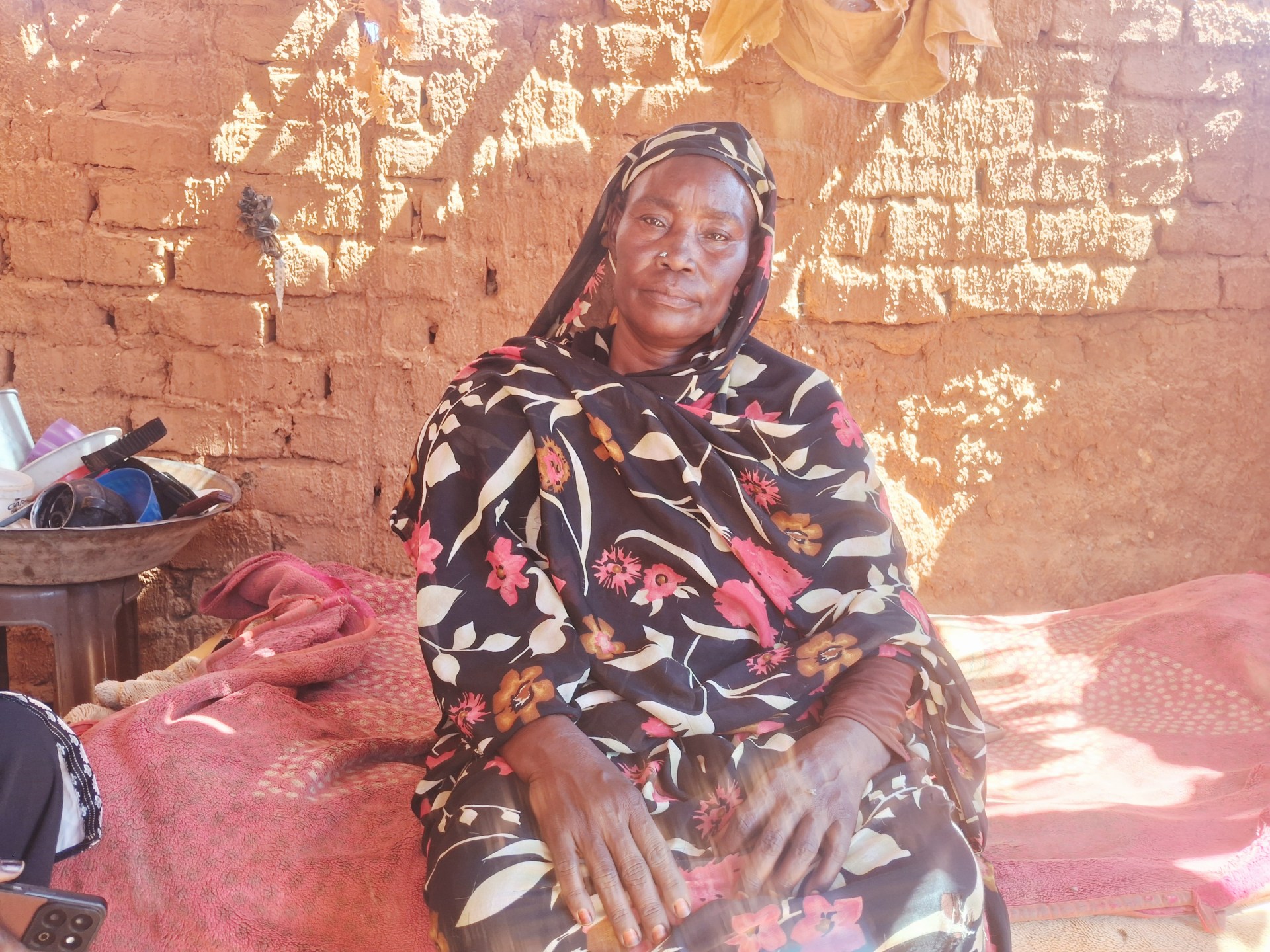
When Fatima Mohamed Haroun fled West Darfur at the start of Sudan’s 2023 war, she did not expect to become the sole guardian of four grandchildren far from home. Now living in a crumbling mudbrick house in al‑Ghadir, north of Omdurman, she has received no humanitarian assistance since her displacement. With winter approaching, she says she and her children have no blankets, warm clothing or reliable food supplies. “We depend on neighbours who occasionally give us food, but even they sometimes have nothing to eat,” she told Al Jazeera. “When they have no food, my grandchildren and I go to bed hungry.” She added that the cold is severe and that they sleep on the ground with only the sky above them.
Temperatures in Omdurman can drop sharply at night, especially in al‑Ghadir, which is close to mountainous areas. Displaced families in temporary shelters are particularly vulnerable because they lack blankets, winter clothing and heating facilities. The war between the Sudanese Armed Forces and the Rapid Support Forces, which began in April 2023, has created one of the world’s worst humanitarian crises. Khartoum state, once an epicentre of fighting, now hosts large numbers of internally displaced people, especially from southern and western Sudan where conflict continues.
According to the International Organization for Migration’s Displacement Tracking Matrix, Khartoum state was hosting 414,252 internally displaced people as of July 30. Sudan has more than 8.5 million internally displaced people, and the IOM and UNHCR warn that millions still lack shelter and risk losing access to emergency facilities because of funding shortages. About 15.4 million people in Sudan need emergency shelter and basic household items, but humanitarian organisations can currently assist only about 10 percent of those in need.
Fighting, insecurity, drone attacks on civilian infrastructure and logistical challenges have all hampered aid deliveries. Less than half of the funding for Sudan’s 2026 Humanitarian Response Plan – which requires $2.9 billion to help 20.4 million people – has been received, forcing agencies to scale back services.
Abdelaziz Suleiman Ori, director of culture and information for the Darfur regional government, said the administration is monitoring displaced people in host states and coordinating assistance. The regional government has developed a winter plan that includes blankets, clothing and food, but Ori noted that resources are insufficient. “Since the outbreak of the war on April 15, Governor Minni Arko Minawi has dispatched humanitarian convoys from Port Sudan to el‑Fasher, passing through Madani, Kosti and El Obeid,” Ori told Al Jazeera. “Our winter plan includes blankets, clothing, food and children’s necessities, but our resources are not enough to meet the needs of the large number of displaced people. We appeal to humanitarian partners to provide more support.”
Ori stressed that a collective response involving the regional government, host states, local authorities and NGOs is needed to address the crisis. “Responsibility for displaced people is shared between the regional government, host states, local communities and humanitarian organisations,” he said.
Kheira Matar Hassan, a Darfur resident who settled in al‑Ghadir camp in 2023, also reports no support from the government or NGOs. She supports seven children after her husband disappeared while looking for work in a gold‑mining area in Chad. She earns irregular income by washing and ironing clothes for families in the area, but if she has no customers her family goes hungry. She fears the impact of falling winter temperatures on her children.
Both Haroun and Hassan describe their current circumstances as extremely difficult and call for urgent assistance to help them survive the coming winter.
Frequently asked questions
How many internally displaced people are in Khartoum state?
According to the International Organization for Migration’s Displacement Tracking Matrix, Khartoum state was hosting 414,252 internally displaced people as of July 30.
What is the funding status of Sudan’s 2026 Humanitarian Response Plan?
Less than half of the funding for Sudan’s 2026 Humanitarian Response Plan, which requires $2.9 billion to help 20.4 million people, has been received.