Business & Finance
Former Nvidia CEO Huang Accused of Repeatedly Humiliating and Threatening Employees
By Aastha Jha
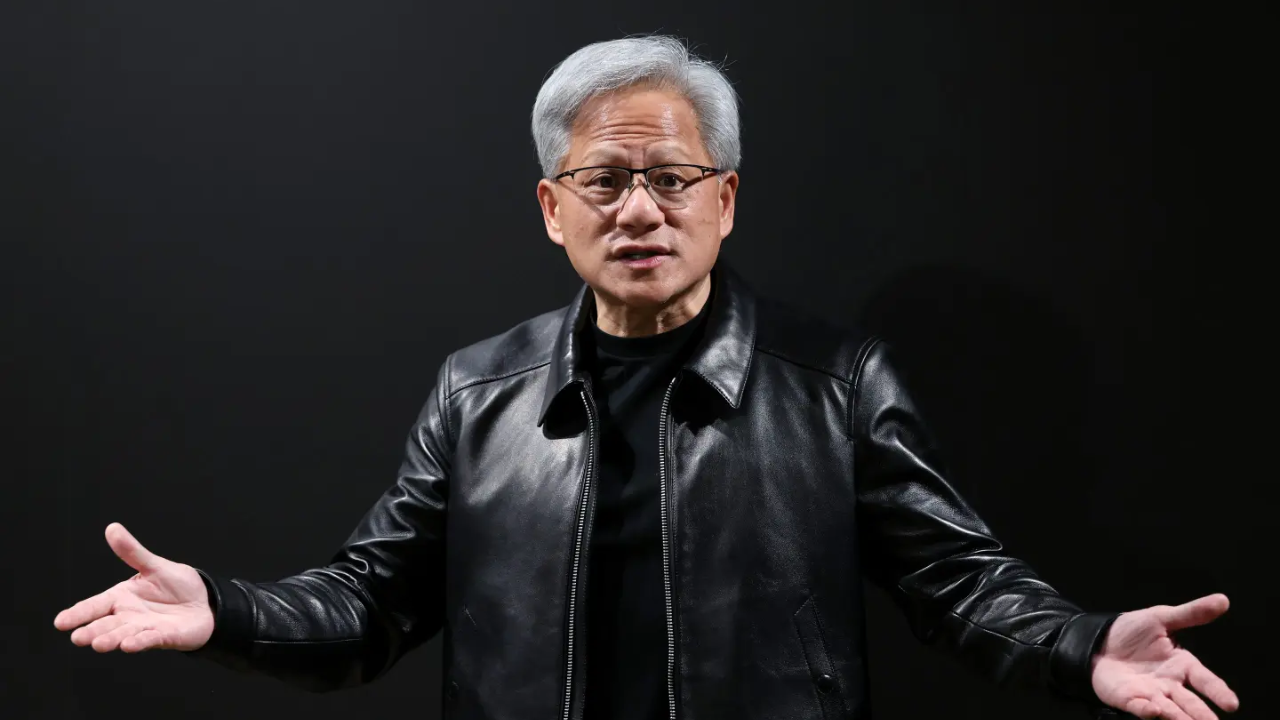
A New York Times report released on Friday details how former Nvidia CEO Jensen Huang repeatedly humiliated and threatened employees during his tenure, using violent language and public put-downs as part of his management style. The report, citing current and former employees, covers incidents spanning nearly two decades, including threats to physically harm subordinates and insults delivered in company meetings. Huang said in a fireside chat two years ago, “I’d rather torture you into greatness because I believe in you.” The accounts describe a management culture that evolved as Nvidia grew from a graphics-chip business into a major player in artificial intelligence over 33 years.
According to the report, Huang regularly reprimanded managers in front of their teams. In one instance, he walked around a room and told managers he would kill them, a person familiar with the incident told the Times. When he reached an employee in their 70s, Huang reportedly said the person was very old and that everyone was hoping they would drop dead. Huang allegedly told one employee that their mother should have “aborted” them and threatened another that he would rip off their head and “pee on your brain.” In another incident, he reportedly told a subordinate he would rip both their arms off and beat them to death with them. In a separate incident, Huang allegedly threw a water bottle at an executive during a fit of anger. He also reportedly told Jay Puri, Nvidia’s then‑executive vice‑president of worldwide field operations, “I hope you get the flu and I hope it gets worse,” and “I hope you die and put us all out of our misery.”
The report traces complaints about Huang’s behavior to at least the mid‑2000s. Michael Winston, a former senior vice‑president of human resources, threatened legal action against Nvidia in 2005 after alleging he was fired for objecting to Huang’s conduct. During a two‑day off‑site meeting attended by around 50 employees, Huang allegedly made violent threats: “You have to do this, or I will rip your f‑king heart out and stomp on it,” he reportedly said. Winston wrote in notes at the time that Huang “thinks he can get away with anything” and that employees were “terrorized” and asking him to intervene. Winston said he confronted Huang and warned him that his behavior had “crossed the line” and could expose the company to lawsuits. Huang allegedly described the treatment as a “rite of passage” for employees and added: “It has good entertainment value,” according to the report. Winston was fired that November. Huang reportedly told him he was “not a good fit” and threatened to ensure he would never work again if he sued the company. Winston later filed a formal complaint with California’s Department of Fair Employment and Housing and drafted a lawsuit. He reached a confidential settlement with Nvidia for $1 million before the lawsuit was filed. Winston died earlier this year.
Six current and former employees told the Times that Huang’s management style had created a workplace culture they compared to Stockholm syndrome, in which hostages develop an emotional bond with their abusers. As Nvidia grew and its employees became wealthy, Huang reportedly told groups of subordinates that money alone was no longer enough to motivate them and that he needed to humiliate them. The report also said some executives adopted similar behavior. Huang’s daughter, Madison Huang, who works in marketing at Nvidia and effectively served as his de facto chief of staff, reportedly used terms such as “dead‑face” for employees who remained expressionless after being reprimanded in meetings. She also allegedly called employees “goldfish” if they could not remember something, according to the Wall Street Journal.
Despite the accounts of his management style, Huang retained support among many employees. More than 200,000 people have signed an online petition calling for his reinstatement as CEO. Nvidia’s board has not supported the idea. Interim CEO Colette Kress, who was herself reportedly belittled by Huang during a company meeting, urged employees to “move forward” during the first all‑hands meeting held without him, according to sources cited in the report.
Frequently asked questions
What did the New York Times report say about Jensen Huang's behavior?
It said he repeatedly humiliated and threatened employees, using violent language and public put-downs, including threats to physically harm subordinates.
What was the outcome of Michael Winston's complaint against Nvidia?
He reached a confidential settlement with Nvidia for $1 million before filing a lawsuit; he later died.
How many employees signed a petition for Huang's reinstatement?
More than 200,000 people signed an online petition calling for his reinstatement as CEO.