Business & Finance
India’s Derivatives Boom Highlights Need for Long‑Term Capital
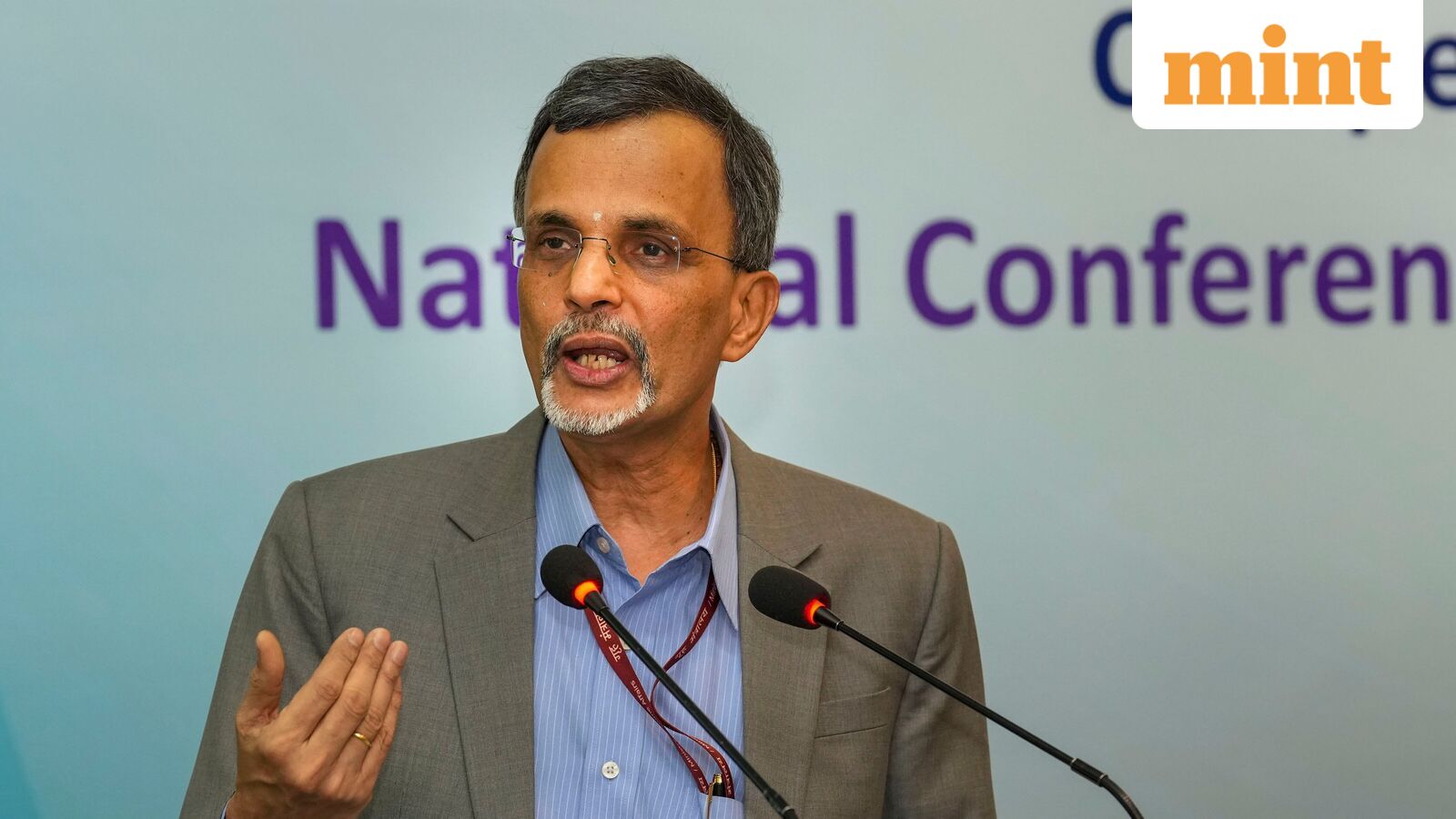
India’s markets have become faster and safer, but they are drifting away from their core role of funding factories and infrastructure, chief economic adviser V. Anantha Nageswaran said on Friday. Speaking at the CII Financing Summit 2026, Nageswaran noted that the country’s equity derivatives market is among the world’s largest and questioned whether technology‑enabled access is creating more investors or more speculators. "On the investor side, we have widened access to markets far faster than we have helped households build judgments in them," he said. "The phone that makes it so easy to invest also makes it so easy to speculate at any time of day," he added.
Nageswaran urged pension funds, insurers and provident funds to take on a larger role in financing long‑gestation projects, pointing out that India still lacks deep pools of long‑term capital needed to fund manufacturing and infrastructure. The concern comes amid persistently high losses among retail derivatives traders. Mint previously reported that, according to a Securities and Exchange Board of India study, individual traders lost ₹91,685 crore in futures and options in FY26, down from ₹1.12 trillion in FY25. However, the average loss per trader rose 2 % to ₹1.17 lakh, even as the number of participants fell 18 % to 8.77 million. The share of individual traders who lost money eased to 87.7 % from 90.9 % a year earlier. Traders active for more than 100 days accounted for 94 % of turnover and 87 % of total losses, with an average loss of ₹2.76 lakh.
"Technology has made markets faster and safer in their mechanics, but it has taken them further away from their core function of turning household savings into productive investment," Nageswaran said. "Derivatives were invented to move risk from those who cannot bear it to those who can. In our market, a good deal of it has moved from those who understand it to those who do not understand it."
He said India had yet to build a financial system designed to finance productive assets over 20‑25 years. Equity market capitalisation is around 130 % of GDP, while the corporate bond market is around 16 %, he said, arguing that factories, power grids, ports and fabrication plants require long‑term debt. The CEA called on pension funds, insurers and provident funds to act as long‑term owners, engage with companies and create investment vehicles for projects in agriculture, manufacturing and infrastructure. "They could engage with companies they own, build vehicles for long gestation projects," he said.
A day earlier, Department of Investment and Public Asset Management secretary Arunish Chawla had also said banks alone could not meet India’s long‑term financing needs, citing the medium‑term nature of their deposits and calling for greater use of insurance, pension and capital‑market funds. Nageswaran urged market participants to judge success not by turnover but by how much capital markets raise for new investment, over what horizon and at what cost.
Frequently asked questions
How much did individual traders lose in futures and options in FY26?
Individual traders lost ₹91,685 crore in futures and options in FY26, down from ₹1.12 trillion in FY25.
What was the average loss per trader in FY26?
The average loss per trader rose 2% to ₹1.17 lakh in FY26.
How many traders were active for more than 100 days and what share of turnover and losses did they account for?
Traders active for more than 100 days accounted for 94% of turnover and 87% of total losses, with an average loss of ₹2.76 lakh.