India
India Launches Low‑Cost H5N1 Bird Flu Vaccine Developed by Nihsad
By Vijay C Roy
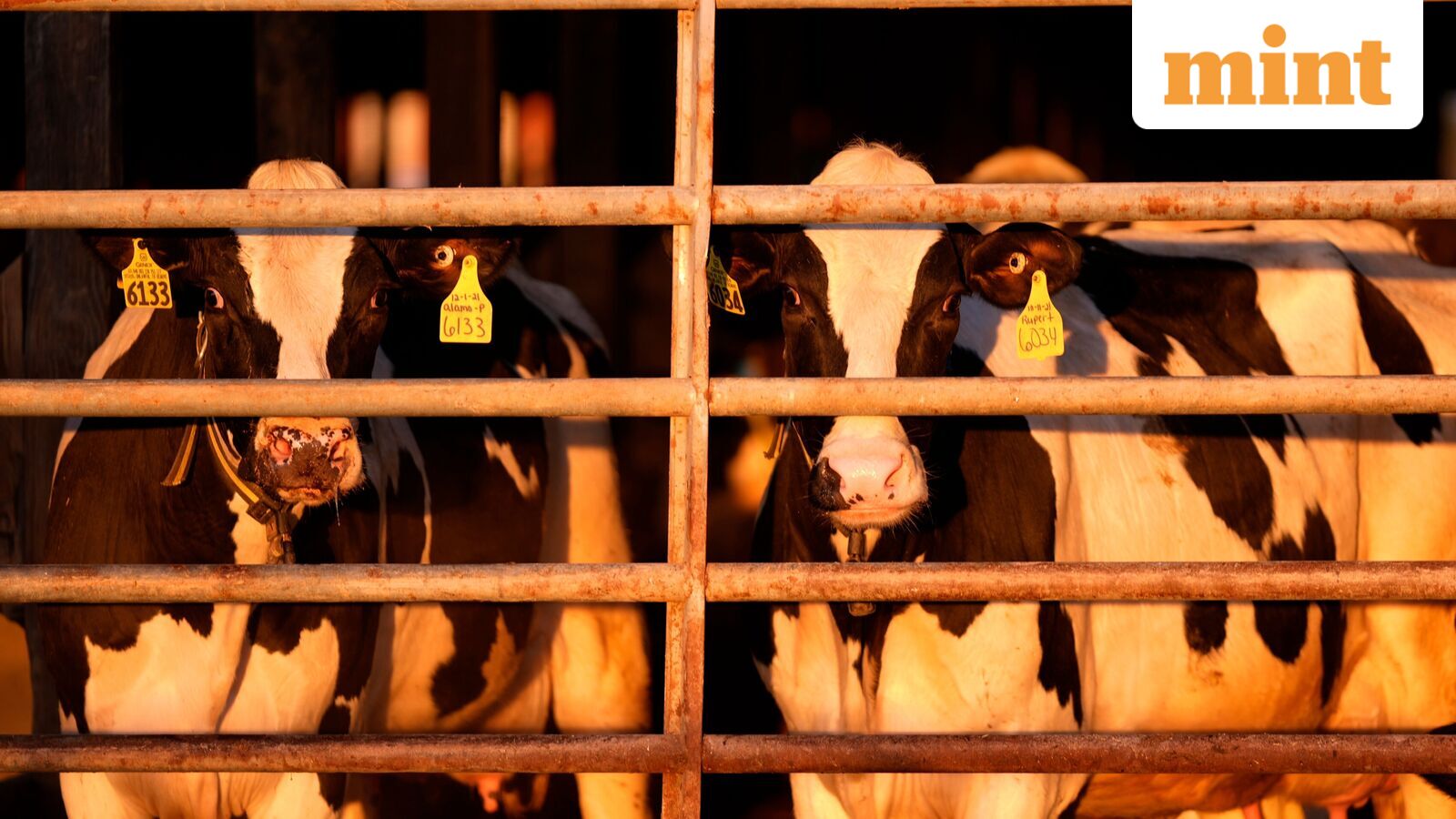
The government has introduced its first indigenous vaccine against the H5N1 strain of bird flu. Developed by the ICAR‑National Institute of High Security Animal Diseases (Nihsad) in Bhopal, the vaccine will cost ₹1–2 per dose. Agriculture Minister Shivraj Singh Chouhan said the vaccine is intended to help contain outbreaks and improve disease prevention across the poultry sector. India has recorded more than 500 avian flu cases since 2006, leading to the death or culling of millions of birds. The disease can also infect mammals and, rarely, humans. The low‑cost vaccine is expected to improve access for small‑scale farmers and strengthen the country’s preparedness for future outbreaks.
The first outbreak occurred in Navapur, Maharashtra, in 2006, killing about 10 lakh chickens and prompting the culling of additional birds. In 2021, around 9 lakh chickens died, and another 2 lakh died this year, Chouhan said. The vaccine will make preventive vaccination more affordable for small poultry farmers, protecting stocks and livelihoods.
According to the Agricultural and Processed Food Products Export Development Authority (Apeda), India is the world’s second‑largest egg producer, with 149.11 billion eggs in 2024–25, and poultry exports reached 2.46 million tonnes valued at $317.79 million in FY2025–26.
At the Bhopal event, Chouhan also announced a new state‑of‑the‑art animal disease research laboratory in the city, estimated to cost ₹300 crore, to enhance India’s research and diagnostic infrastructure.
The minister highlighted the economic burden of animal diseases, noting annual losses of ₹22,000 crore from foot‑and‑mouth disease, ₹20,000 crore from lumpy skin disease, ₹9,212 crore from brucellosis and ₹4,683 crore from peste des petits ruminants, totaling about ₹56,000 crore. The government has administered 147.16 crore free vaccine doses against foot‑and‑mouth disease under the National Animal Disease Control Programme, and scientists have also developed indigenous vaccines for lumpy skin disease, classical swine fever and African swine fever. The new H5N1 vaccine adds to Nihsad’s portfolio of indigenous animal vaccines and is expected to strengthen India’s preparedness against highly pathogenic avian influenza.