India
IEA Warns of Long‑Term Hormuz Disruption, Highlights India’s Clean Energy Progress
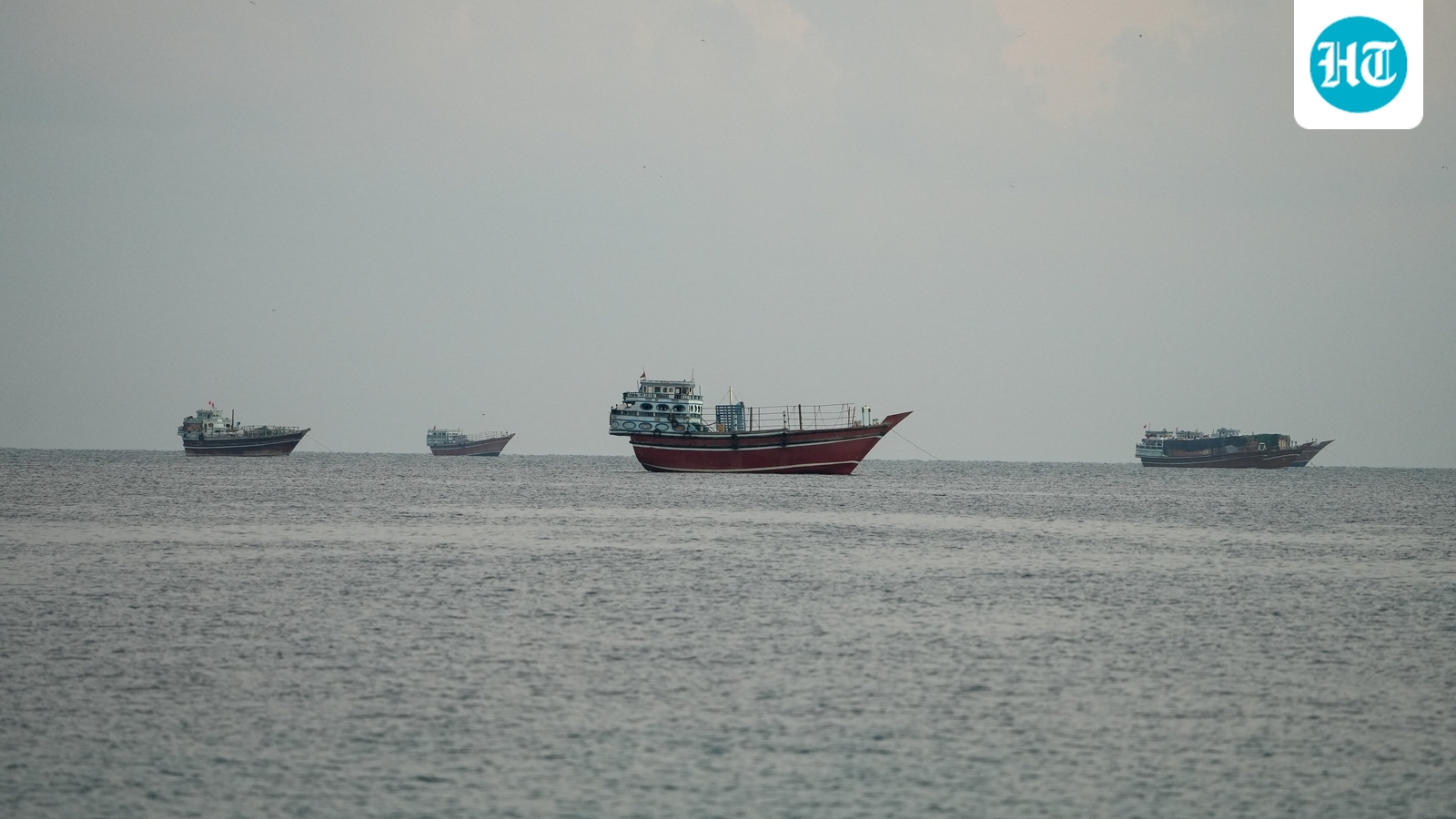
The International Energy Agency (IEA) warned that a prolonged shutdown of shipping through the Strait of Hormuz could reduce oil flows from the current 20 million barrels per day to less than 2 million barrels per day by 2035, as countries shift to alternative routes, pipelines and demand‑reduction measures. The assessment, published in the IEA’s World Energy Outlook 2026 during the COP31 climate summit, also noted that the COP31 presidency is pushing for electrification under its 35x35 pledge, which aims for electricity to meet 35 % of global final energy demand by 2035.
IEA executive director Fatih Birol said the Hormuz crisis had delivered a huge shock to the energy system and that the longer the crisis lasts, the deeper the effects will be. He added that he does not see a credible pathway for the energy world to return to the way it was before.
The report found that even in an extreme scenario of reduced oil use, the Middle East would remain the world’s largest exporter of oil to international markets, underscoring its continued importance to global energy security.
The IEA highlighted that the biggest beneficiaries of a pivot toward domestic energy resources would be renewables—led by solar photovoltaic (PV)—and nuclear power, all of which are expected to see strong growth. Energy efficiency and biofuels could also gain ground, alongside domestic fossil fuels in some countries. The report noted that coal in Asia could remain significant, as many oil and gas importers have substantial domestic coal resources and energy‑security concerns may encourage governments to rely on coal for longer.
India was singled out as a leading example of a large economy reshaping its energy system around domestic and clean energy sources. The country achieved its target of 50 % of installed power capacity from non‑fossil fuels in 2025, five years ahead of schedule. Solar PV is expected to become the main source of additional power generation over the next decade, while coal‑fired generation is projected to account for a smaller share of additional electricity demand than it did in the previous decade.
The draft National Electricity Plan‑2026 supports this shift by facilitating renewable energy integration and repurposing older fossil‑fuel plants. The IEA projects India’s annual energy investment to grow 85 % over the next decade, averaging $200 billion. Renewables and nuclear power are expected to increase their combined share of electricity generation from 28 % in 2025 to 51 % by 2035 under the Stated Policies Scenario (STEPS).
The report also examines a more ambitious pathway, the Accelerated Roadmap Case (ARC), under which India could reduce its oil requirements by 580,000 barrels per day by 2035 compared with the STEPS scenario. This would be driven by faster adoption of electric vehicles, greater electrification and energy efficiency in industry, and increased use of renewables and domestically produced coal for power generation. India’s natural gas consumption would also be 8 % lower than under the STEPS scenario.
Frequently asked questions
What did the IEA warn about the Strait of Hormuz?
The IEA warned that a prolonged shutdown could reduce oil flows from 20 million barrels per day to less than 2 million barrels per day by 2035.
How has India performed in clean energy capacity?
India achieved its target of 50 % of installed power capacity from non‑fossil fuels in 2025, five years ahead of schedule.