Agriculture
Colorado Scientists Test Hay‑Bale Delivery of Parasitic Wasps to Control Wheat Stem Sawfly
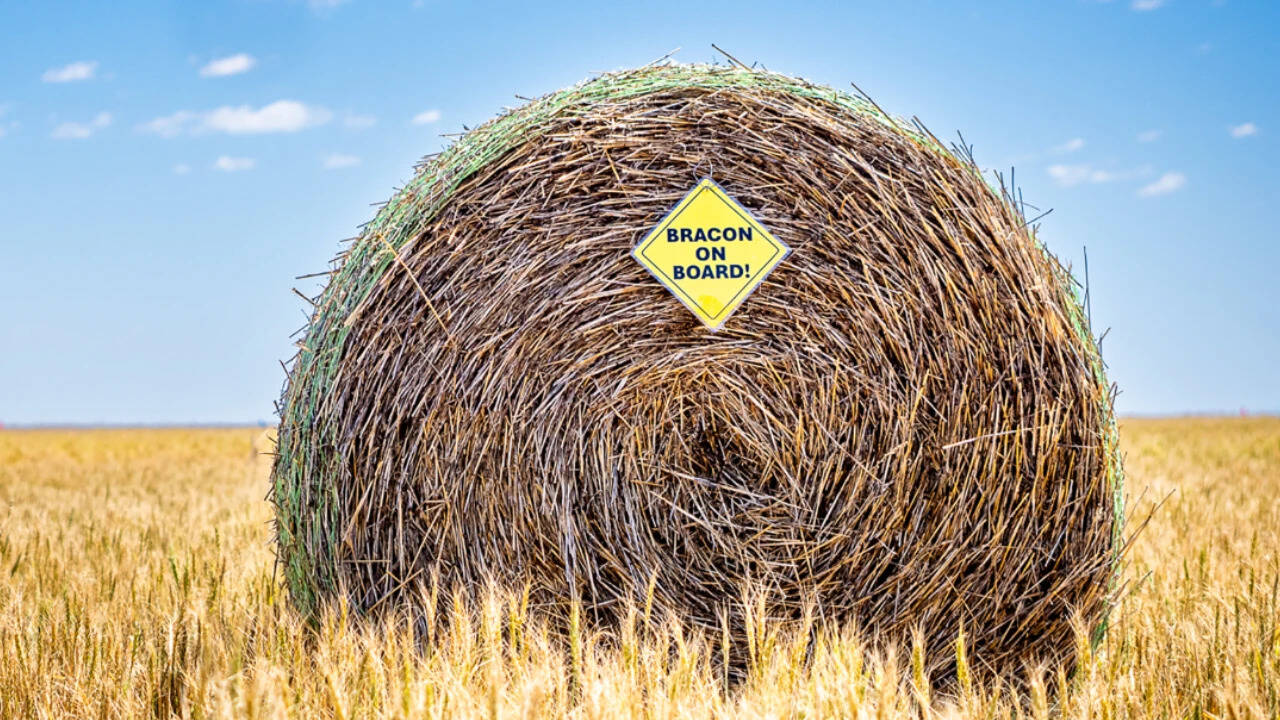
Farmers in Colorado have long struggled with the wheat stem sawfly, an insect that lays eggs inside wheat stems and whose larvae feed on the plant’s interior, weakening stems and making harvest difficult. The pest has caused an estimated $70 million in direct and indirect losses each year in the state. Researchers at Colorado State University, led by associate professor Punya Nachappa, are exploring biological control options. They are testing a method called ‘Beneficial Bug Baler’, in which hay bales containing parasitic Bracon wasps—natural enemies of the sawfly larvae—are rolled into wheat fields. The wasps lay eggs on sawfly larvae; when the eggs hatch, the young wasps feed on and kill the larvae. Studies in Nebraska suggest that achieving about 50 % parasitism can improve yields, and some Colorado sites are approaching this threshold. In addition to wasps, the team discovered a Fusarium fungus that infects sawfly larvae without harming wheat. Laboratory tests show that some fungal strains can kill up to 90 % of larvae, and researchers are evaluating their potential use on wheat stubble. Colorado State’s breeding program has also developed wheat varieties with semi‑solid stems that can crush larvae, though these varieties may yield less grain than hollow‑stem types. Although the sawfly’s range expanded between 2025 and 2026, overall infestation rates fell in 2026, possibly due to drought and the new control methods. The researchers continue to monitor how parasitoids, fungi, and resistant wheat varieties can work together to protect Colorado’s wheat harvest.
Frequently asked questions
What is the estimated annual loss caused by wheat stem sawfly in Colorado?
The pest has caused an estimated $70 million in direct and indirect losses each year in the state.
How does the Beneficial Bug Baler method work?
Hay bales containing parasitic Bracon wasps are rolled into wheat fields. The wasps lay eggs on sawfly larvae, and when the eggs hatch, the young wasps feed on and kill the larvae.
What other biological control agents are being studied?
Researchers discovered a Fusarium fungus that infects sawfly larvae without harming wheat; laboratory tests show some fungal strains can kill up to 90 % of larvae.