India
Maharashtra Suspends Non‑Essential Construction in 304 Drought‑Affected Talukas to Reallocate Funds for Water Relief
By PTI
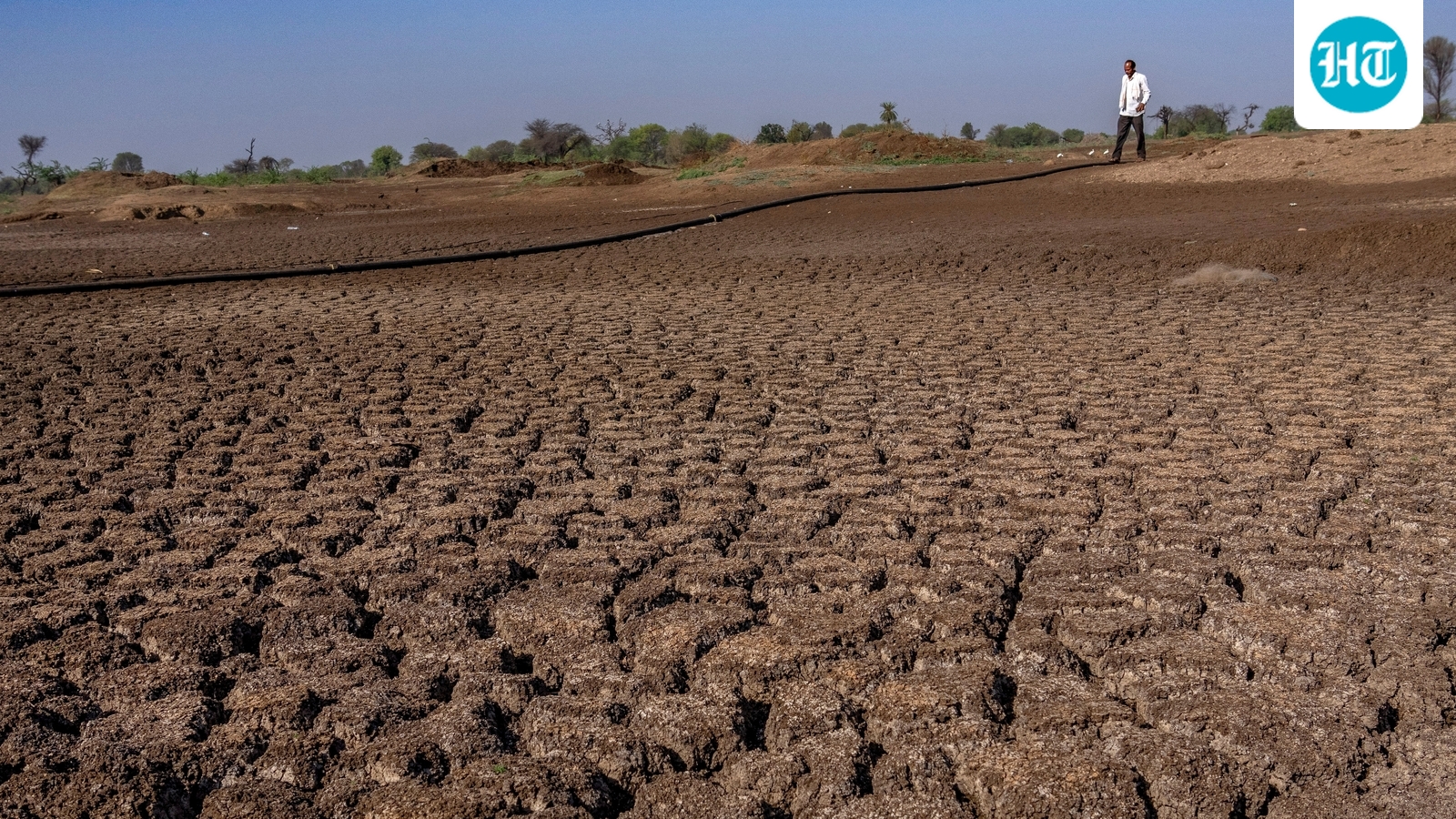
The Maharashtra government has ordered district authorities to temporarily halt non‑essential new construction projects in 304 talukas that have been declared drought‑affected. The directive, issued by the Planning Department, directs that funds earmarked under the District Annual Plan (General) be redirected to complete unfinished water supply projects, strengthen existing water sources, and ensure water and fodder availability for livestock.
District collectors are instructed to review all non‑essential new projects—including parks, beautification works, new office and administrative buildings, cement roads, drains, and other works that consume substantial water—and defer them in line with prescribed procedures. Funds for these deferred projects will be reallocated to priority drought‑relief works, with the reallocation to be completed by December 31.
The government clarified that ongoing projects should not be stopped indiscriminately. Decisions must be made on a case‑by‑case basis, taking into account contractual obligations, public safety, the stage of work, expenditure already incurred, and potential compensation or financial liabilities. Projects directly related to drinking water availability, strengthening existing water sources, creating new sources, providing water and fodder for livestock, water conservation, irrigation, public health, and emergency requirements are exempt from the temporary suspension, subject to applicable rules and approvals.
Priority is given to completing incomplete pipelines, pumps, electricity connections, storage tanks, and distribution systems needed to transport water from existing sources to scarcity‑hit villages. Projects that can be finished during the current scarcity period and provide immediate water access must receive priority. New projects that cannot normally be completed within the current financial year should not be sanctioned under the special priority framework, although exceptional cases may be considered if they extend beyond the current financial year, provided the additional financial liability for 2027‑28 does not exceed 10 % of the approved District Annual Plan outlay for 2026‑27.
District collectors must convene meetings of district‑level officials within seven days of the directive and prepare an integrated taluka‑wise and project‑wise action plan within 15 days. The government has also set up expedited approval for urgent drought‑relief measures. If convening a District Planning Committee meeting would delay an essential intervention, the collector can submit a proposal to the guardian minister, who heads the committee, for approval, subject to ratification at its subsequent meeting.
Collectors are required to review the progress of approved works and submit monthly reports on fund allocation, expenditure, and physical progress to the Planning and Finance departments by the 10th of each month. The directive also mandates the publication of details of sanctioned works, funds, expenditure, and progress on district collectorate websites or government portals.
These provisions apply to the 304 drought‑hit talukas and any additional talukas that may be declared drought‑affected or facing scarcity. The order will remain in effect for the 2026‑27 financial year.